 Follow Us on Google News


 Follow Us on Google Discover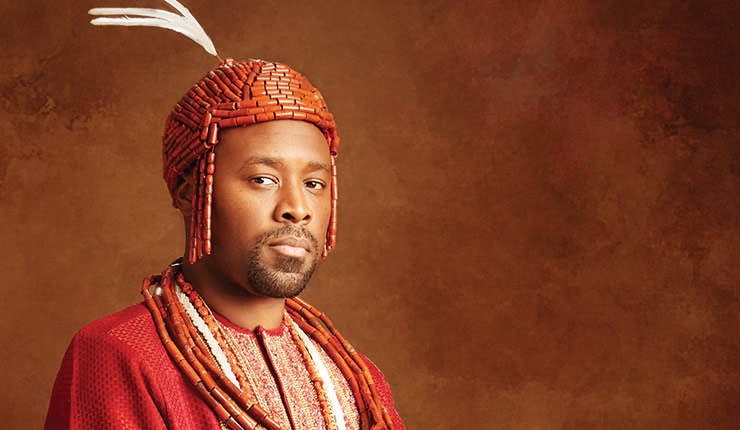
The Olu of Warri, Ogiame Atuwatse III, has issued a strong warning to Chevron and other oil companies operating in Itsekiriland, saying peace without justice is no longer sustainable after more than six decades of oil production that has left host communities poor and neglected.
The monarch spoke after touring several riverine Itsekiri communities in Warri North Local Government Area of Delta State, amid renewed protests against Chevron’s operations.
His remarks directly addressed oil companies, government authorities, and internal actors within Itsekiriland, whom he accused of betraying the people’s collective interest.
According to the Olu, the Itsekiri people have endured years of patience while oil extracted from their land generated vast wealth for Nigeria and multinational companies. He said figures and production records no longer mattered to the communities because they did not reflect the reality on the ground.
“For over 60 years, oil has flowed from our land, yet our people remain poor, discouraged, and tired,” he said. “This did not happen by accident. It is the result of weak regulation, divide-and-rule tactics by oil companies, a culture that tolerates oppression, and internal compromise by a few among our own people.”
Addressing Chevron directly, from its local operations to its headquarters in Houston, the Olu said the company must not mistake the peaceful nature of the Itsekiri people for weakness.

He noted that Chevron chose to remain onshore while other companies moved offshore to avoid community accountability, a decision he said came with responsibility.
“Before your arrival as Gulf Oil, our people lived better lives than they do today,” he said. “Peaceful people can become desperate people when decades of evidence show they do not matter. Oil companies in the Niger Delta have often responded faster to threats than to dialogue, and that is most unfortunate.”
The monarch stressed that while he continued to preach peace, it was becoming increasingly difficult to ask communities to remain calm in the face of injustice. He warned that the palace would no longer stand by while people suffered poverty in the midst of abundant natural wealth.
The Olu also named other operators, including Renaissance (Shell’s successor), Seplat, Heritage, Conoil, Neconde/Nestoil, ND Western, Elcrest, Platform Petroleum and Sahara Energy, urging them not to repeat what he described as the failures of the past.
A major part of the monarch’s message focused on internal betrayal within Itsekiriland. He accused some self-styled leaders of trading the destiny of the people for personal gain, acting as middlemen who profit while communities remain divided and underdeveloped.
“No external actor can undermine us unless someone inside unlocks the door,” he said. “This is not hatred. It is a call to repentance.”
While criticising oil companies, the Olu acknowledged ongoing infrastructure projects by the Delta State Government and praised President Bola Ahmed Tinubu for giving the Itsekiri people a “listening ear”. He said nation-building must begin at the grassroots and called for stronger protection of host communities.
He also welcomed the Petroleum Industry Act (PIA), describing it as a “living document”, and appealed to regulators, oil companies and community stakeholders to prioritise real development rather than token gestures.
The monarch outlined clear priorities for oil-producing Itsekiri communities. These include electricity and digital connectivity, clean water, healthcare, education, better access roads, employment for local youths and environmental protection.
He emphasised that locals should not be treated as “window dressing or a necessary evil” and insisted that oil companies could do much better in providing gainful employment for host community youths.
“For sixty years, hundreds of billions of dollars have flowed from these swamps, with almost nothing to show for it in these same swamps,” he said. “That chapter is closed.”
Citing Ogidigben as an example, the Olu recalled how a promise of electricity made by Shell in 1990 took more than three decades to materialise, only after direct intervention by the palace. He said such delays would no longer be tolerated.
The Olu declared that the palace would now actively stand with all oil-bearing Itsekiri communities to demand development, partnership and justice.

