 Follow Us on Google News
 Follow Us on Google Discover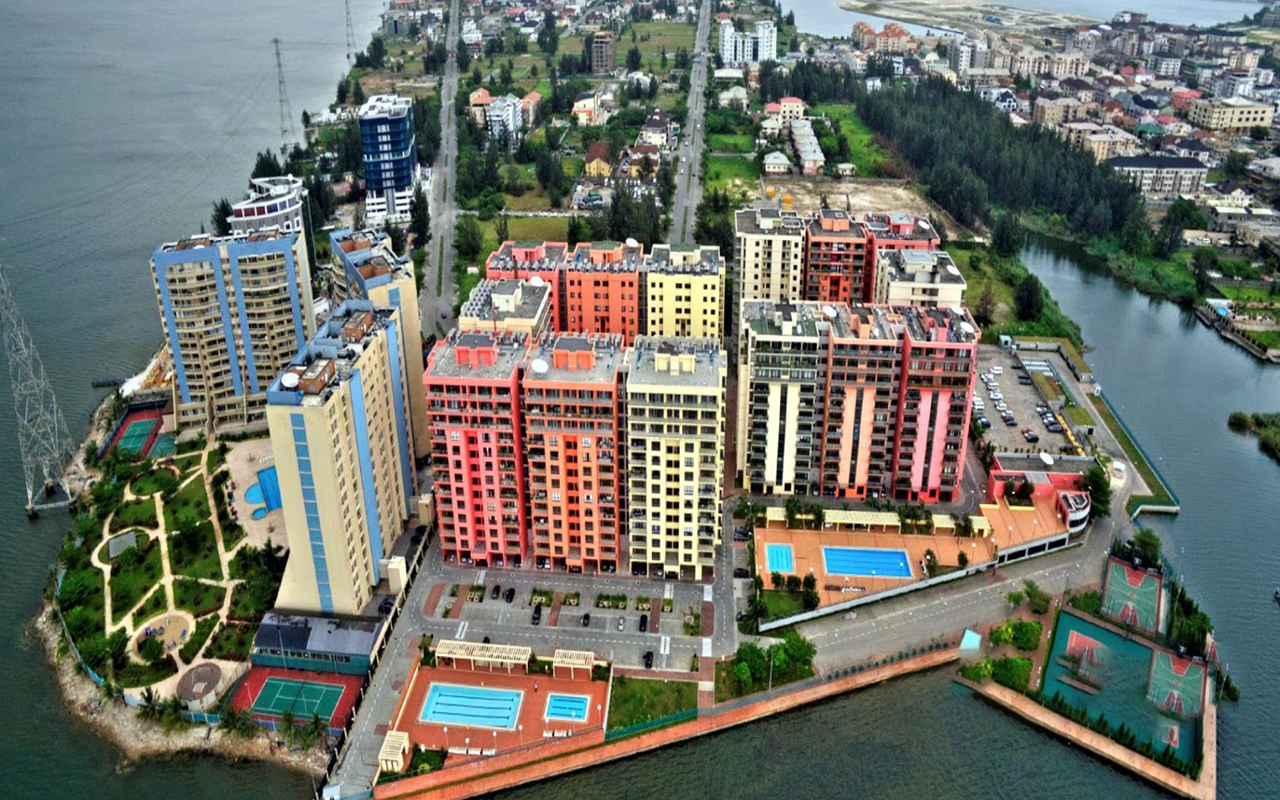
Industry consensus suggests that Nigeria’s luxury residential market will continue to grow steadily in 2026, supported by wealth concentration, diaspora inflows, evolving lifestyle preferences and limited prime supply. However, high construction costs, funding and limited mortgage options still portend constraints to supply pipelines, VICTOR GBONEGUN reports.
Despite persistent macroeconomic headwinds, currency volatility and a widening national housing deficit, Nigeria’s luxury real estate segment is projected to record steady growth in 2026, buoyed by strong diaspora inflows, limited supply of prime assets, and sustained demand from high-net-worth individuals (HNWIs) and expatriate professionals.
Industry players note that while the broader property market continues to struggle with affordability constraints, rising construction costs and weak mortgage penetration, the high-end segment remains relatively insulated. Luxury real estate, they argue, functions less as a consumption-driven asset and more as a store of value, capital hedge and lifestyle investment.
As inflationary pressures ease and the naira remains relatively stable, premium properties continue to attract investors seeking wealth preservation, security, and long-term capital appreciation.
A major pillar of luxury real estate demand remains remittances from Nigerians in the diaspora, estimated at over $20 billion yearly. A significant portion of this inflow is channelled into premium residential developments, particularly in Lagos and Abuja, where buyers prioritise security, prestige and capital preservation.
Many diaspora investors view luxury property in Nigeria as a tangible hedge against global economic uncertainty, rising taxes and tightening housing regulations in Western markets. For them, premium Nigerian real estate offers relatively attractive pricing, strong rental yields and the emotional value of reconnecting with home.

Beyond diaspora capital, demand is sustained by Nigeria’s growing concentration of wealth tied to sectors such as energy, finance, technology, telecommunications and international trade. Expatriates working with multinational corporations, diplomatic missions and international organisations also form a steady segment of high-end buyers and renters.
Lagos continues to dominate Nigeria’s luxury real estate landscape. Established neighbourhoods such as Ikoyi, Victoria Island and Banana Island remain the most sought-after addresses, supported by proximity to commercial hubs, waterfront views and comparatively superior infrastructure.
In these mature luxury nodes, analysts expect moderate but stable price appreciation in 2026, estimated at between five and eight per cent annually. Prices are already elevated, but limited land availability and sustained demand continue to support asset values.
Vertical development has increasingly reshaped Ikoyi’s skyline, with high-rise luxury apartments and mixed-use towers emerging as the dominant typology. Developers are responding to land scarcity by building upwards, targeting affluent buyers who prioritise premium amenities, security and convenience.
Abuja also remains a key luxury market, particularly in Maitama, Asokoro and Wuse II, where demand is driven by political office holders, diplomats, senior public servants and corporate executives.
At the same time, emerging corridors along the Lekki-Epe axis, particularly Ibeju-Lekki and parts of Epe, are attracting growing interest from developers and forward-looking investors, positioning them for medium- to long-term growth.
“These emerging locations offer higher upside potential for luxury developments over the medium term,” said a developer active along the Lekki corridor. “As infrastructure catches up, price growth could eventually outpace older districts.”
Infrastructure, innovation, location as critical factors
Improved road networks, the Lekki Deep Sea Port, the Dangote Refinery and ongoing industrial developments have transformed the corridor into a strategic investment destination, reinforcing confidence in its future value. The definition of luxury housing in Nigeria is undergoing a notable shift. Buyers are increasingly prioritising lifestyle, functionality and long-term efficiency over sheer size.
Smart-home technology, energy-efficient systems, private gyms, recreational spaces, concierge services and professionally managed estates with shared amenities are becoming essential selling points. Integrated security, seamless power supply and water systems are no longer optional but baseline expectations.
Mixed-use developments that combine upscale residences with retail, leisure and office components are gaining traction, reflecting a preference for convenience and integrated living. Waterfront apartments and high-end short-let properties are also attracting investors targeting rental income from corporate tenants and visiting diaspora Nigerians.
Internationally, Nigerian participants in luxury residential investment programmes are increasingly drawn to dollar-denominated returns in tax-efficient environments. Properties ranging from studio apartments priced at about $190,000 to larger units offering annual capital appreciation of eight to 12 per cent and rental yields of nine to 12 per cent continue to appeal to globally mobile investors.
Premium property as inflation hedge
High -net worth buyers increasingly view prime property not merely as a home, but as a strategic hedge. A downturn in one currency or regulatory environment simply redirects capital rather than erasing demand.
Globally, luxury trends now centre on fully furnished, design-led interiors, advanced smart-home systems, energy efficiency, indoor–outdoor flow and minimal renovation risk, expectations that are increasingly shaping Nigeria’s luxury residential offerings.
Market intelligence indicates that in Lagos, Abuja and Port Harcourt, more than 1,000 luxury apartments are currently under construction, with Lagos accounting for the bulk of activity.
Annual rents for mid- to high-end luxury apartments range from N25 million to N180 million for two- and three-bedroom units, depending on location, services and features.
In terms of outright sales, one-bedroom luxury apartments typically sell for between N90 million and N100 million, while two-bedroom units average around N250 million. Three-bedroom duplexes with swimming pools and boys’ quarters often start from N1.5 billion and above.
According to market data, luxury four-bedroom apartments in Lagos and Abuja are projected to cost between N100 million and over N2.2 billion, influenced by rising material costs, new tax obligations, title registration fees and other development charges.
Industry experts believe the luxury property market will be shaped by ongoing tax reforms, land administration changes and an increased emphasis on transparency. While some reforms may raise costs in the short term, analysts say they could ultimately boost investor confidence by reducing uncertainty, strengthening title security and improving regulatory oversight.
Macroeconomic pressures such as inflation, foreign exchange volatility and high construction costs are expected to persist, influencing pricing and investment decisions. Nevertheless, demand from HNWIs, expatriates and diaspora investors remains strong, particularly in well-located developments offering stable rental or short-let prospects.
Sustainability and innovation are increasingly central to buyer decision-making, with greater attention to energy efficiency, long-term running costs, environmental impact and architectural integrity. Locations less vulnerable to climate risks but offering natural appeal are also gaining prominence.
Challenges to market outlook
The outlook is not without challenges. High construction costs driven by imported materials, exchange-rate volatility and energy prices continue to squeeze developers’ margins and slow project delivery.
Financing constraints remain significant, as mortgage penetration is low and most luxury developments rely on equity funding or off-plan sales. Quality assurance and transparency are key concerns, particularly for diaspora buyers unable to physically monitor projects.
Industry observers caution that mislabelling mid-range properties as “luxury” without meeting international construction and infrastructure standards could undermine buyer confidence over time.
The Chief Executive Officer of Northcourt Real Estate, Mr Ayo Ibaru, expressed confidence that the luxury residential market would remain resilient in 2026, noting that the segment operates on a different demand logic from the broader market.
“As far as luxury residential is concerned, I see no reason why it should decline,” Ibaru said. “The luxury market sits on a level of its own. Buyers here are primarily driven by quality rather than the same pressures that affect mid-market buyers.”
He noted that while first-time luxury buyers may exercise additional caution around new tax regulations, seasoned investors typically rely on trusted advisors and established channels.
The luxury market performed strongly in the previous year, he said, with a robust pipeline of residential developments, particularly on Lagos Island, at varying stages of completion.
Ibaru, a member of the Royal Institution of Chartered Surveyors (RICS) also highlighted regulatory interventions by the Lagos State Government aimed at strengthening quality control in the luxury segment, noting that compliance with building codes and material standards remains non-negotiable.
Former President of the International Real Estate Federation (FIABCI-Nigeria), Mr Gladstone Opara, said innovation is now redefining competition within Nigeria’s luxury property space.
Developers, he explained, are increasingly focused on smart buildings, green environments and advanced technology, responding to buyers’ growing demand for uniqueness and functionality.
According to Opara, cost is no longer the sole determinant of market success. Instead, buyers are prioritising modernity, smart features and innovative design.
He also pointed to the strong influence of the diaspora, noting that Nigerians abroad increasingly benchmark local developments against properties in the United States and the United Kingdom, driving demand for international-grade standards.
However, Opara cautioned that access to affordable financing remains a major constraint, as high interest rates continue to limit developers’ capacity and often push costs onto end users.

