 Follow Us on Google News
 Follow Us on Google Discover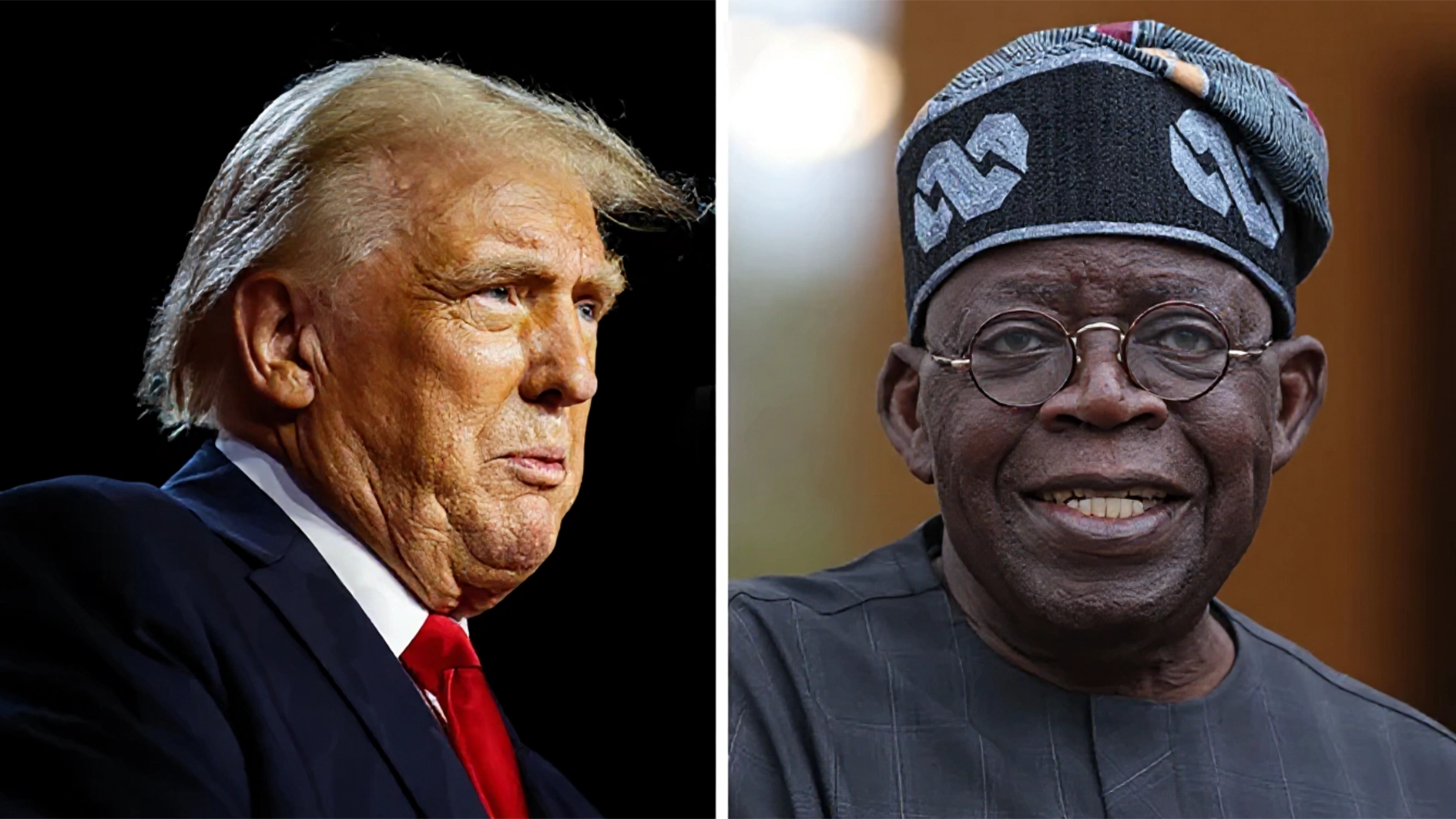
The United States has authorised $413.046 million (approximately N587 billion) for counter-insurgency and security operations in Nigeria and other African countries in 2026, reflecting its continued engagement in the region amid rising security challenges.
The funding is part of the National Defence Authorisation Act (NDAA) for Fiscal Year 2026, approved under Title XLIII – Operation and Maintenance. The Act, signed into law by President Donald Trump on 18 December 2025, allocates $901 billion to the US military and includes a 4 per cent pay increase for service members.
AFRICOM recently delivered military equipment to Nigerian security agencies as part of ongoing cooperation aimed at addressing insurgency in the Northeast, banditry in the North-West, and maritime crime in the Gulf of Guinea.
The NDAA also establishes a Bureau of African Affairs within the US Department of State, headed by an Assistant Secretary for African Affairs, tasked with overseeing US foreign policy and assistance programmes across sub-Saharan Africa.
The Act mandates assessments of Russia’s military presence and strategic objectives in Africa, including an analysis of overseas military bases, logistics infrastructure, and their implications for US operations in the region.
Commenting on the development, security analyst Kabir Adamu of Beacon Consulting said the move reflects the growing geopolitical significance of Africa, driven largely by economic interests and competition with Russia and China.
“Africa has become a strategic arena due to insecurity, weak state control, and the presence of critical resources,” he noted. Adamu suggested that Nigeria’s strategic location could make it a focal point for US engagement in West Africa.
Another analyst, Chidi Omeje, emphasised that Nigeria’s relationship with the United States should be seen as a partnership rather than a form of dominance.
“Many of Nigeria’s security challenges are linked to transnational terrorist networks,” he said. “Partnerships with global powers are necessary to address these threats effectively,” Omeje said, adding that Russia’s influence in Africa is limited by its ongoing conflict in Ukraine, reducing Moscow’s ability to assist Nigeria in security matters.
In Abuja, the Chief of Army Staff, Lt Gen. Waidi Shaibu, called for expanded cooperation with the US Army to enhance operational effectiveness and institutional capacity. During a meeting with the US Defence Attaché, Lt. Col. Semira Moore, Shaibu highlighted the benefits of American military expertise in both kinetic and non-kinetic operations. Moore reaffirmed the United States’ commitment to continued collaboration, including capacity building, intelligence sharing, and support for troop welfare initiatives.
The US funding and policy measures coincide with a period of ongoing insecurity across West Africa, including attacks in Mali and northern Benin, illustrating the broader regional context for American security engagement in Nigeria.

