
GDN SIDEBAR
Your face may be glowing, but your body could be telling a different story. In 2026, the beauty conversation is shifting beyond the jawline, and your routine needs to follow. The way you cleanse, moisturise, and protect your body skin could be the missing link in your glow.
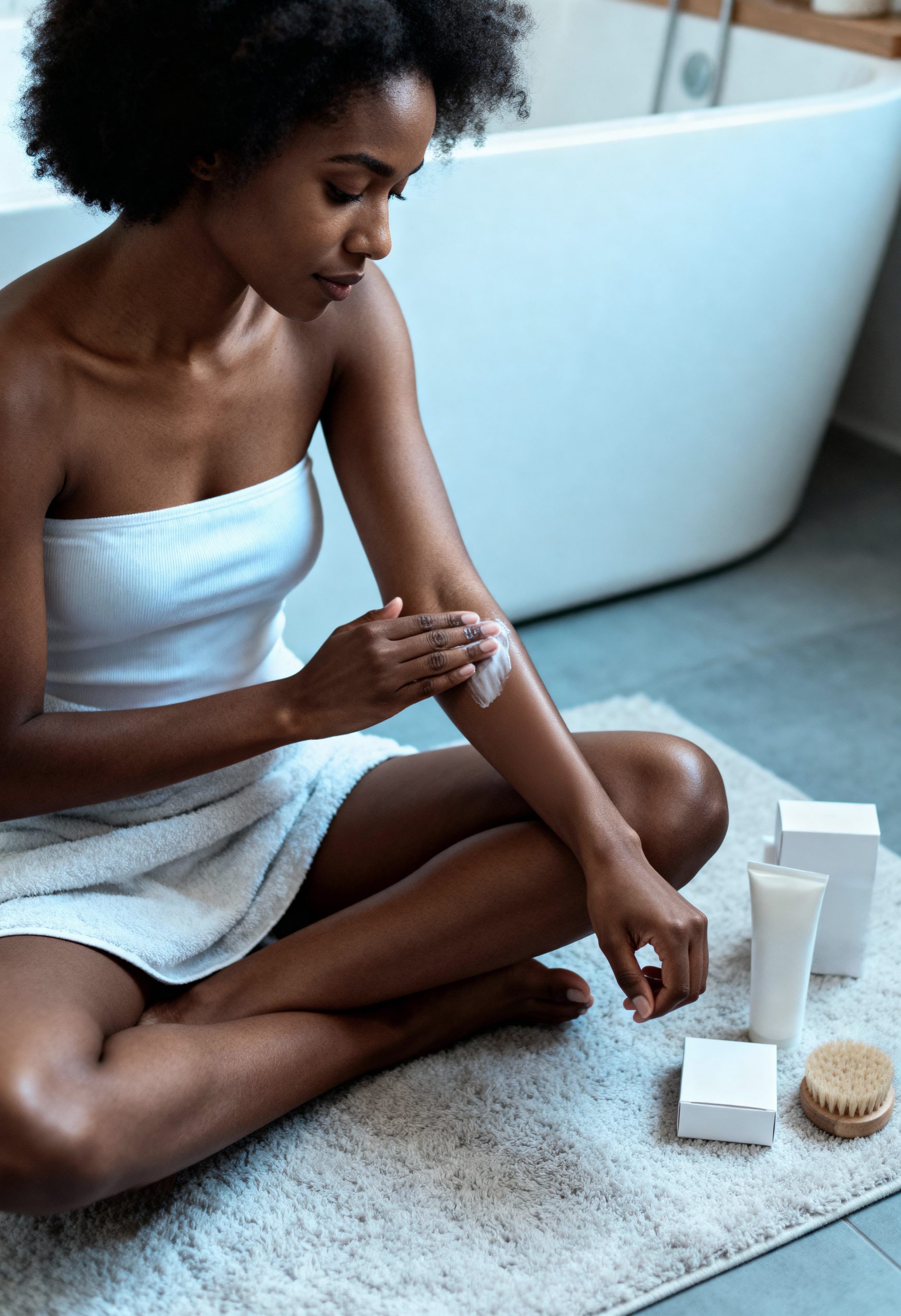
The skin on our bodies is the largest organ we have. It faces daily exposure to friction from clothing, sun, sweat, shaving, and sometimes harsh products. Yet, it is often treated as an afterthought. Concerns such as dryness, rough texture, body acne, hyperpigmentation, ingrown hairs, and uneven skin tone are common, not because people are unhygienic, but because body skin is often not properly cared for.
Harsh soaps
One of the most common mistakes people make is using harsh soaps that strip the skin of its natural oils. If your skin feels tight, dry, or “squeaky clean” after a shower, it is usually a sign that it has been overly dried out and its protective barrier compromised.
Moisturise early
Another mistake is waiting until the skin looks visibly dry or ashy before moisturising. By then, the skin is already dehydrated and struggling to repair itself. The body should be moisturised while the skin is still slightly damp so the product can be absorbed more effectively. Moisturising on damp skin helps to lock in hydration.
Scrub less, protect more
Over-scrubbing with sponges and brushes, skipping sunscreen on exposed areas such as the arms and chest, and treating body acne without understanding its cause are also common errors. Many people apply sunscreen diligently to their face but forget the rest of their body. This can lead to hyperpigmentation, withhere some areas becominge darker than others due to sun exposure.
Keep it simple
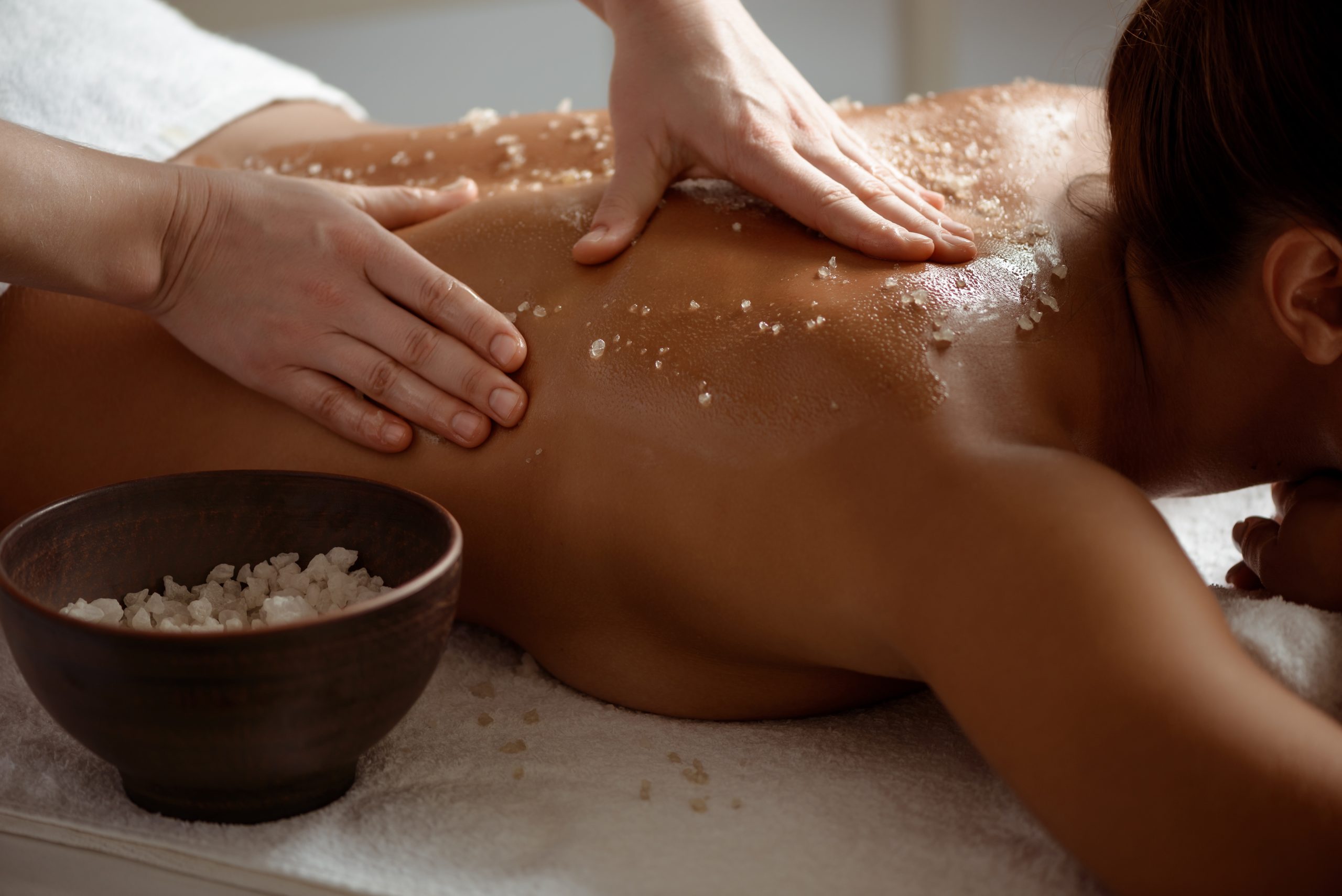
A good body skincare routine does not need to be complicated. It begins with gentle cleansing. A non-stripping body wash cleans the skin without damaging its protective barrier. Treatments should only be introduced when necessary. Chemical exfoliants such as lactic acid or glycolic acid can help with rough texture, clogged pores, and body acne when used correctly, and they are often gentler and more effective than aggressive physical scrubbing.

Moisturise and protect
Moisturising remains the foundation of body skincare. Whether you prefer lotions, creams, or body butters depends on your skin type, but consistency matters more than the product choice. Protection is also essential. Sunscreen is not only for the face. Areas like the neck, chest, arms, and legs are often exposed and can develop dark spots and signs of premature ageing when left unprotected.
Face vs body products
Although it may seem convenient to use leftover facial products on the body, the two are not always interchangeable. Body skin is thicker and often benefits more from products formulated specifically for it. These are usually available in larger sizes and designed for wider surface areas. Body care does not need to be expensive, but it should always be intentional.
Health over perfection
At its core, body care is not about perfection or appearance. It is about skin health. When body skin is properly cared for, it feels smoother, looks more even, and becomes less reactive. This often reflects in increased confidence in how you dress, move, and carry yourself.
Often ignored areas
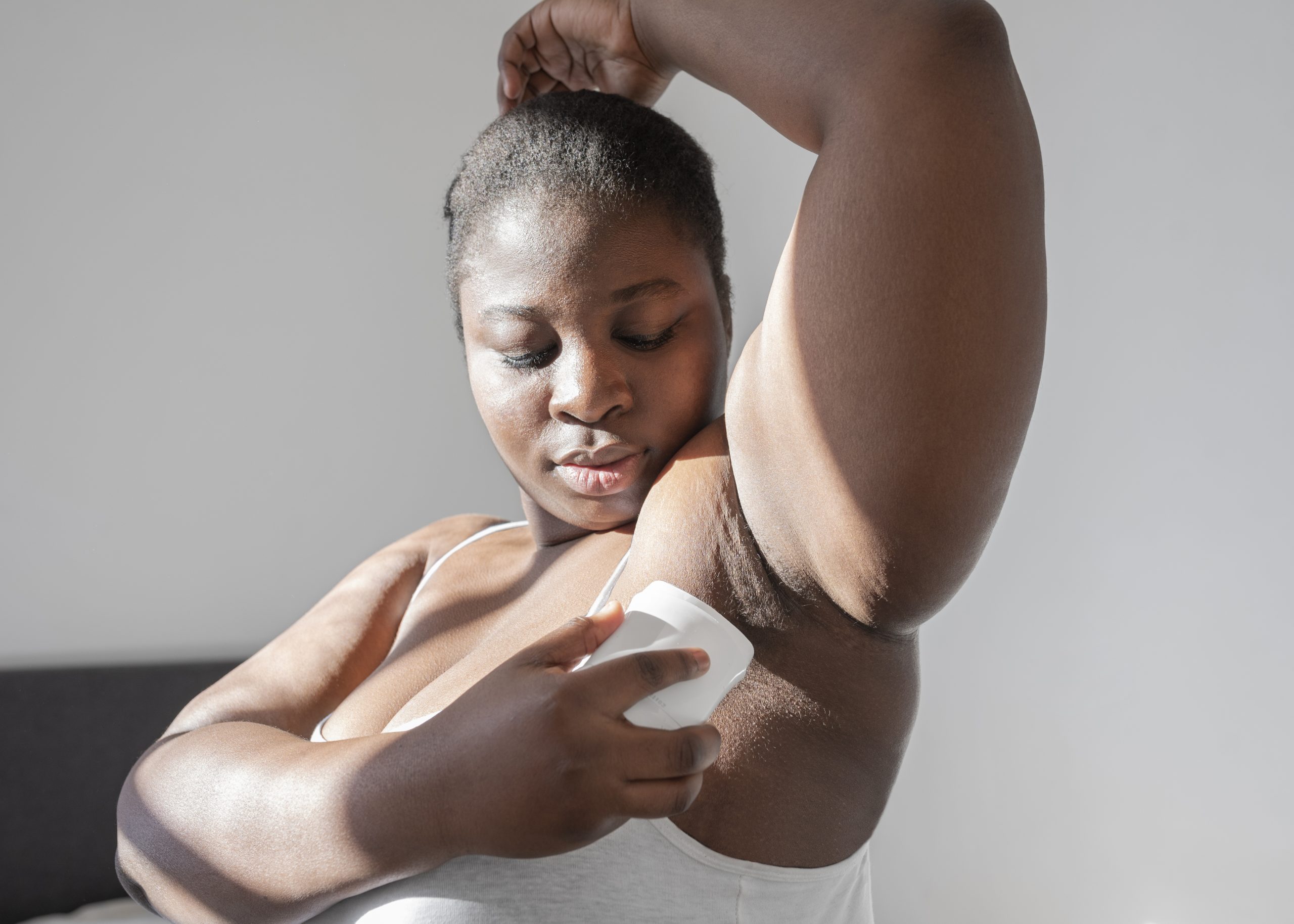
Some areas of the body need more attention than others. Knuckles, knees, elbows, armpits, inner thighs, and ankles are more prone to dryness, darkness and rough texture due to thicker skin, friction, and frequent shaving. These areas usually need more than basic lotion to stay smooth and even-toned.
Care for rough spots
For knuckles, knees, and elbows, consistent exfoliation combined with rich moisturising can make a noticeable difference. Gentle chemical exfoliants help reduce buildup and dullness, while thicker creams or body butters support repair over time. Applying these products at night and sealing with occlusive ingredients can improve results.
Skin starts within
What we eat also affects how our skin looks and feels. Skin health starts from within, and no amount of lotion can fully replace a balanced diet. Foods rich in healthy fats, vitamins, and antioxidants help support the skin barrier, improve elasticity, and promote a more even tone. Fruits and vegetables high in vitamin C — such as oranges, berries, bell peppers and leafy greens — support collagen production and aid skin repair.
Beyond the jawline
If you already invest time and effort into caring for your face, remember that your body deserves the same attention. Skincare does not stop at your jawline, and neither should your routine.