 Follow Us on Google News
 Follow Us on Google Discover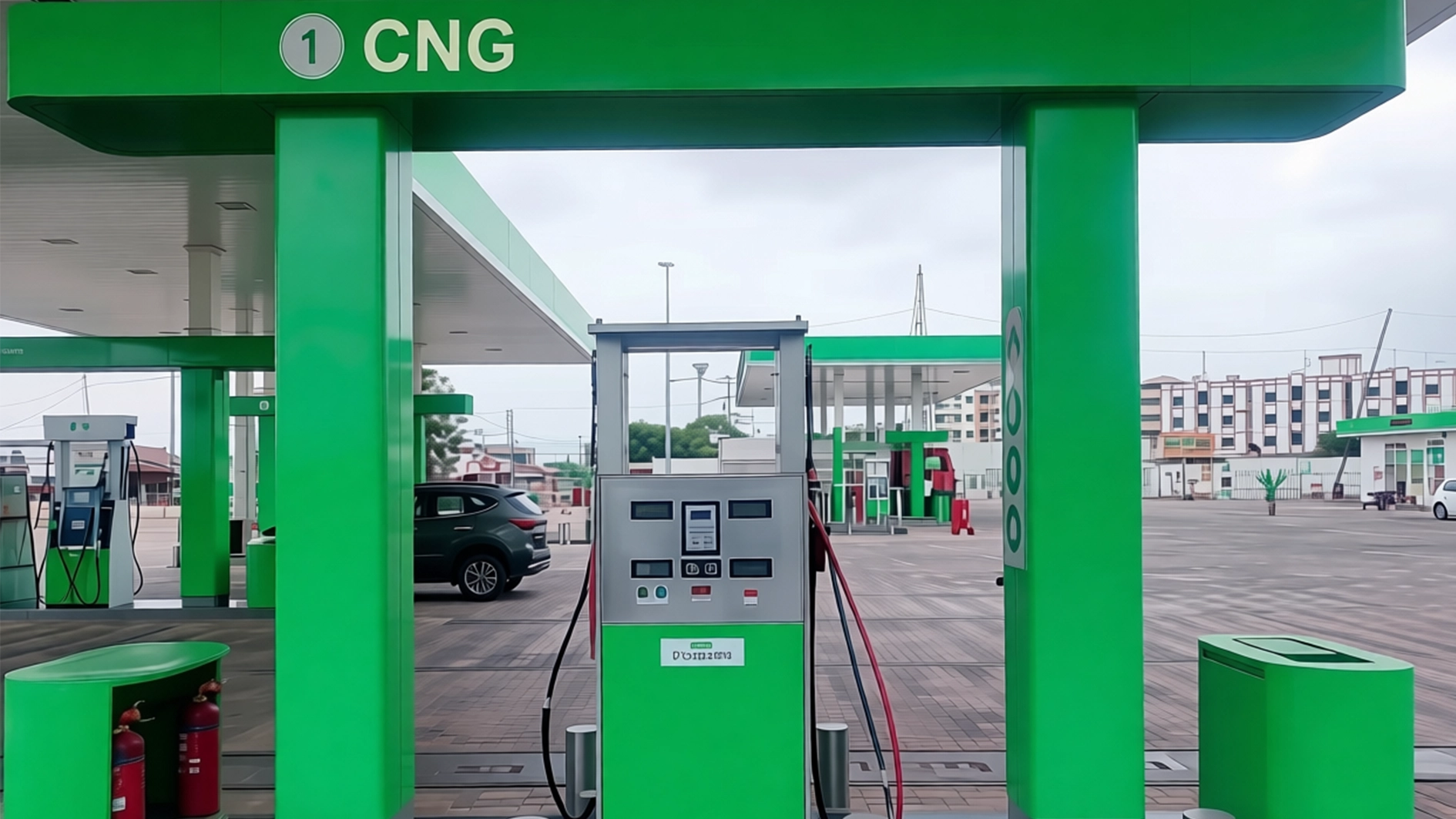
Oyo State is set to expand its shift toward compressed natural gas (CNG)-powered mass transit following a 20-year public-private partnership (PPP) between the state government and Atlas Core Energy and Logistics to develop refuelling infrastructure and support fleet conversion in Ibadan.
Under the agreement with the Oyo State Pacesetter Transport Service (PTS), Atlas Core will build and operate a CNG refuelling facility at the Pacesetter premises while supporting the rollout and conversion of buses to run on gas. Pacesetter currently operates about 50 CNG buses and plans to expand its fleet.
The partnership aligns with the Federal Government’s Presidential Initiative on CNG (Pi-CNG), which aims to cut transport costs and reduce pressure on petrol demand by accelerating the adoption of gas-powered vehicles nationwide.
The agreement is backed by a 20-year memorandum of understanding (MoU) signed with the Oyo State Government, positioning Atlas Core as a private-sector partner supporting the Federal Government’s Presidential Initiative on CNG (Pi-CNG) and Nigeria’s long-term net-zero greenhouse gas emissions target for 2060.
Speaking on the partnership, the Chief Executive Officer of Atlas Core Energy and Logistics, Dr Owoade Emmanuel, said the project was designed to lower commuter fares, reduce operating costs for transport operators, and contribute to emissions-reduction goals.
“The Ibadan CNG facility, our partnership with Pacesetter Transport Service, and the signing of this MoU with the Oyo State Government are practical steps towards reducing commuter costs, lowering carbon emissions, and demonstrating that public-private collaboration can successfully scale the Pi-CNG initiative across Nigeria,” he said.
He added that the Ibadan facility and the broader collaboration with the state government demonstrate how private-sector investment can support the scale-up of gas-based mobility infrastructure.
“At Atlas Core, our purpose is simple. To build the infrastructure that makes cleaner and more affordable transport systems possible, reduce reliance on combustion-based transport fuels, and lower per-kilometre operating costs for buses and logistics operators. These outcomes are directly aligned with Nigeria’s energy transition objectives and local priorities for accessible mobility,” he added.
The development comes amid the recent inauguration of modern CNG infrastructure in the state, underscoring growing sub-national efforts to promote affordable, sustainable and efficient public transportation systems, with Atlas Core’s intervention aligned with this push.
Representing Governor Seyi Makinde at the MoU signing, Chairman and Sole Administrator of Pacesetter Transport Service, Dikko Salami, said the expansion of CNG-powered transport reflects the administration’s commitment to sustainability and cost efficiency.

