 Follow Us on Google News
 Follow Us on Google Discover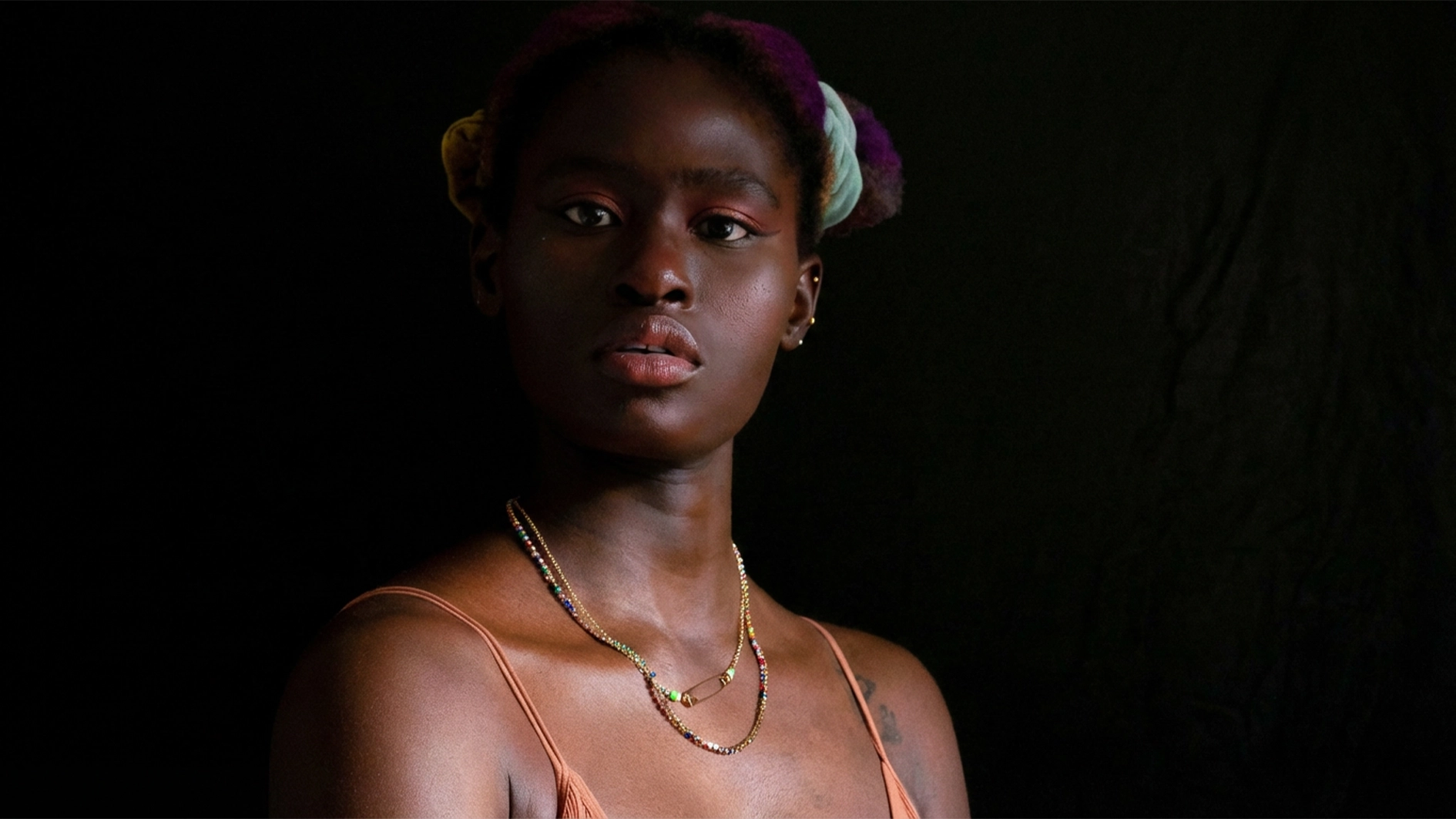
Keyede Heidel-Ajakaiye, a Nigerian-raised visual artist based in Canada, is steadily carving a niche at the intersection of visual art, photography, and animation advocacy. Through her foundation, The Colored Anime, she is supporting young African animators and expanding the continent’s storytelling presence on the global stage.
A professional artist and photographer, Keyede studied at the Vancouver Institute of MediaArts after earlier years of living and studying in Calgary. She is also an abstract expressionist painter who works across diverse media, translating imagination and emotion into bold forms and colours. Her multidisciplinary approach—shaped by a deep love for music, dance, and the tranquillity of nature—continues to influence both her creative practice and philanthropic vision.
“I’ve always enjoyed art in general and I’ve always been interested in art forms and animation,” she said during a recent media chat.
“Music, movement, and nature bring a sense of peace that reflects in how I approach my creations.”
While her professional creative business began in 2021, The Colored Anime Foundation was established in 2024. Despite its relative youth, the foundation has already made a notable impact within Africa’s animation ecosystem. Most significantly, it has partnered with the Africa International Film Festival (AFRIFF), sponsoring the animation category for the second consecutive year.
Explaining her motivation, Keyede said the idea behind the foundation was rooted in representation and opportunity.
“I see a lot of animation globally, but I didn’t necessarily see a lot of Africans doing it,” she said. “When I looked closer, I realised there are Africans—especially Nigerians—who are interested in animation. What they need is support and encouragement.”
Through AFRIFF, The Colored Anime provides both cash prizes and skills-development opportunities for award winners, a combination Keyede believes is essential for building sustainable creative careers.
“I just wanted to see if I could come in and give a little bit of support and encouragement in my own little way,” she added.

Central to her advocacy is a strong belief in the untapped power of African storytelling. According to her, animation offers a unique medium for translating indigenous narratives into formats that resonate across cultures and generations.
“African storytelling is a space that hasn’t really been tapped into,” she noted. “If you look at Japanese anime or how other cultures animate their stories, they draw deeply from their history. We have that same depth from our ancestors, but we’ve never really zoomed into it.”
She also highlighted animation’s ability to bridge generational gaps. “Children love animation, and adults enjoy it too. When the stories reflect who we are as Africans, they become more relatable and engaging.”
On what distinguishes a strong animator, Keyede emphasised the balance between creativity and technical execution.
“There are two key things I look out for: storytelling and audio production,” she said. “If the audio isn’t good, no matter how strong the story is, it pulls people out. And if the audio is great but the storytelling is weak, it still won’t work.”
Music—particularly Afrobeat—plays a significant role in her creative philosophy. “Music conveys emotion,” she explained. “Sometimes you don’t even need words. Movement and music can speak louder than conversations.”
Looking ahead, Keyede is cautiously optimistic about the future of animation in Africa, noting that progress will require patience, investment, and long-term commitment.
“It’s not going to happen overnight,” she said. “We need more effort and more resources for it to work.”
On whether government or private investors should lead the push, she believes both have vital roles to play.
“Either one works,” she said. “They just need to see the potential and zoom out to understand where it can go. Without that support, even the most talented creators won’t thrive.”
She added that technology alone is not enough without genuine backing for creatives. “No matter how much talent exists, if resources and encouragement don’t reach the creator, it won’t pan out.”
Keyede has been involved with AFRIFF since 2024, making this her second year supporting the animation category. While she leaves formal impact assessment to her management team, she finds motivation in the growing enthusiasm around the awards.
“When I see how excited people are that animation now has its own category, it makes me happy. It helps creatives feel seen and encourages them to keep going,” she said.
Past winners in the categories supported by her foundation include Dami Solesi, creative director of Smids Animation Studios, and Adeoye Adetunji of 2thpick Art, who won Best Animation awards in 2024 and 2025, respectively.
Her advice to emerging African creatives centres on adaptability and self-belief.
“Always be open to learning new techniques and improving yourself,” she said. “Be open-minded, but also know when to stand your ground.”
As The Colored Anime continues to grow, Keyede Heidel-Ajakaiye’s vision remains clear: to help African stories find animated life, and to ensure that young creatives receive the tools, visibility, and encouragement they need to share those stories with the world.

