 Follow Us on Google News


 Follow Us on Google Discover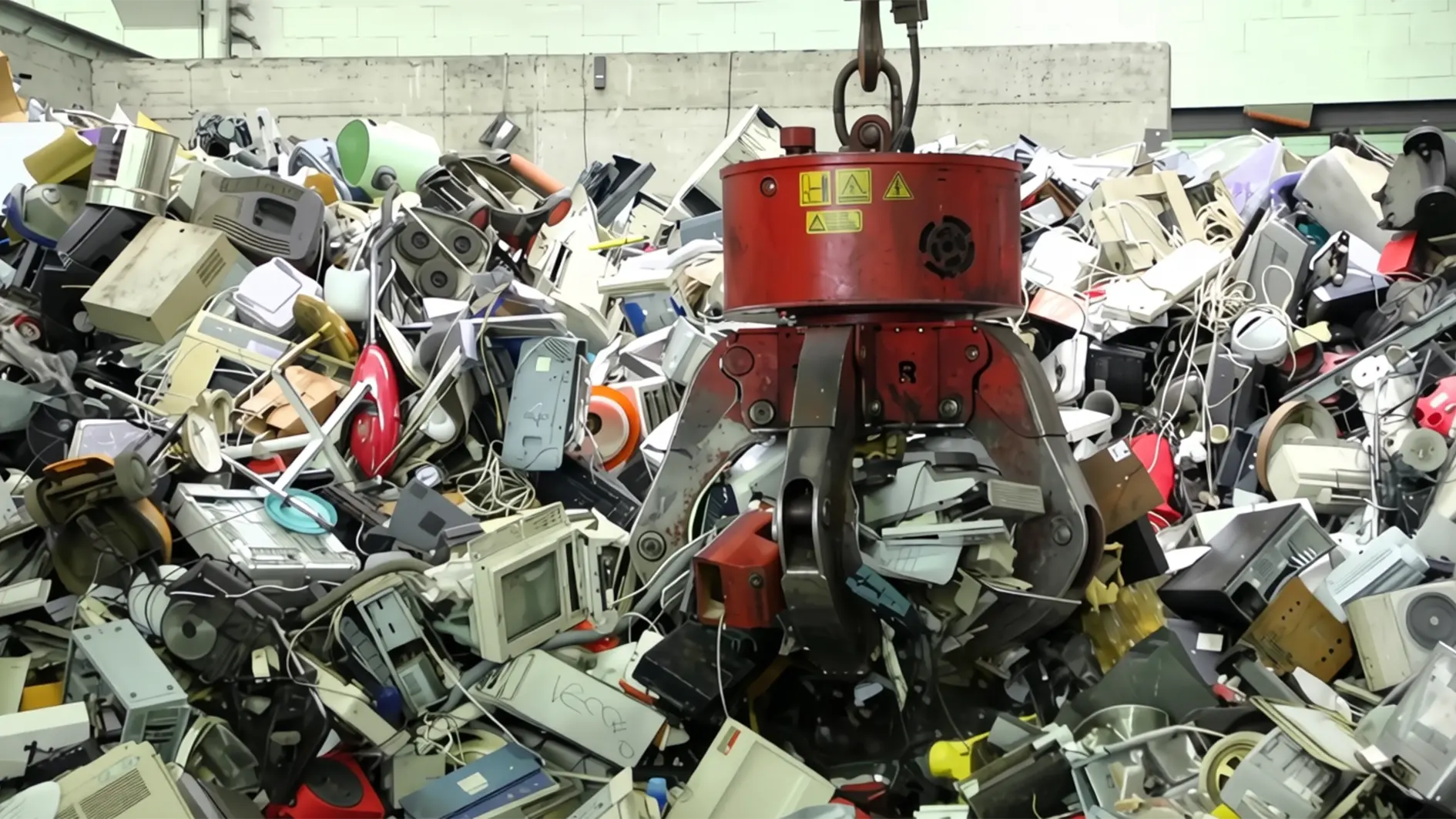
Nigeria’s worsening economic conditions have triggered a sharp shift in consumer behaviour, with many households in favour of cheaper second-hand electronic products. While this trend has helped households cope with shrinking purchasing power amid soaring inflation, it has also fuelled a rapid rise in electronic waste (e-waste), deepening environmental, health and regulatory challenges across the country, CHINEDUM UWAEGBULAM reports
WITH soaring inflation and prolonged economic hardship eroding purchasing power, many Nigerians have abandoned brand-new electronic devices in favour of second-hand products. This shift is fuelling a sharp rise in electronic waste (e-waste) across the country.
Findings by The Guardian show that the trend has also led to increased importation of used electrical and electronic equipment (EEE), much of which consists of end-of-life or near-obsolete products that quickly become waste. Over half a million tonnes of discarded appliances are processed in Nigeria each year, posing serious health risks to informal recyclers and exacerbating environmental pollution.
A joint study by the Basel Action Network and BCC Nigeria revealed that about 500,000 used computers were imported yearly through Lagos ports alone. Industry experts say the figure has risen significantly in recent years due to worsening economic conditions.
Nigeria is a major destination for global e-waste
Nigeria’s e-waste burden is both domestic and foreign-sourced. The country generated about 290,000 tonnes of electronic waste in 2017, representing a 170 per cent increase from 2009. It remains one of Africa’s largest recipients of used electronics from abroad.
Although the exact volume of overseas-generated e-waste entering Nigeria is difficult to quantify, research by the United Nations University indicates that more than 60,000 tonnes of used EEE are shipped into the country annually through Lagos ports alone, with additional volumes entering via land borders from neighbouring countries.
Experts estimate that only about 25 per cent of imported used electronics are functional, while the remaining 75 per cent are unserviceable junk that is eventually burned or dumped indiscriminately. E-waste, defined as discarded products containing plugs or batteries, contains toxic substances such as mercury, cadmium and lead, which can damage the brain, nervous system and vital organs.
A post-study survey in Lagos revealed alarming volumes of imported electronics across key markets: Computer Village (15 tonnes), International Market (100 tonnes), Oshodi Market (15 tonnes), Lawanson Market (30 tonnes) and Westminster Market (40 tonnes).
While government officials claim these figures have dropped due to tighter controls on used EEE imports, civil society organisations dispute this, arguing that weak monitoring mechanisms and enforcement failures have allowed the problem to worsen.
Illegal trade worth billions
A United Nations Environment Programme (UNEP) report estimates that up to 90 per cent of the world’s e-waste, valued at nearly $19 billion, is illegally traded or dumped annually. Globally, the electronics industry generates up to 41 million tonnes of e-waste each year.
The International Criminal Police Organisation (INTERPOL) values a tonne of e-waste at about $500, placing the annual value of illegally traded or informally handled e-waste between $12.5 billion and $18.8 billion.
Additionally, about $10 billion worth of “invisible” e-waste items such as cables, electronic toys, LED-decorated clothing, power tools and vaping devices, accounts for nine billion kilogrammes of waste annually, roughly one-sixth of global e-waste. If stacked together, this waste would equal nearly half a million 40-tonne trucks stretching over 5,640 kilometres from Rome to Nairobi.
The UN’s fourth Global E-waste Monitor (GEM) reports that global e-waste generation is growing five times faster than documented recycling. A record 62 million tonnes was generated in 2022, up 82 per cent from 2010, and projected to reach 82 million tonnes by 2030.

Ports flagged as entry points
Despite reported progress in West Africa through regional cooperation, illegal shipments persist. In January 2023, authorities intercepted an organised crime network smuggling over five million kilogrammes of e-waste from the Canary Islands to Ghana, Mauritania, Nigeria and Senegal. Earlier, in 2020, Spanish authorities dismantled a syndicate that shipped 2.5 billion kilogrammes of waste to Africa, including 750,000 kilogrammes falsely labelled as functional equipment.
The 2024 Global Environmental Monitor identified Lagos, Durban (South Africa) and Bizerte (Tunisia) as major ports of entry for used EEE, noting that shipments continue to bypass the Basel and Bamako Conventions.
A study in Ireland using the StEP Initiative’s “person-in-the-port” methodology found that roll-on/roll-off vehicles, not containers, were the main carriers of used electronics to West Africa, with one in five exported vehicles containing used EEE.
According to the International Labour Organisation (ILO), about 100,000 Nigerians work in the informal e-waste recycling sector, dismantling electronics manually to recover saleable parts. These workers face constant exposure to hazardous chemicals and often suffer respiratory ailments, skin diseases, eye infections and reduced life expectancy.
Waste with no resale value is commonly burned or dumped, releasing toxic pollutants such as dioxins, furans and flame retardants into the air, soil and water. Yearly, Nigeria reportedly burns or dumps over 52,000 tonnes of brominated plastics, 4,000 tonnes of lead, 80 tonnes of cadmium and 0.3 tonnes of mercury.
Regulatory gaps and calls for reform
Nigeria’s legal framework bans e-waste imports under the National Environmental (Electrical/Electronic Sector) Regulations of 2011 and mandates Extended Producer Responsibility (EPR) in collaboration with the National Environmental Standards and Regulations Enforcement Agency (NESREA). However, enforcement remains weak.
Former NESREA Director-General, Prof. Aliyu Jauro, said revised regulations now require all manufacturers, importers, recyclers and collection centres to register with the E-Waste Producer Responsibility Organisation of Nigeria (EPRON), paving the way for a financially sustainable circular electronics system.
EPRON Executive Secretary, Mrs Ibukun Faluyi, urged manufacturers, assemblers and distributors to take responsibility for managing the entire lifecycle of their products in an environmentally sound manner.
However, experts blame enforcement inefficiencies for the continued flooding of markets with e-waste. Executive Director of Sustainable Research and Action for Environmental Development (SRADev Nigeria), Dr Leslie Adogame, said economic hardship is driving demand for cheap electronics, making Nigeria attractive to foreign e-waste traders.
He called for capacity building for NESREA and port enforcement agencies, strict implementation of the Basel Convention, stronger inspections and incentives for recycling firms and manufacturers.
Chairman of the Nigerian Environmental Study Action Team (NEST), Prof. Chinedum Nwajiuba, also advocated a comprehensive review of Nigeria’s regulatory framework for e-waste imports, warning that without urgent reforms, the environmental and public health costs would continue to outweigh economic benefits.

