Follow Us on Google News
 Follow Us on Google Discover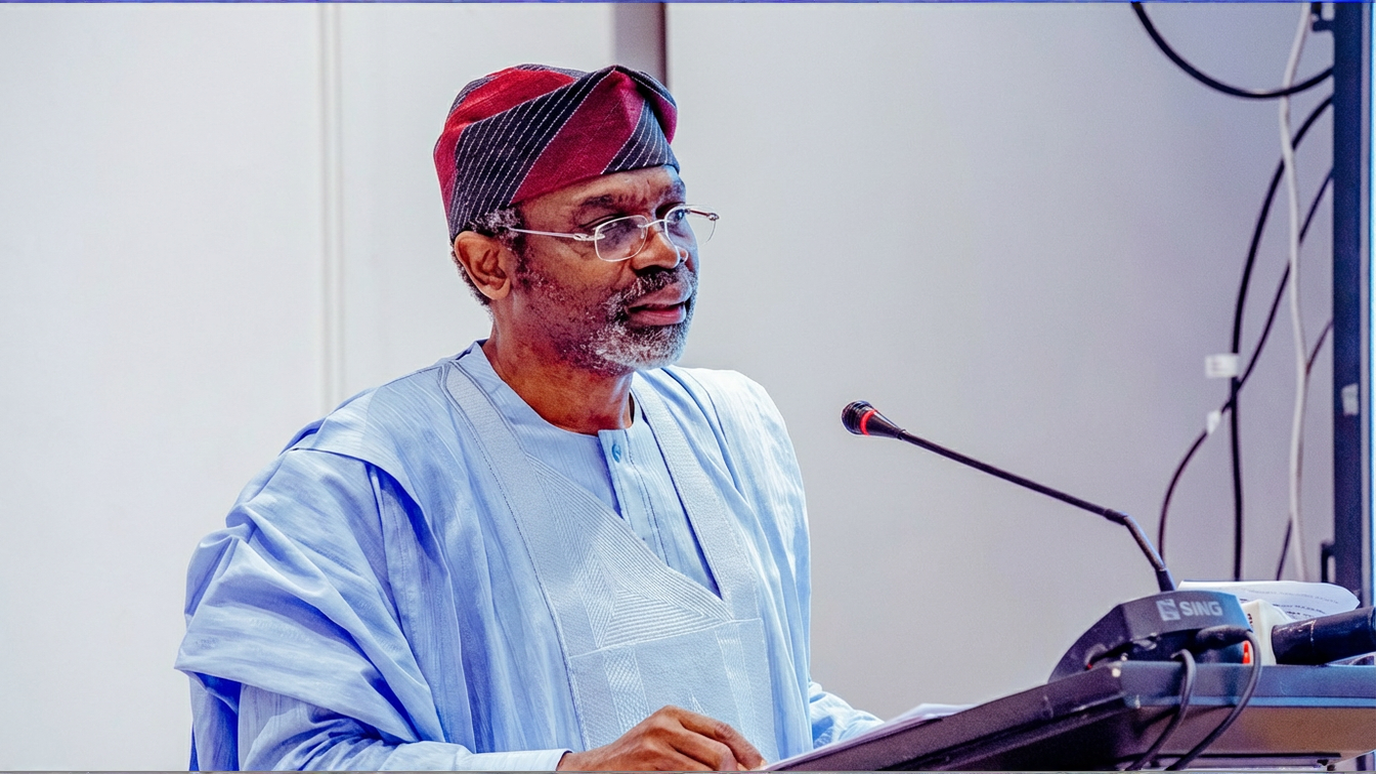
The former Speaker of the House of Representatives, Femi Gbajabiamila, has explained that his sponsorship of the Students’ Loans Bill was driven by the need to ensure that no qualified Nigerian is denied access to tertiary education because of financial hardship.
Gbajabiamila, who is the Chief of Staff to President Bola Tinubu, spoke yesterday at the 2026 International Day for Education Conference, themed: ‘Re-imagining the Future of Education in Nigeria: Collaborative Solutions for a Brighter Tomorrow’, held at the National Assembly Complex.
According to him, education is not just another sector of the economy but a matter of national survival, particularly for Nigeria as Africa’s most populous nation.
“Education is the bridge between potential and productivity; between aspiration and achievement,” he said, stressing that no country can compete globally without sustained investment in learning.
He recalled that during his tenure as Speaker of the 9th House, he sponsored the Students’ Loans Bill to promote equity and access in tertiary education, noting that admission and academic progression should be determined by merit and potential, not privilege.
Gbajabiamila said the bill received presidential assent within the first three months of the current administration under Tinubu, leading to the establishment of the Nigerian Education Loan Fund (NELFUND).
He described the move as a clear demonstration that education remains central to the President’s Renewed Hope Agenda.
The former Speaker also commended the Speaker of the House of Representatives, Tajudeen Abbas, for convening the conference and praised the 10th House for strengthening oversight on tertiary education funding, student welfare, and accountability reforms.
“Parliament is not merely a law-making institution; it is a strategic partner in shaping Nigeria’s future,” he said, assuring lawmakers of continued support for education-focused reforms.
Earlier, the Special Adviser to the Speaker on International Cooperation and Educational Development, Abisoye Da Rocha-Afodu, said Nigeria currently has over 20 million out-of-school children and faces challenges ranging from poor infrastructure and weak teacher welfare to outdated curricula and limited access to technology.
She said the conference was convened to develop practical, sustainable solutions through collaboration among lawmakers, policymakers, development partners, and other stakeholders.