 Follow Us on Google News
 Follow Us on Google Discover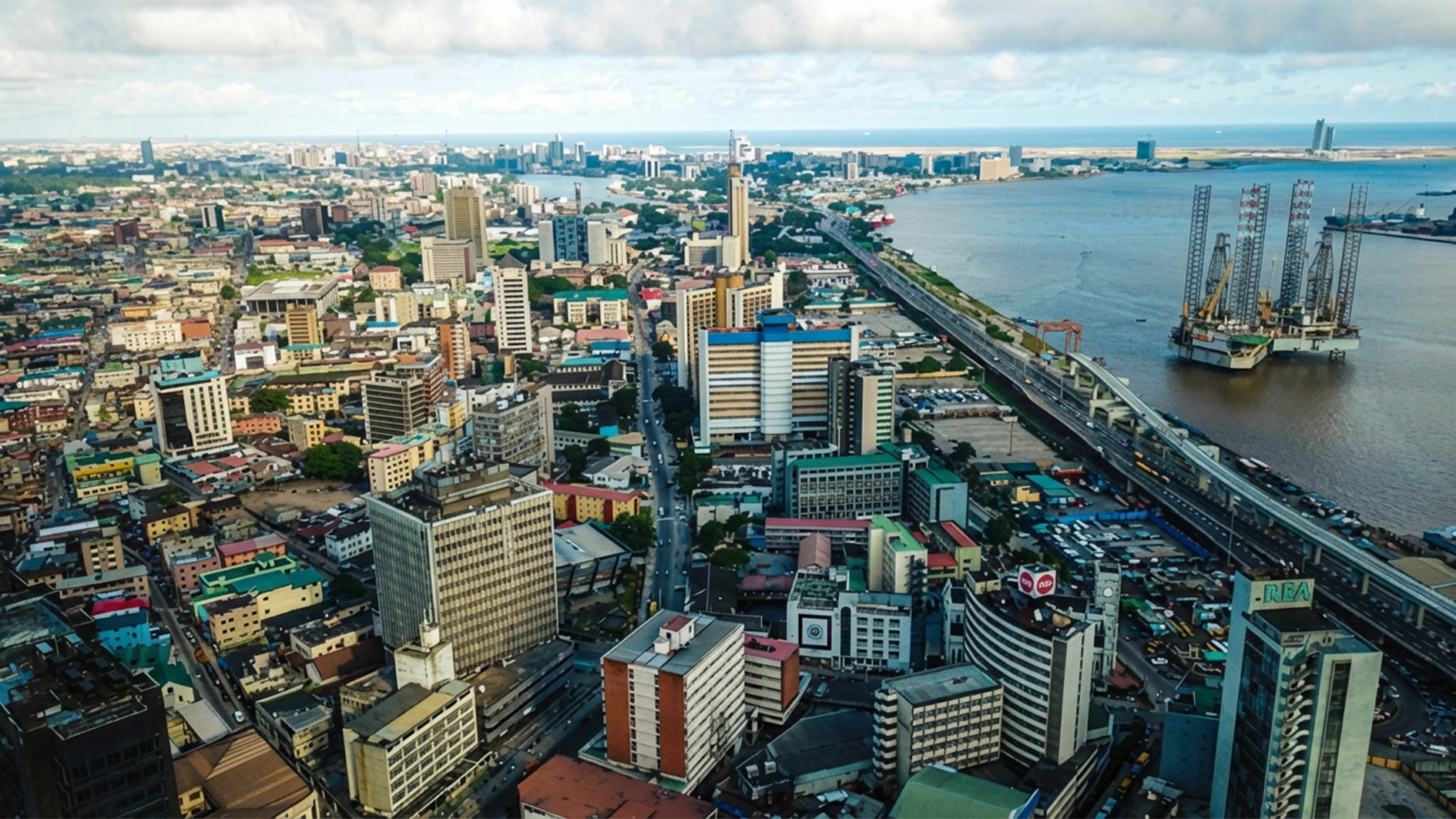
Stakeholders have highlighted policy reforms, investment, and private sector participation as critical to success of Nigeria’s plan to accelerate its transition to a circular economy.
Speaking at Nigeria Circular Economy Week 2026, themed, ‘Turning Challenges into Markets’, Ambassador of the Kingdom of the Netherlands to Nigeria, Bengt-van Loosdrecht, said collaboration with the African Development Bank (AfDB) is helping to drive the Nigeria Circular Economy Programme, which is designed to embed circular principles into national policies targeting key sectors including agriculture, energy, waste management and industry.
He noted that the Netherlands is also working with the Nigeria Circular Economy Working Group, coordinated by the European Union, ECOWAS and Nigeria’s Ministry of Environment, adding that Lagos has been selected as pilot city for circular economy initiatives.
According to him, the partnership has expanded to other states, with discussions underway on hosting additional Circular Hotpot events across Nigeria following the continent’s first edition hosted by Lagos State in July 2023.
He said the Netherlands has also supported the establishment of a circular business platform since 2021 and facilitated learning exchanges involving public, private and social sector actors.
Van Loosdrecht, however, raised concerns about visa challenges faced by foreign investors seeking entry into Nigeria, stressing that ease of doing business begins with efficient border and visa processes.

He added that improving first impressions for investors is essential to building trust and attracting enterprise participation.
Also speaking, EU representative on behalf of UNIDO and GIZ, Chantal Marijnissen, said the current global “take-make-waste” production model is unsustainable, warning that finite natural resources require more efficient management to ensure long-term economic security and competitiveness.
She said circular economy principles are central to the EU’s Clean Industrial Deal, which focuses on creating enabling regulatory frameworks, investing in recycling and circular business models, supporting innovation, and strengthening education systems to prepare younger generations for sustainable production systems.
Marijnissen said the EU is working with Nigeria’s Ministry of Environment on policy and regulatory exchanges and has supported the development of Nigeria’s National Circular Economy Roadmap through the Switch3 facility.
She added that the bloc is also supporting renewable energy lifecycle management in Nigeria, including recycling of solar panels and batteries.
She disclosed that since 2021, Team Europe has mobilised about €306 billion in global investments across sectors such as energy, transport and digital infrastructure, noting that circular economy development remains a core element of EU-Nigeria trade and investment relations.
Meanwhile, the United Nations Industrial Development Organisation (UNIDO) said Nigeria’s circular transition presents significant opportunities for industrial growth, job creation and environmental sustainability.
UNIDO Sub-Regional Director for Nigeria and ECOWAS, Ambassador Philbert Johnson, described the circular economy as a practical pathway for economic transformation, capable of strengthening domestic value chains, reducing import dependence, and unlocking green jobs for youths and women.
He said achieving these goals would require stronger policy implementation, increased private sector leadership and sustainable financing mechanisms, including blended finance and green investment instruments.
Johnson added that UNIDO has supported circular value chains, clean production systems and industrial upgrading across sectors such as plastics, waste management, manufacturing and the bio-economy, stressing the need to convert ongoing momentum into measurable outcomes.

