
GDN SIDEBAR
وَأَن تَصُومُوا خَيْرٌ لَّكُمْ إِن كُنتُمْ تَعْلَمُونَ
Wa an tasūmū khayrun lakum in kuntum ta‘lamūn
“And fasting is good for you, if you only knew.” (Surah al-Baqarah, 2:184–185)
When Allah says fasting is good for you, that goodness includes discipline, moderation, self-control, and purification of the soul. This also includes health. One practical way to protect your body while fasting is by ensuring your meals contain enough fibre.
What is fibre and why does it matter?
Fibre is a type of carbohydrate found in plant foods. Unlike other carbohydrates, it is not fully digested by the body. Instead, it supports digestion, stabilises blood sugar, and keeps you feeling full for longer.
During Ramadan, many people complain about constipation, bloating, sudden hunger, fatigue, and energy crashes. In many cases, the issue is not the fast itself but the food choices made at suhoor and iftar. Meals heavy in fried foods, white bread, and sugary drinks often lack fibre.
According to the World Health Organisation, a healthy diet includes adequate amounts of fibre from fruits, vegetables, legumes and whole grains to reduce the risk of noncommunicable diseases and support digestive health.
The British Nutrition Foundation also states that adults should aim for about 30 grams of fibre per day to maintain healthy digestion and reduce the risk of heart disease and type 2 diabetes.

In simple terms, fibre helps your body function properly. During fasting, that becomes even more important.
The benefits of fibre during Ramadan
1. Keeps you fuller for longer
At suhoor, fibre slows down digestion. This means food is broken down gradually, releasing energy steadily throughout the day. Instead of feeling hungry just a few hours after dawn, fibre helps you maintain satiety for longer.
2. Prevents constipation
Changes in eating times and reduced fluid intake often lead to constipation in Ramadan. Fibre adds bulk to stool and helps it move through the digestive system more easily.
However, fibre only works properly when combined with enough water between iftar and suhoor. Eating fibre without drinking sufficient fluids can worsen discomfort.
3. Stabilises blood sugar
After a long fast, it is tempting to consume sugary drinks and refined carbohydrates. This causes a rapid rise in blood sugar, followed by a crash that leaves you tired and sluggish.
Fibre slows the absorption of sugar into the bloodstream. When you include fibre at iftar, it reduces the likelihood of sharp spikes and crashes. That means more stable energy and better focus for Maghrib, Ishah, and Taraweeh.
4. Supports heart health
While enjoying traditional meals is part of the experience, excessive intake of low-fibre, high-fat foods can strain the body.
High-fibre diets are linked to improved heart health and lower cholesterol levels. Choosing fibre-rich foods is a protective measure, not just a temporary Ramadan adjustment.
Fibre-rich foods for suhoor
Suhoor should be strategic. The aim is sustained energy and digestive comfort.
Oats
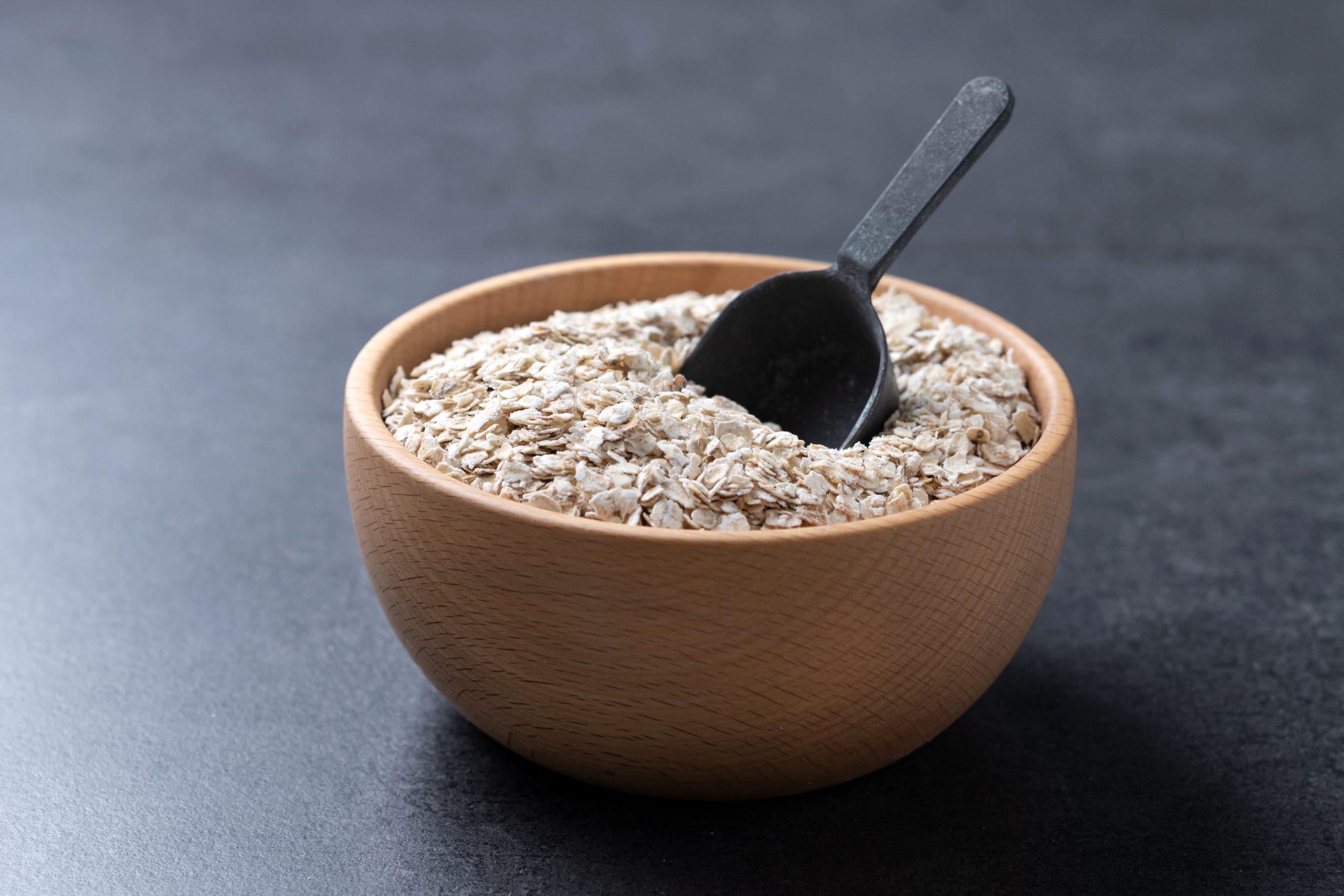
Oats are one of the best suhoor options. They are high in soluble fibre, which forms a gel-like substance in the gut and slows digestion. Pair oats with fruit and nuts for added benefit.
Whole-wheat bread
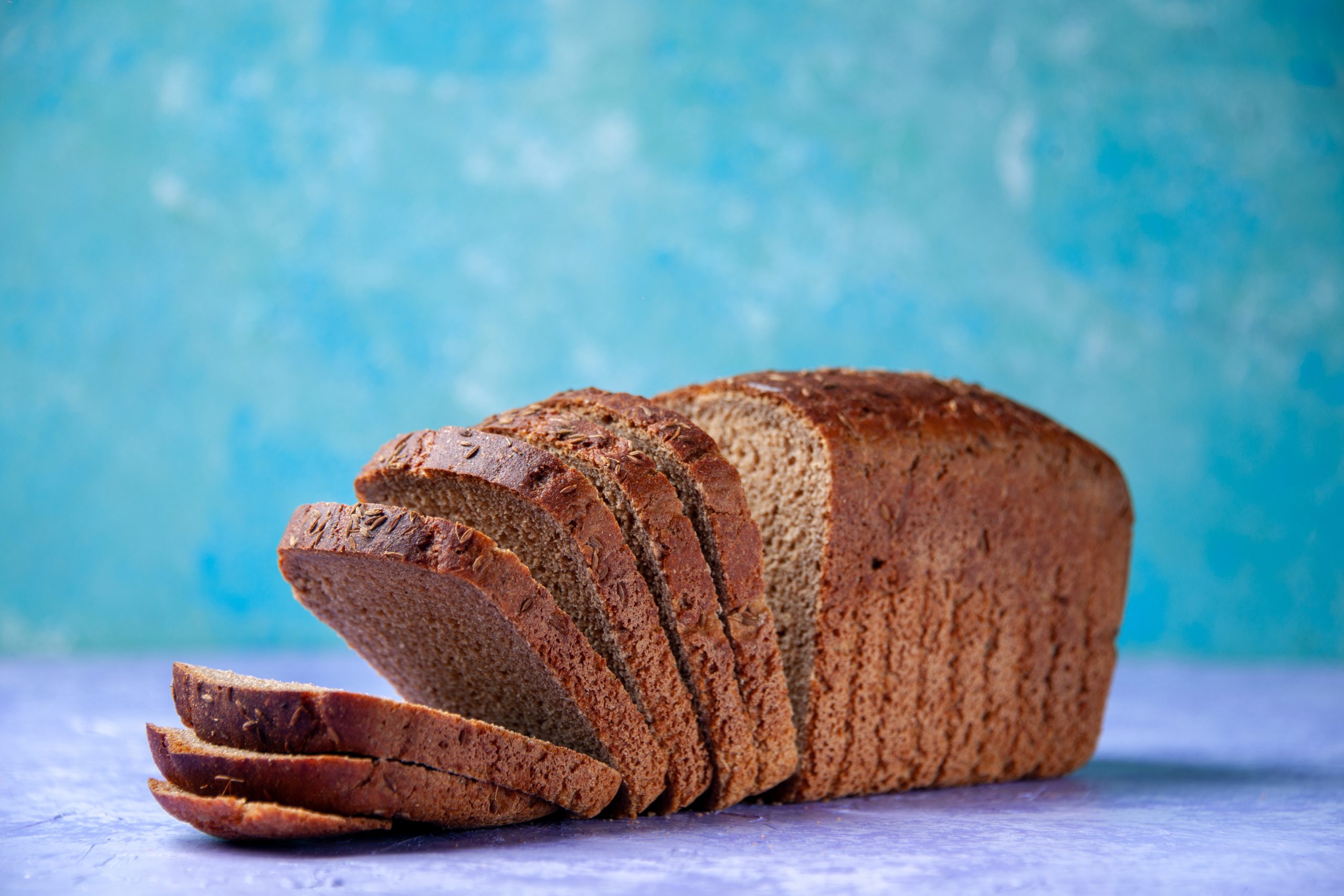
Replace white bread with whole-wheat or wholegrain varieties. They contain more fibre and keep you full longer.
Brown rice
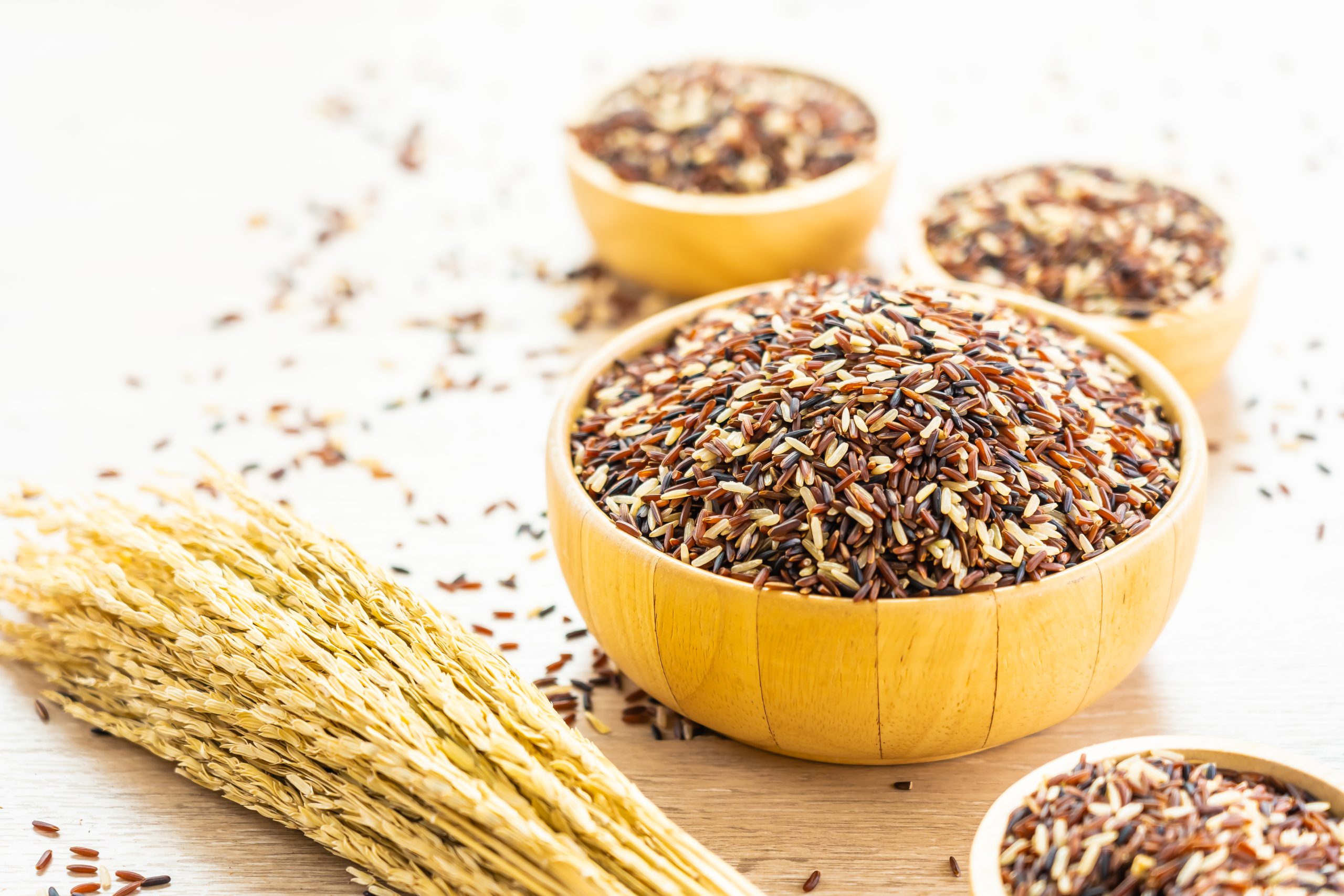
If you prefer rice at suhoor, choose brown rice over white rice. It contains the outer grain layer, which is rich in fibre.
Apples and pears

These fruits are high in fibre, especially when eaten with the skin. They also contain water, which supports hydration.
Bananas

Bananas provide fibre and potassium, which may help reduce muscle cramps during long fasts.
Lentils and beans
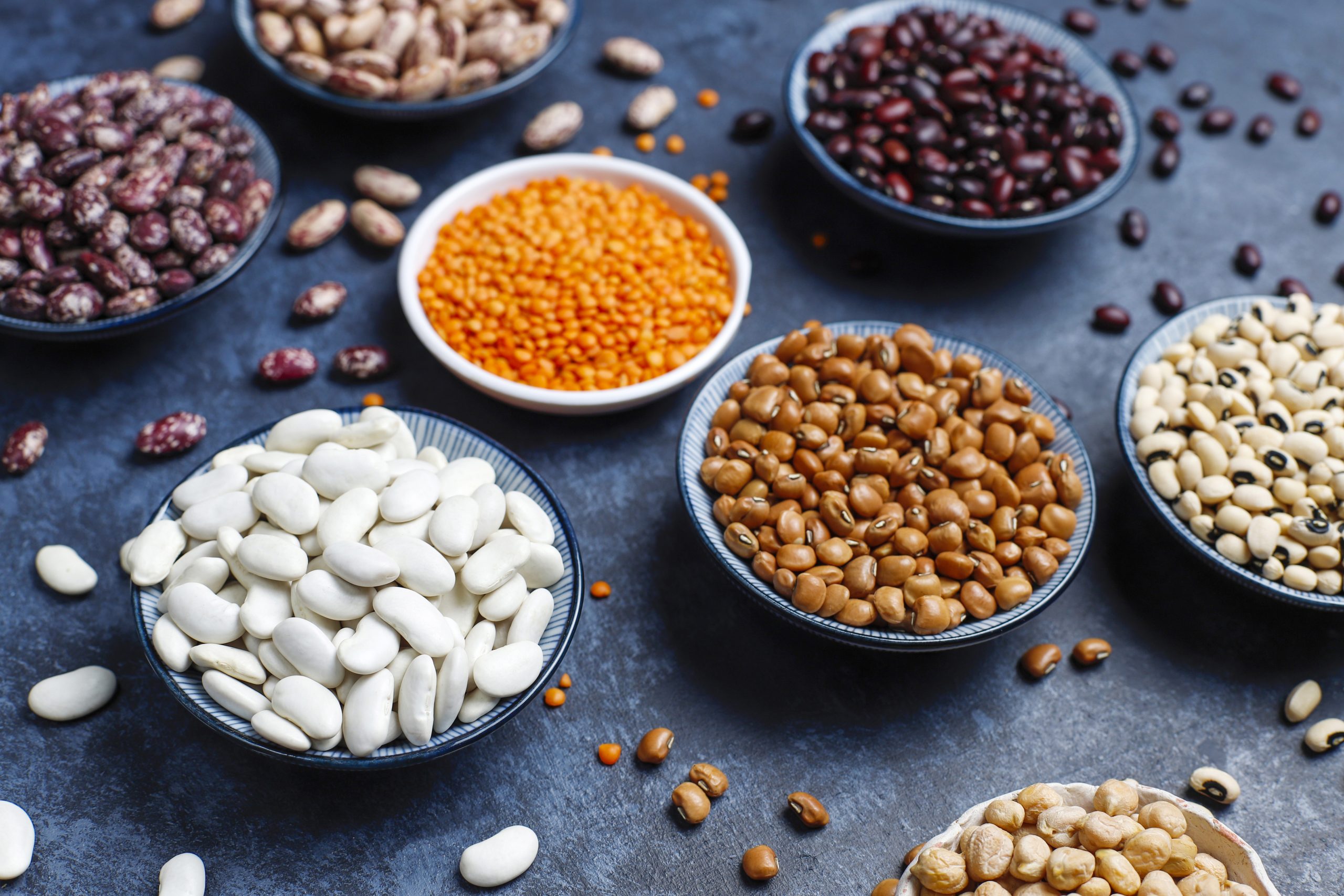
Adding lentils or beans to soups or stews at suhoor increases fibre intake significantly and provides plant-based protein.
Fibre-rich foods for iftar
Iftar should begin gently, then move into a balanced meal.
Dates
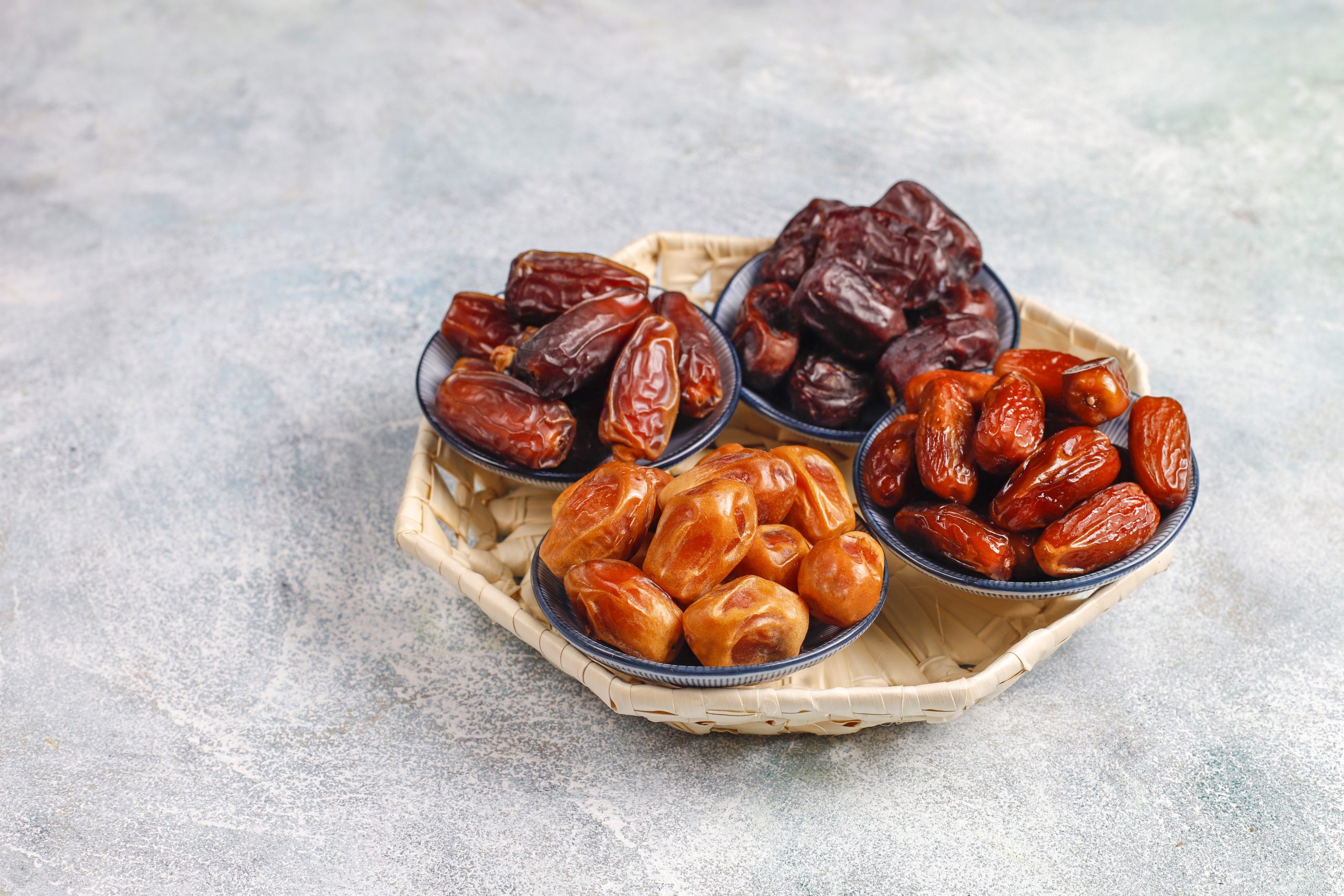
Dates contain fibre alongside natural sugars. While they provide quick energy, their fibre content helps moderate absorption. Eat in moderation.
Vegetable soups

Lentil soup, bean soup or vegetable soup are excellent ways to introduce fibre at iftar while also restoring fluids.
Salads

A simple salad with cucumber, carrots, lettuce and tomatoes increases fibre intake without overwhelming the stomach.
Chickpeas
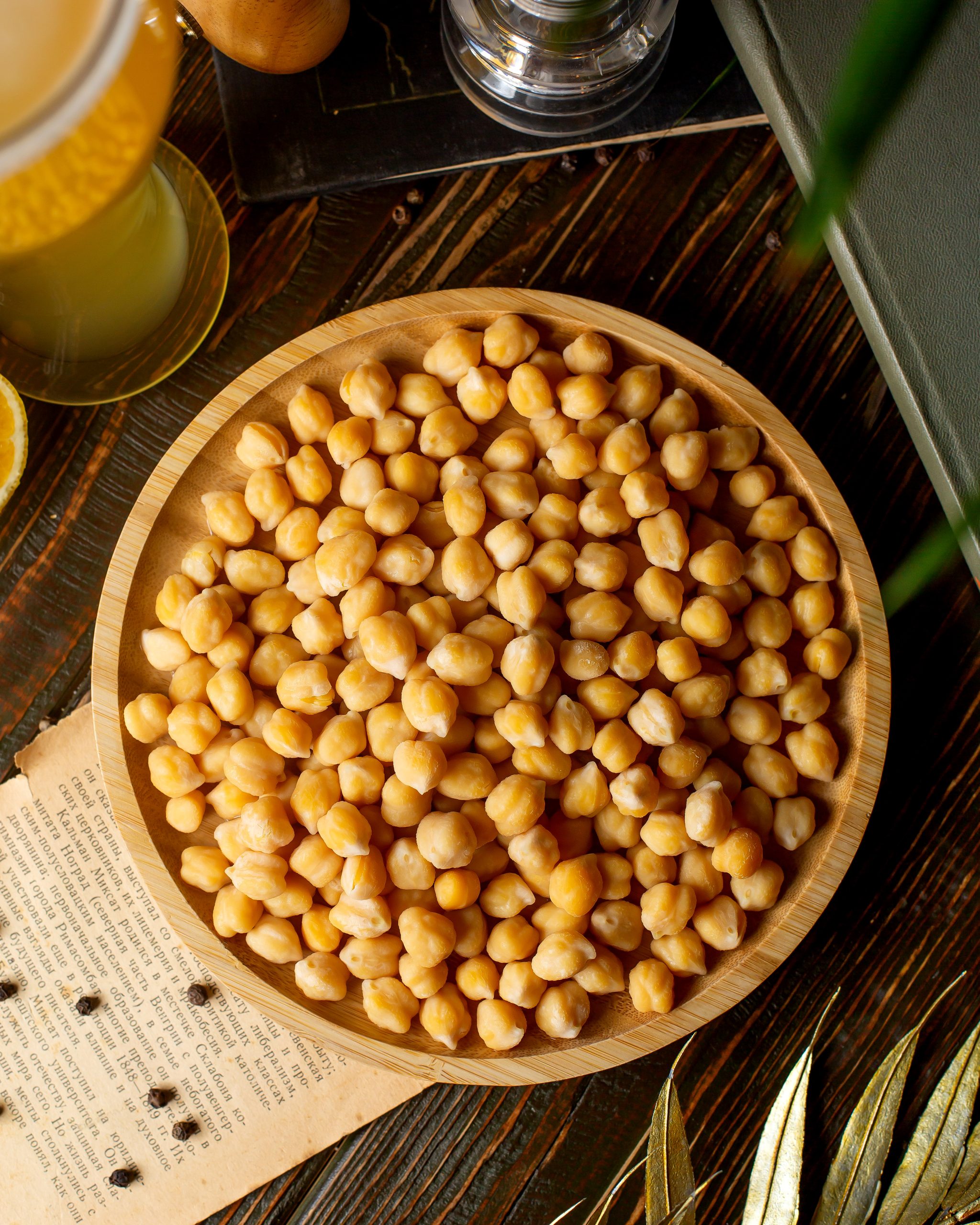
Often used in traditional dishes, chickpeas are rich in fibre and protein. They support fullness and digestion.
Whole grains
If your main meal includes rice or bread, opt for brown rice or wholegrain options rather than refined versions.
Practical advice
Increase fibre gradually if your usual diet is low in it. A sudden jump can cause bloating. Spread fibre intake across suhoor and iftar rather than consuming it all at once.
Most importantly, drink enough water between sunset and dawn. Fibre and hydration work together.