 Follow Us on Google News


 Follow Us on Google Discover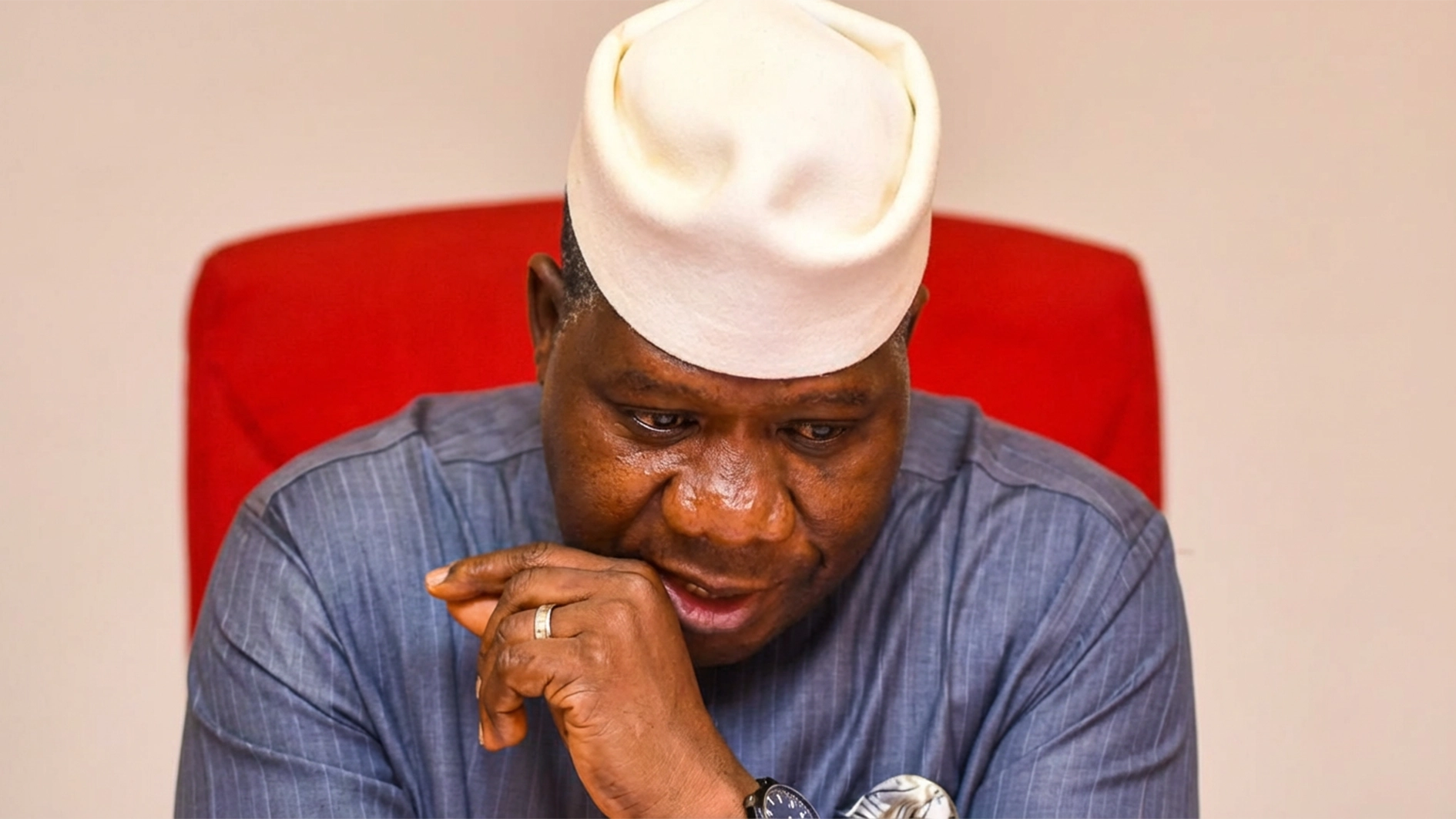
Section 60 (6) deals with a measure that can prevent the presiding officers from contravening or frustrating the electronic transmission of election results. Its significance is to prevent any form of sabotage and sanction it. On this ground, the Act prescribes a six-month imprisonment or a fine of N500,000 or both against presiding officers that frustrates the transmission of election results as required under the new legislation. This means the presiding officers will now be held accountable for the failure to electronically transmit election results, especially when there is no justifiable reason to do otherwise.
Sixth, under Section 72(2), the Act spells requirements for the inauguration of any candidate that the Court of Appeal or the Supreme Court pronounced winner after the determination of any election petition. The section stipulates that a certified true copy of the court order “shall be sufficient for the swearing-in of any candidate declared as the winner of an election by the court.” In this instance, the new regime clarifies that the certified true copy of court order can only be used for such purpose if the INEC fails, refuses, or neglects to issue the certificate of return. This is a shift from the previous practice that encouraged logjam or delay in the enforcement of the court order.
The seventh borders on the access to election documents that may be requested for by any political party, its candidates or any other interest. Under Section 74(1-2), the new legislation authorises the Resident Electoral Commissioner (REC) to release the certified true copy of such documents to any interest or political party that requested them within 14 days after the payment of a prescribed fee. But if the REC fails to comply with this provision, Subsection 2 stipulates that the REC has already committed “an offence and is liable on conviction to imprisonment for a minimum term of two years without an option of fine.”
Eighth, Section 77 (1-5) of the 2026 Electoral Act provides for stringent measures that will henceforth govern and regulate the conduct of primaries and the process of organising party primaries, congresses or conventions from the ward to the national level. As a result, this section places each political party under the obligation to maintain a digital register of its members; issue membership cards to each of them and submit such a register to the INEC 21 days before the party primaries, congresses or conventions.
This provision seeks to effectively regulate how political parties manage their internal affairs and how they elect their candidates. Under Section 77 (6-7), the new regime states that a political party “shall not use any other register for party primaries, congresses and conventions than the register submitted to the INEC. A political party that fails to submit the membership register within the stipulated time shall not be eligible to field a candidate for that election.” These measures are indeed consequential restraint measures, which most stakeholders strongly believe, will deepen internal democracy and de-monetise our electoral and political system.
The ninth revolves around the models of electing candidates for elective offices. Section 84(2) spells out the models – direct primaries and consensus. Unlike the 2022 Electoral Act, the indirect model had been deleted from this provision on two different grounds. First, it is designed to reduce the use of money to compromise party delegates. Second, it aims at embracing a model that will bequeath the power of electing party flag bearers on the party membership rather than some delegates that constitutes a minute fraction of party members.

Another takeaway is evident in the upward review of the campaign spending limit under Section 92(1-8) of the 2026 Electoral Act. The presidential campaign spending limit has been reviewed upward from N5 billion to N10 billion. The spending limit for governorship campaign has been raised from N1 billion to N3 billion; senatorial campaign now from N100 million to N500 million; House of House of Representatives from N70 million to N250 million; House of Assembly from N30 million to N100 million; Area Council from N30 million to N60 million and the limit for councillorship campaign has raised from N5 million to N10 million. This review, to a large extent, now reflects the country’s current socio-economic realities.
Eleventh, under Section 93 (3-4), the new legislation introduced an accountability mechanism aimed at demonetising the country’s political activities and prescribing commensurate sanctions where breaches are established. The section mandates each political party to submit an audited return of its election expenses to the INEC within six months after the election. It also requires that the audited return “shall be signed by the political party’s auditors and countersigned by the Chairman of the party …” As a measure to enforce compliance, Section 93 (7) prescribes a fine of N10 million against a political party that failed to submit an accurate audited return within the stipulated period.
Lastly, the new regime enshrined different measures with a view to checking the ugly trends of vote buying, impersonation and result manipulation during the general election. Under 125(1-2), the new regime stipulates a two-year imprisonment for such offences. But such cases must be tried, prosecuted and established before the award of penalties.
It equally sets out fines ranging between N500,000 and N2 million or both when the court establishes prima facie cases against the suspects of such offences. These measures are introduced to discourage both buyers and sellers of voters from such unethical practices that not only compromise the integrity of our electoral process, but also aid the election of rogue candidates to grab political powers through the back door.
From all indications, the Electoral Act, 2026 is a product of collective responsibility, involving nearly all interests across the federation. Each of these takeaways attests to far-reaching reforms that have been mainstreamed into our new electoral governance framework. This thus leads us to two deductions to sum up this intervention.
The amendment is not limited to Section 60(3), which prescribes how we transmit our election results. It also embraces a lot of initiatives that will positively improve how we choose our leaders, how we manage our political parties and how we govern our fatherland purely in the spirit of democracy.
Concluded.
Senator Bamidele is leader of the Senate, Federal Republic of Nigeria.

