GDN SIDEBAR
The National Theatre, now renamed the Wole Soyinka Centre for Culture and the Creative Arts, is stepping into a new season with fresh attention on what it can become again.
Guardian Life spoke with General Manager, National Theatre, Adetola Akerele about her plans to rebuild steady programming, deepen industry partnerships, and make the Iganmu landmark feel relevant to today’s audiences.
For nearly five decades, the National Theatre has stood as one of Nigeria’s most recognisable cultural monuments. Built in 1976 and officially opened in 1977, the imposing structure in Iganmu was designed as a statement of cultural ambition.
With a main hall seating over 3,000 people, cinema spaces, exhibition halls, and expansive grounds, it was purpose-built for scale.
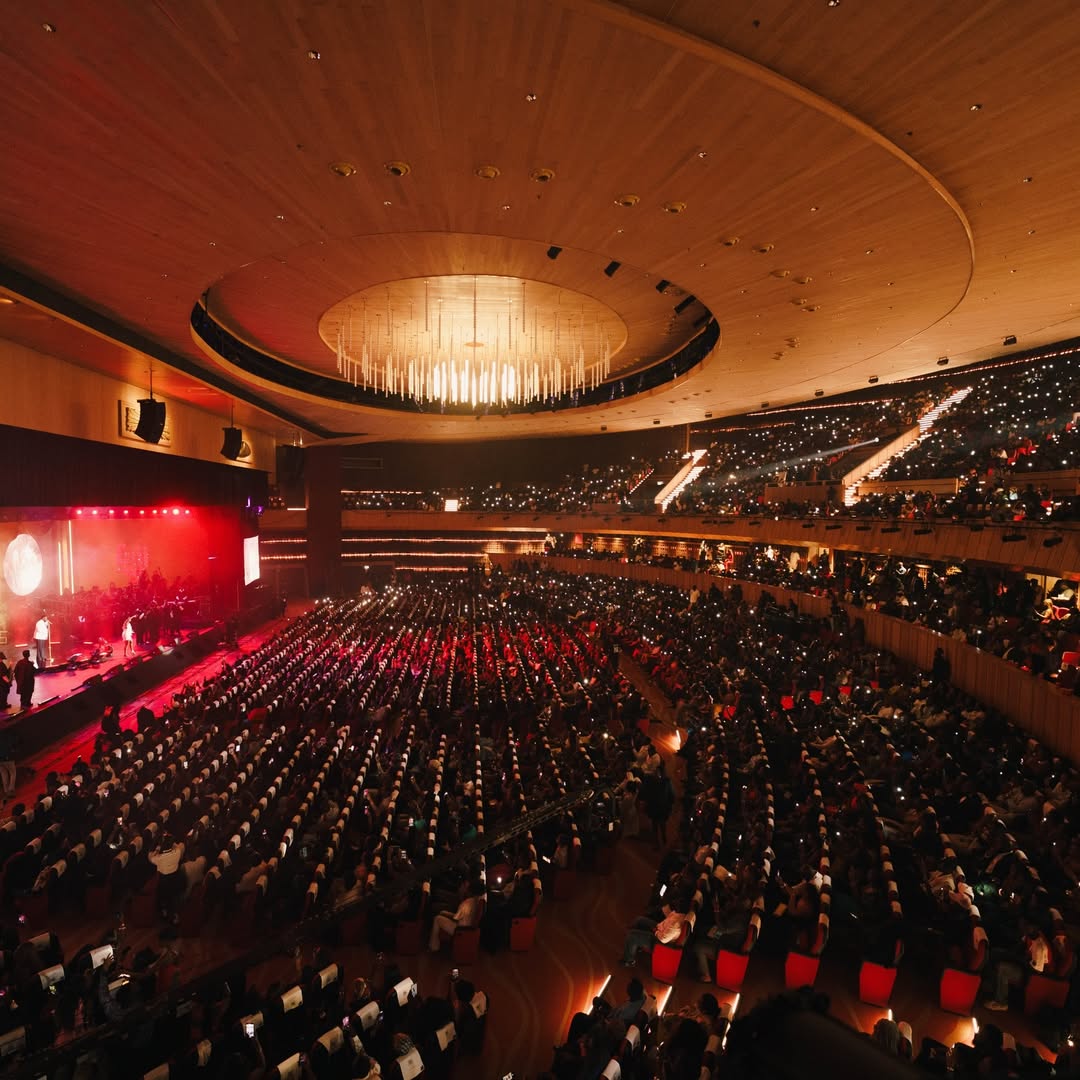
For years, it delivered. The venue hosted stage plays, concerts, film premieres, and festivals that shaped Nigeria’s creative memory. Older generations still speak of it with nostalgia.
Then came the quiet years. Programming thinned out. Infrastructure deteriorated. The building remained iconic, but its relevance faded.

The recent renovation, funded by the Bankers’ Committee, has shifted that narrative. Billions of naira were invested in restoring the structure and installing systems designed to achieve long-term sustainability. In December, a sold-out Adekunle Gold concert marked the venue’s symbolic reintroduction to a new generation.
Now, as anticipation builds around what comes next, Adetola Akerele, sat down with Guardian Life to outline her plans for programming, industry collaborations, and long-term positioning.
She emphasised that her mandate extends beyond the landmark in Lagos. The National Theatre is not just the complex but also an agency under the Federal Ministry of Arts, Culture, Tourism and the Creative Economy. As such, her role is national in scope, stewarding a platform that represents Nigeria’s creative identity, supports practitioners across the country, and advances the Ministry’s broader agenda.
Mrs. Adetola Akerele assumed office as General Manager of the National Theatre in 2024.
A NEW CUSTODIAN AT A DEFINING MOMENT
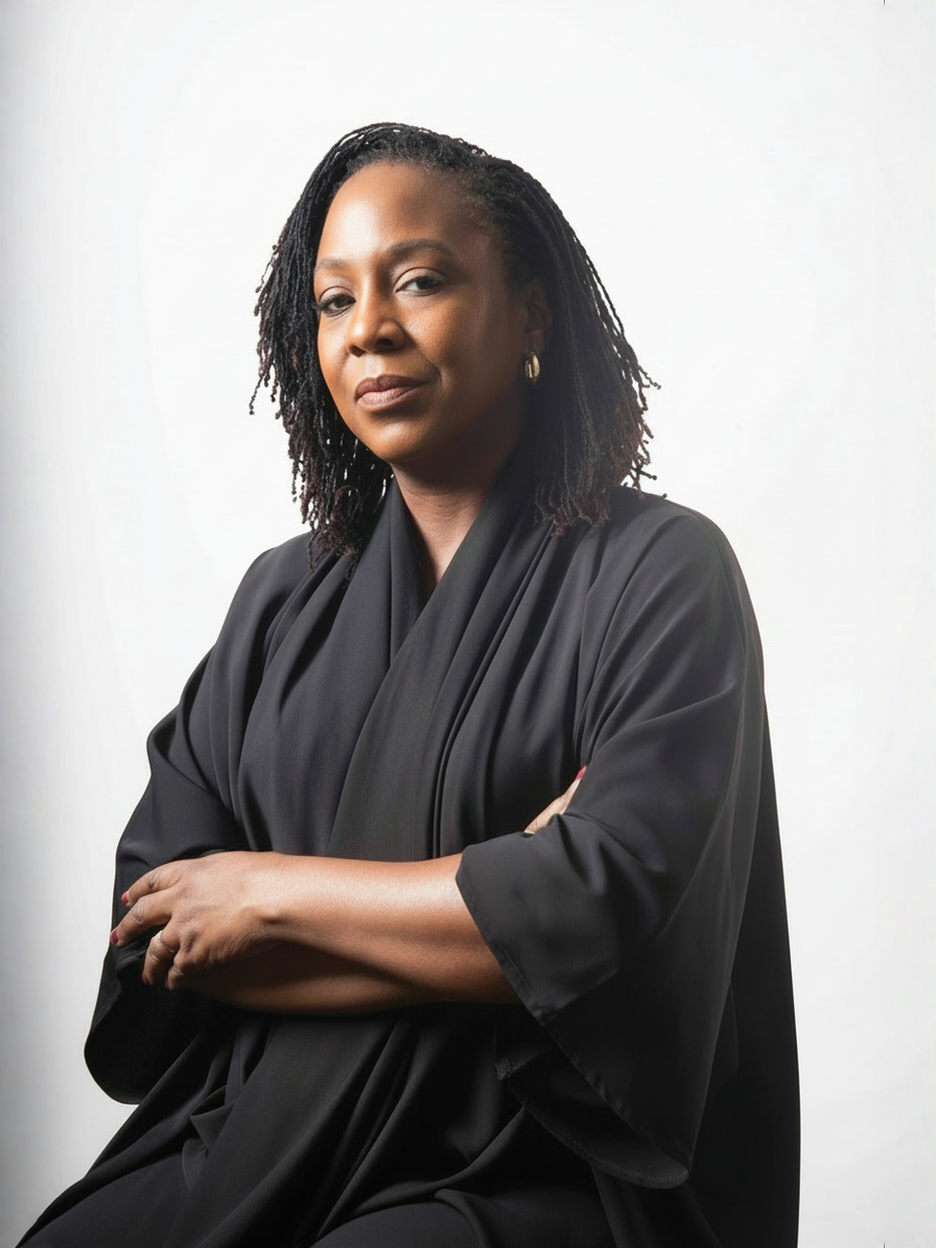
Akerele stepped into leadership at a time when anticipation was already building. The renovation had reignited public interest. Many Nigerians were waiting to see what the reopening would translate into.
Expectations, she admits, are high. The difference this time, she said, lies in structure and support. The Bankers’ Committee renovated the building and established a framework intended to make the complex financially and operationally sustainable.
HER PRIMARY FOCUS IS PROGRAMMING
According to Akerele, success will not be measured merely by attendance figures but by engagement. If producers choose to stage their work in the theatre, and if audiences are willing to spend their time and money within the space, then the revival is real. She believes programming must appeal to older Nigerians who remember the theatre’s golden years and to younger audiences encountering it afresh.
Everywhere she goes, she says, people recount memories of what the Theatre once represented. That nostalgia, in her view, is not a burden but an opportunity. The task now is to convert memory into renewed participation.
PROGRAMMING AS POLICY
When asked what will distinguish her leadership from previous administrations, Akerele avoids comparison. Different eras, she argues, came with different constraints. What sets the current moment apart is that the infrastructure is finally in place.
With the building ready to receive events from across the world, her emphasis is on what fills it.
Children’s programming sits high on the agenda. A musical is in development. An animation festival is returning. International partnerships are expanding. She recounts attending the International Society of Performing Arts conference, where she spoke about collaboration between the private and public sectors, a theme that reflects her own professional journey.
Speaking to Guardian Life, she says, the Theatre is still “finding its feet” after reopening. Yet the calendar is already filling.
This early stage, she said, is about setting direction. Concerts, productions, performances, festivals, and community engagement that reposition the complex as a consistent cultural hub.
EXPANDING ACCESS: THE ANIMATION FESTIVAL
One example of scale is the animation festival.
Last year, when held at Alliance Francais at the Adenuga Centre in Ikoyi, participation was capped at 70 children due to space constraints. Demand exceeded supply, and many had to be turned away.
The move to the National Theatre changes that dynamic. This year, participation is projected to increase to between 200 and 250 children. With access to cinema spaces and an exhibition hall, the experience can be expanded both in size and depth.
For Akerele, the festival reflects a commitment to capacity building, exposing young Nigerians to creative industries early and providing structured platforms for engagement.
RECLAIMING THE CINEMA SPACE
Beyond concerts and festivals, cinema is central to the Theatre’s repositioning. Nigeria’s film industry has grown rapidly, with the addition of private cinemas. The question is whether the National Theatre can realistically compete in that landscape.
Akerele believes it can, but not by attempting to do everything alone.
Her strategy is to work with experts who understand cinema operations and programming. The spaces, she notes, were constructed decades ago with scale in mind. Unlike many contemporary cinemas that prioritise multiple smaller screens, the Theatre’s cinema halls are larger and adaptable. That scale allows for multi-purpose use, from screenings to premieres.
Akerele rejected the idea of location, placing the National Theatre at a disadvantage. She describes the Theatre as strategically positioned, roughly 15 minutes from the Island and 15 to 20 minutes from parts of the mainland, depending on traffic conditions.
More importantly, she believes the building carries cultural weight that newer venues cannot replicate. Its grandeur and history, she suggests, give it an atmosphere that elevates events beyond routine screenings.
THE ADEKUNLE GOLD MOMENT
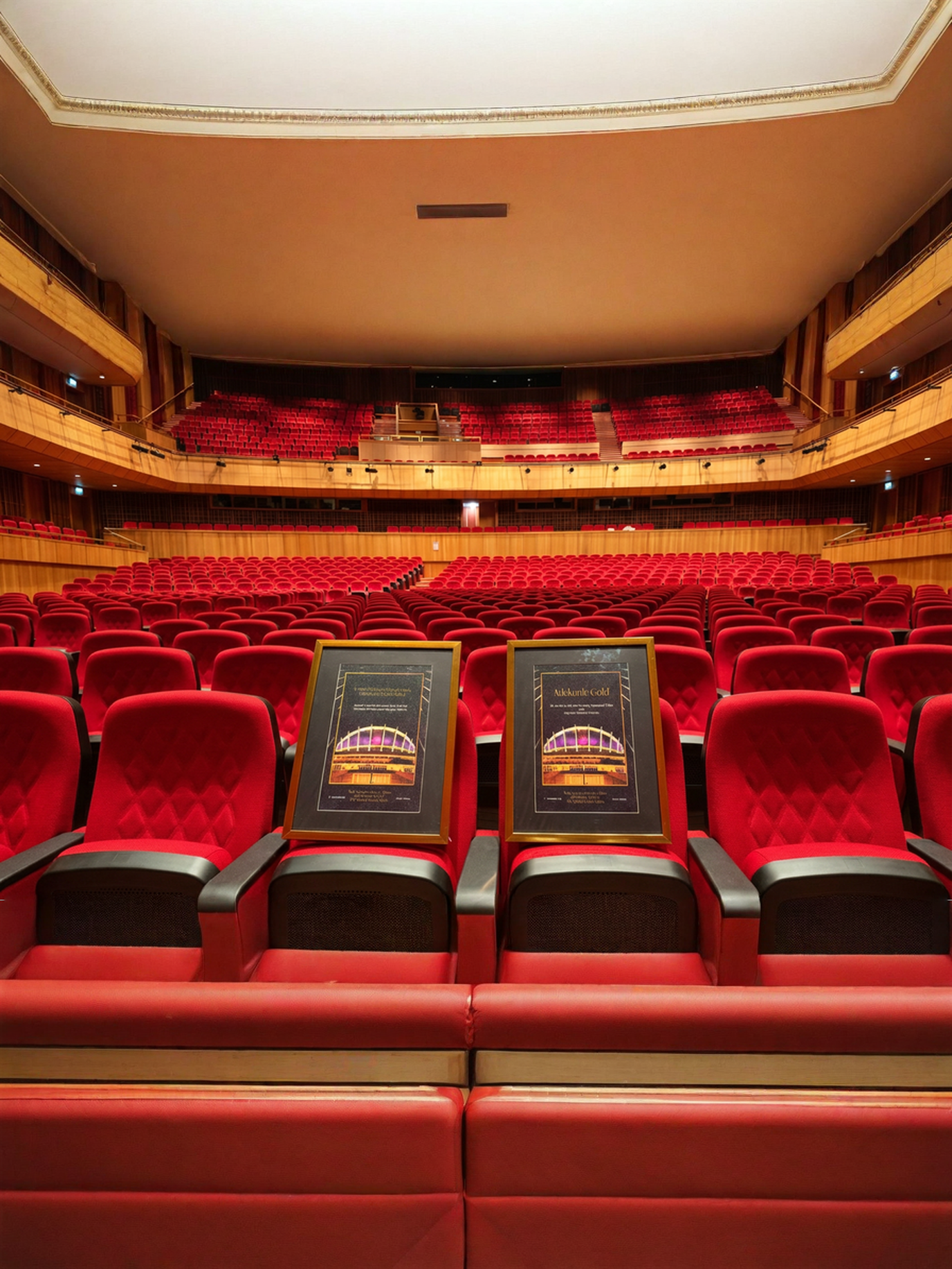
The December concert by Adekunle Gold became the first sold-out show in the newly renovated building. Management marked the milestone by presenting the artiste with a plaque. This is an uncommon gesture in the Nigerian entertainment landscape. For Akerele, the recognition was necessary. It signalled a new standard and documented a first.
She describes the concert as an ideal opening statement. Adekunle Gold, whose music reflects Nigerian experiences, had staged a similar production in the UK and sought to replicate that quality at home. The result, she says, set the tone for the kind of events the National Theatre intends to host.
The venue itself, she notes, was originally purpose-built for concerts. With a capacity exceeding 3,000 seats, it offers a scale uncommon even in parts of Europe, where theatre spaces are often smaller. The sound quality and production level during the concert reinforced her belief that the complex can compete internationally.
International visitors she has hosted have reacted with surprise at its size and grandeur. According to her, there is “nowhere else like it” when one considers both scale and architectural presence.
GOVERNANCE AND STRUCTURE
Akerele confirms that the space is open, but not without structure. While the external grounds present opportunities, activity within the main building is subject to stricter regulation.
A board now exists to make decisions about what kinds of vendors and activities are permitted. Visibility and maintenance are priorities.
COMPETING IN A CHANGED LANDSCAPE
The National Theatre’s revival unfolds within a transformed entertainment industry. Private concert venues, event centres, and cinemas have defined audience expectations over the last decade. The Theatre is not returning to the landscape of the 1980s or 1990s; it is entering a competitive, commercially driven market.
Akerele’s response is twofold: leverage scale and build partnerships.
The scale is undeniable: a 3,000-plus-seat hall, cinema spaces, exhibition areas, and extensive grounds. The partnership strategy is equally deliberate. From international performing arts networks to private-sector collaborators, she is attempting to position the Theatre within both local and global circuits.
FROM THE PRIVATE SECTOR TO PUBLIC LEADERSHIP
Akerele’s professional background sits largely in the private sector. Before assuming office, she worked within the creative industry and ran a creative hub known as +234Art Fair. Her foundation is in interior design and visual arts, these disciplines that shaped her networks and industry relationships long before she entered public service.
She now works under the Ministry of Arts and Culture, marking a structural shift in her career. The transition, she explains, was not disorienting in terms of content; she has always operated within the creative space. The adjustment lies more in navigating public-sector constraints, particularly around funding and bureaucratic processes.
Yet she views her private-sector background as an asset. Those networks allow her to mobilise support when needed. If the Theatre plans a children’s summer camp, for example, she can reach out to private-sector partners for backing.
Capacity building is a recurring theme in her vision. She speaks about structured efforts to strengthen skills within the creative community. Through partnerships including work connected to GIZ, the German development agency, programmes have been delivered in project management, costume design, narrative scoring for composers and research & development for theatre practitioners. Collaboration with a UK-based theatre organisation, Theatre 503, has supported scriptwriting and adaptation courses. In 2024, practitioners were engaged specifically to focus on playwriting.
These initiatives reflect a belief that revival is not only about hosting events but about developing talent pipelines.
EDUCATION, RETURN, CULTURAL CONVICTION
Akerele studied economics and politics in the United Kingdom. Before fully transitioning into the creative space, she worked in investment banks and was qualified in health insurance. Her return to Nigeria after roughly 20 years abroad was deliberate. While she describes her time in the UK as foundational and valuable, she says the energy in Nigeria drew her back.
The sense of being “with your people”, as she puts it, shaped her decision to stay and build within the country’s creative ecosystem.
After returning, she co-founded a firm that deepened her involvement in cultural initiatives. She also authored a cookbook centred on Nigerian food, another expression of her commitment to promoting Nigerian identity. For her, storytelling sits at the heart of cultural work.
LOOKING AHEAD: MEASURING SUCCESS
What then would success look like five years from now?
Akerele’s emphasis remains on engagement and programming. If producers consistently choose the National Theatre as a venue of first choice, if children’s festivals expand rather than contract, if film premieres become regular rather than exceptional, then progress is tangible.
The National Theatre once embodied Nigeria’s cultural confidence. Its decline showed how easily that confidence can erode without structure and investment. Its revival, still in early stages, is being shaped.