 Follow Us on Google News


 Follow Us on Google Discover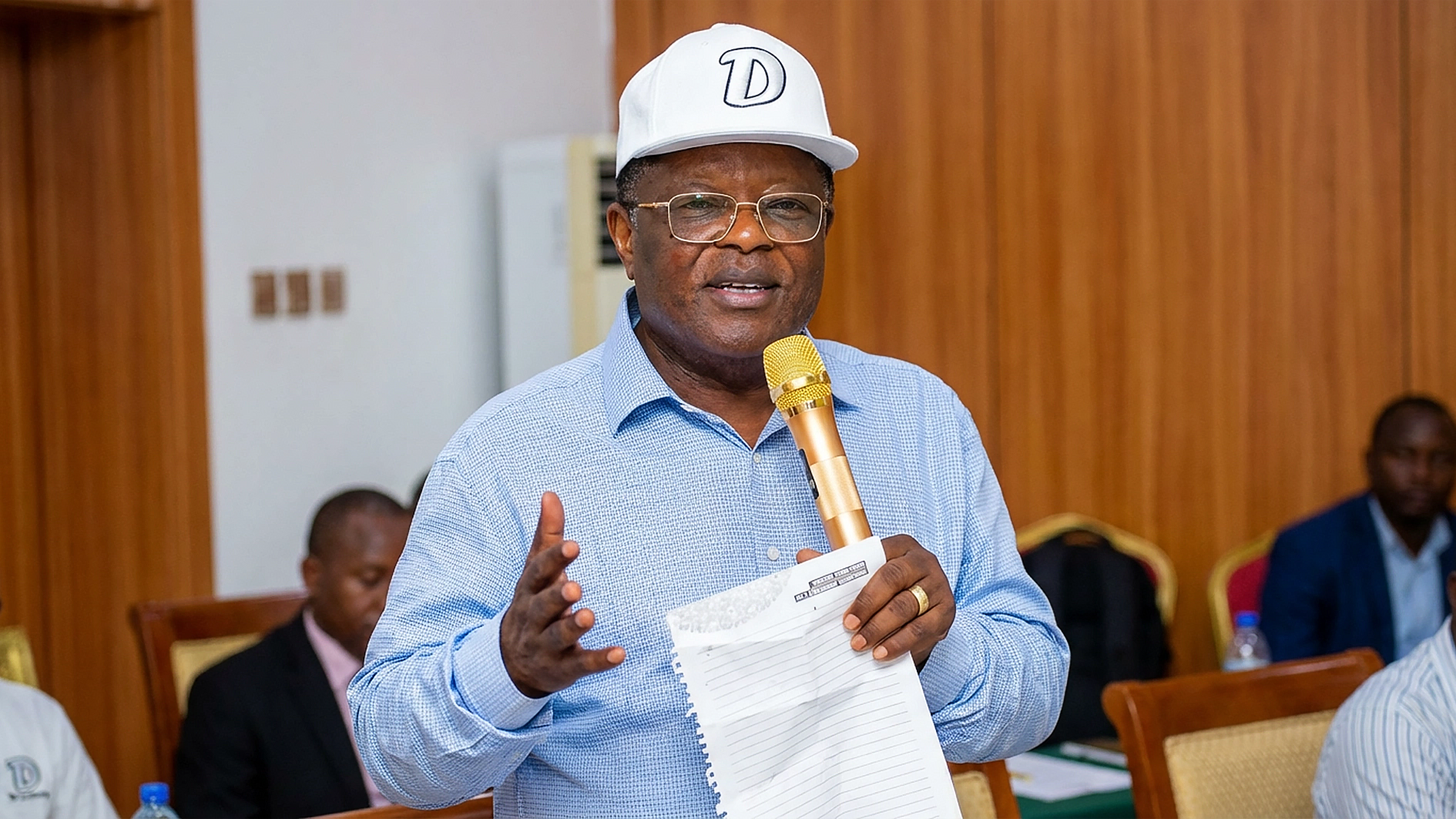
Minister of Works, Sen. David Umahi, has praised the performance of Nigerian indigenous contractors, saying it demonstrates significant growth in local engineering capacity. He expressed satisfaction with the pace and quality of work being executed by local firms on major federal highway projects initiated under President Bola Ahmed Tinubu’s legacy road programme.
Speaking over the weekend in Afikpo, Ebonyi State, during an inspection of ongoing works on a section of the Calabar corridor, Umahi highlighted that indigenous firms often continue work even before receiving mobilization payments, viewing themselves as partners in nation-building. He commended companies like Hitech Construction Company for delivering projects with professionalism and quality comparable to international firms.
The minister explained that the corridor forms part of the first stretch of the 465-kilometre highway project, designed to link southern Nigeria to the Federal Capital Territory (FCT), creating a strategic transport and economic corridor.
“The project begins from Calabar, stretches through Ndibe Beach, Afikpo, Amasiri, and Onueke, connects through South-South and South-East corridors, and eventually links to Ukwachi (Ndiebor Ishieke) and the old Enugu–Abakaliki road. From there, it continues through Mbeke Ishieke and terminates at the boundary between Ebonyi and Benue states,” he said.
He added that Section One covers approximately 125.5 kilometres with a contract value of about ₦454 billion. The Federal Government has already paid 30 per cent of the contract sum under the Engineering, Procurement, Construction and Finance (EPC+F) model, while contractors source the remaining 70 per cent through financing.
Constructed with concrete pavement technology, the minister said the highway is designed to last up to 100 years with minimal maintenance.
The project includes major bridge infrastructure, including a 25-span bridge of about 700 metres and another bridge measuring approximately 1.5 kilometres.

Umahi expressed optimism that the project could be completed earlier than the official 36-month timeline if the current pace is maintained. “If the contractors continue at this speed and the timeline is extended by about nine months, the project can be completed ahead of schedule,” he said.
He noted that about 11 kilometres of dual carriageway have already been completed along parts of the corridor and directed contractors to establish an additional concrete production plant at Onueke to accelerate work from multiple fronts.
The minister also urged Nigerians, particularly youths, to contribute positively to national development and avoid abusive commentary on social media, warning that insults and negative engagement do not contribute to nation-building.
He stressed that the success of national infrastructure programmes requires cooperation between government and citizens, noting that projects can only deliver their full benefits when communities support and protect them.
Umahi commended the role of state authorities in facilitating projects, particularly in resolving issues related to compensation for affected properties.
He praised the Ebonyi State Government for paying compensation to property owners along some project corridors, making it easier for contractors to commence work, and disclosed that additional compensation payments are being processed for property owners affected by planned road expansion and dualization works.
Highlighting the broader impact, Umahi said the legacy road projects are designed as economic corridors that will enhance connectivity, security, and stimulate industrial and regional development across the country.

