 Follow Us on Google News
 Follow Us on Google Discover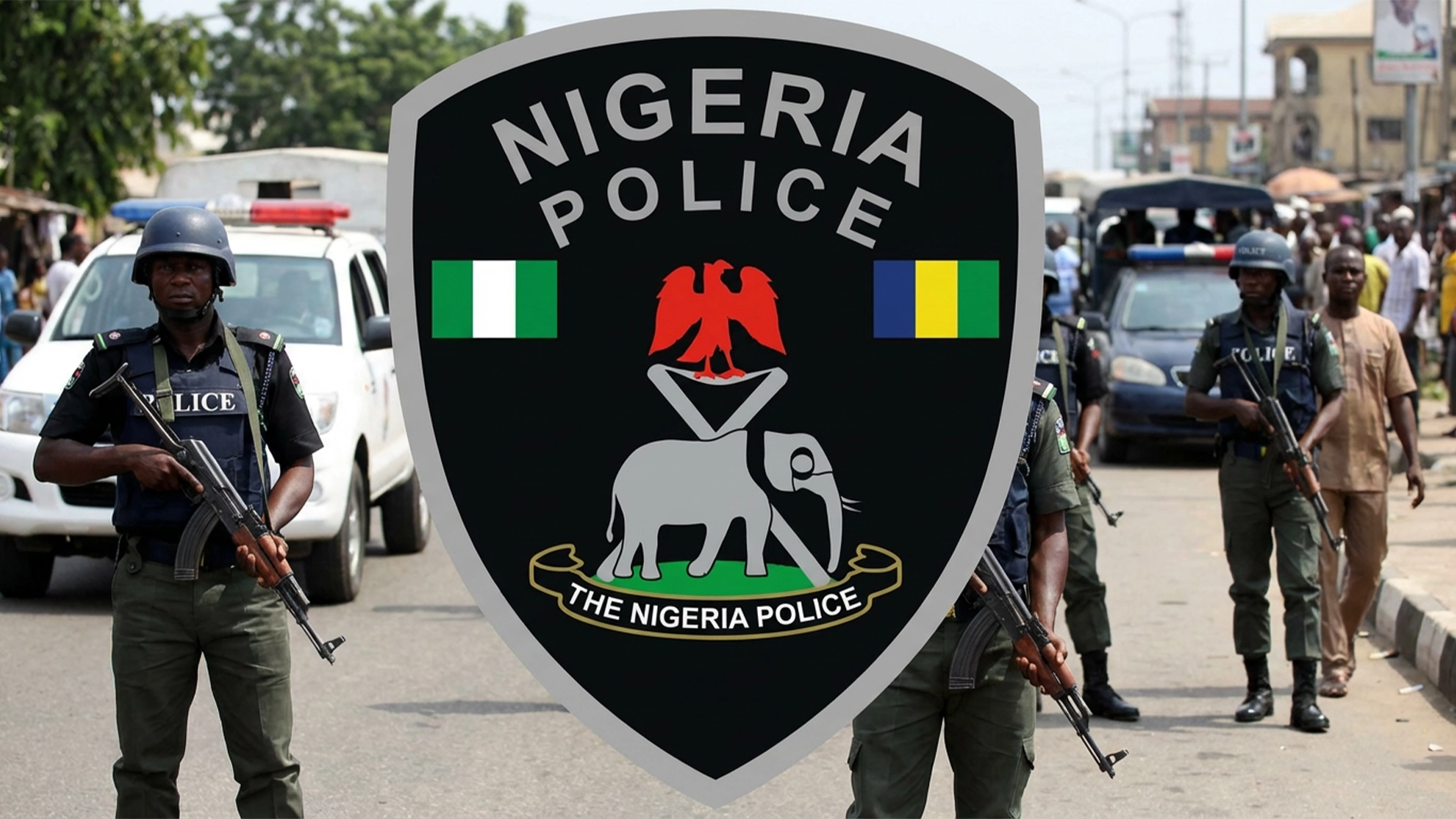
The push for the establishment of state police in Nigeria gathered impetus on Tuesday as the Deputy President of the Senate, Barau Jibrin, said citizens’ concerns would shape the final framework.
Barau gave the assurance in Abuja while receiving members of a steering committee constituted by the Nigeria Police Force (NPF) to design a roadmap for state policing.

Also, Benue State Governor, Hyacinth Alia, declared full support for state police, stressing that governors must have operational control of security structures to effectively safeguard their states.
The NPF committee, inaugurated on March 4, 2026, by the Inspector-General of Police (IGP), Olatunji Disu, is expected to develop a structure that will guide the creation and operation of state police nationwide.
Led by its Chairman, Olu Ogunsakin, the delegation briefed the Deputy Senate President on its mandate and sought legislative collaboration to strengthen its recommendations.
Barau, who also heads the Senate Committee reviewing the 1999 Constitution of Nigeria, responded that the success of state policing would depend on strong accountability measures and public trust.
He noted that many Nigerians had expressed reservations about the initiative during recent Constitution amendment hearings, stressing the need to build a system that prevents abuse and inspires confidence.
“We must create a structure that guarantees safety while addressing the fears raised by citizens,” he said, adding that public enlightenment would be critical to the reform’s acceptance.
Barau also commended the police leadership for aligning the initiative with the broader security agenda of President Bola Tinubu.
As part of its consultative process, the Senate committee had earlier held zonal public hearings across the six geopolitical zones, drawing input from a wide range of stakeholders.
The latest engagement signals increasing coordination between the legislature and law enforcement authorities, as the country explores decentralised policing as a potential solution to its persistent security challenges.
ALIA, during the flag-off of a six-day training for 300 personnel of the Benue State Civil Protection Guards (BSCPGs), said “the move aligns with efforts” by Tinubu to establish a legal framework for decentralised policing, describing it as a necessary devolution of powers in a federal system.
The exercise, organised by The Kukah Centre, in collaboration with the state government, was held at the Firing Range in Ikpayongo, Gwer East Local Council.
Represented by his deputy, Sam Ode, the governor described state policing as “an idea whose time has come”, noting that ongoing constitutional reforms would pave the way for its implementation.
Dismissing concerns that state police could be diverted to a political toll, the Catholic priest-turned-politician assured that proper legal safeguards would prevent abuse, insisting that the role of governors as chief security officers must go beyond theory.
Earlier, the Special Adviser to the Governor on Security and Internal Affairs, Joseph Har, disclosed that the state had already trained 5,000 personnel, positioning Benue as a frontrunner in community-based security.
“We are a federating nation, and federating units should have self-determination on security,” he said.
The Project Manager at The Kukah Centre, Terseer Bamber, added that the training would strengthen operational capacity and ensure that personnel acted within constitutional limits.
“At the end of the exercise, we expect a more resilient force capable of supporting conventional security agencies,” he said.

