 Follow Us on Google News
 Follow Us on Google Discover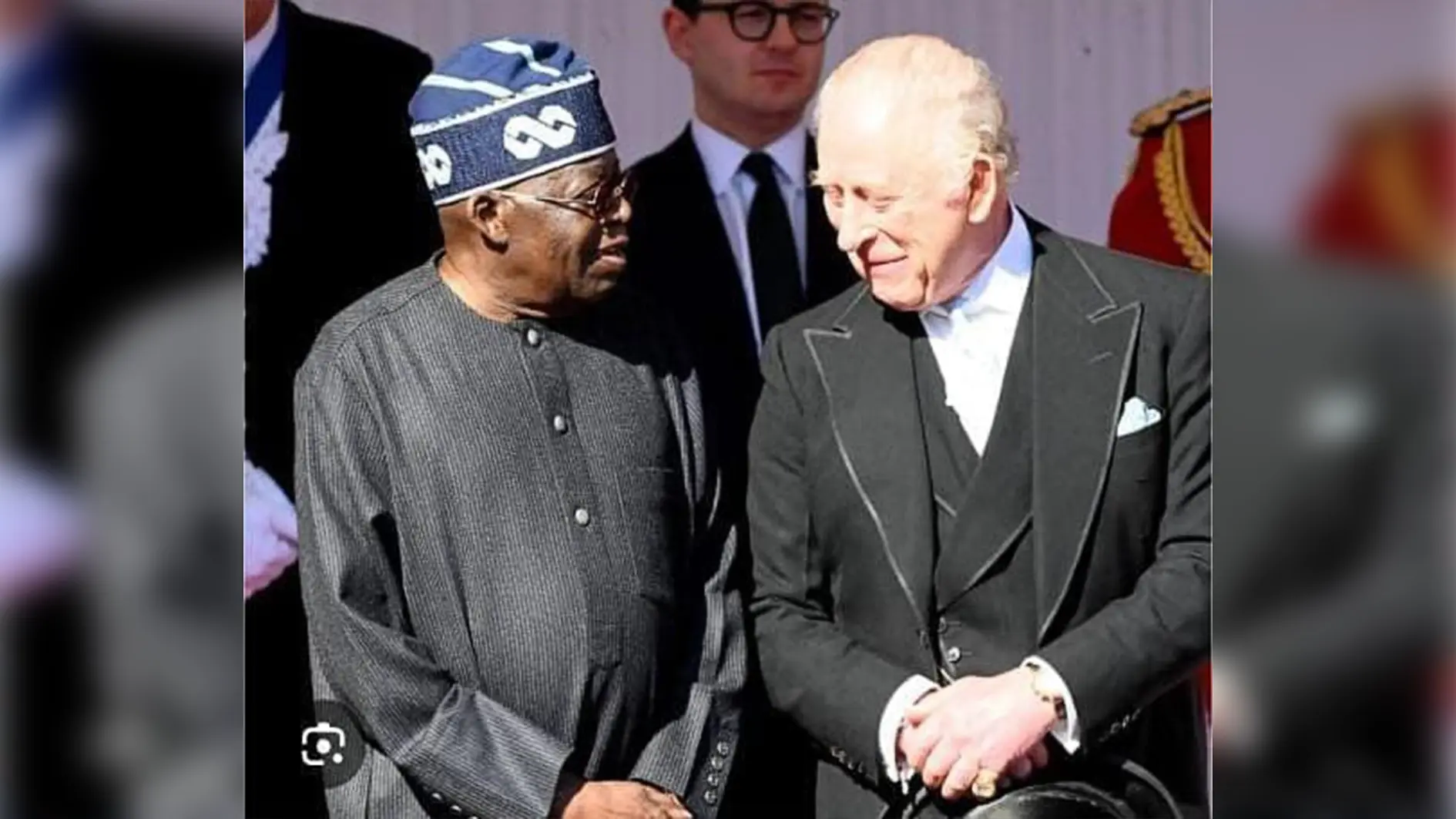
An economist, Prof. Akpan Ekpo, has said the Nigeria-United Kingdom (UK) port deal would not benefit Nigeria, stressing that it would rather leave the country in debt.
Ekpo was responding to the recently signed Memoranda of Understanding (MoUs) between the two countries when he appeared as a guest on Arise Television yesterday.
But the Chairman, Senate Committee on Inter-Parliamentary Affairs, Jimoh Ibrahim (Ondo South), commended President Bola Tinubu over his recent diplomatic engagement in the UK, describing the visit as a strategic move that reinforces Nigeria’s global relevance.
On his part, lawyer and activist, Femi Falana (SAN), said the three MoUs Nigeria signed with UK to strengthen bilateral cooperation would not fly.
The agreements cover a migration partnership, cooperation on organised immigration crime and border security, and a statement of intent to expand business visas for UK companies operating in Nigeria.
Airing his opinion, the economist said, “The British government is very clever. They’ve turned economic diplomacy upside down and reinforced our neo-colonial status. The rehabilitation deal for Apapa and Tin Can ports will only benefit the British economy. It will revitalise their ailing steel industry and enhance their banks, leaving Nigeria in debt. Even the job creation will benefit the British, not Nigerians.

“So, my view is, aside the glamorous reception, they should have allowed the experts. We have the Investment Promotion Commission working on this deal. If you go further, all the equipment needed to renovate the ports and so on will all come from the British government. So really, there’s no much gain for Nigerians.”
He said the deal could increase Nigeria’s debt burden, warning that the projected job creation would largely benefit British workers rather than Nigerians.
IN a statement issued in Abuja, Ibrahim noted that the President’s outreach came at a critical time in global affairs, where international relations were shaped by a mix of competition, cooperation and emerging ideological divisions.
He noted that the current geopolitical climate “reflects signs of a re-emerging global polarity”, requiring countries to adopt deliberate, collaborative diplomatic strategies.
According to him, Tinubu’s engagement underscores Nigeria’s readiness to navigate the evolving global order with foresight and balance, while maintaining its commitment to multilateralism and dialogue.
The lawmaker also highlighted the diplomatic significance of the President’s interaction with the British monarchy under Charles III, noting that it reaffirms longstanding historical and institutional ties between Nigeria and the UK.
DURING Tinubu’s state visit to the UK last week, it was announced that some agreements were signed by the two countries.
In particular, the Migration Partnership Agreement is aimed at fast-tracking the return of Nigerians with no legal right to remain in the UK, including failed asylum seekers and foreign criminals.
For Falana, while the ‘Agreement’ is being presented as a win for border control and bilateral cooperation, it clearly risks sacrificing due process, constitutional safeguards and human rights in the name of administrative convenience.
“In the first place, the use of the ‘UK letters’ to return Nigerians is not and cannot be a substitute for proper travel documents. While the use of such letters may theoretically remove bureaucratic delays, it is fundamentally at odds with international human rights standards, as it, for example, lowers the threshold for deportation—potentially allowing individuals to be removed without proper verification of their identity or nationality. This raises the risk of wrongful or arbitrary deportations.
“The Agreement also lacks fair trial guarantees and is inconsistent and incompatible with the provisions of the Nigerian Constitution 1999 [as amended], which is the right to a fair hearing, as it appears to facilitate removals without ensuring that affected individuals have had a meaningful opportunity to challenge their deportation. It also sidesteps established processes for verifying citizenship, raising the possibility that individuals could be wrongly identified and returned.”

