 Follow Us on Google News
 Follow Us on Google Discover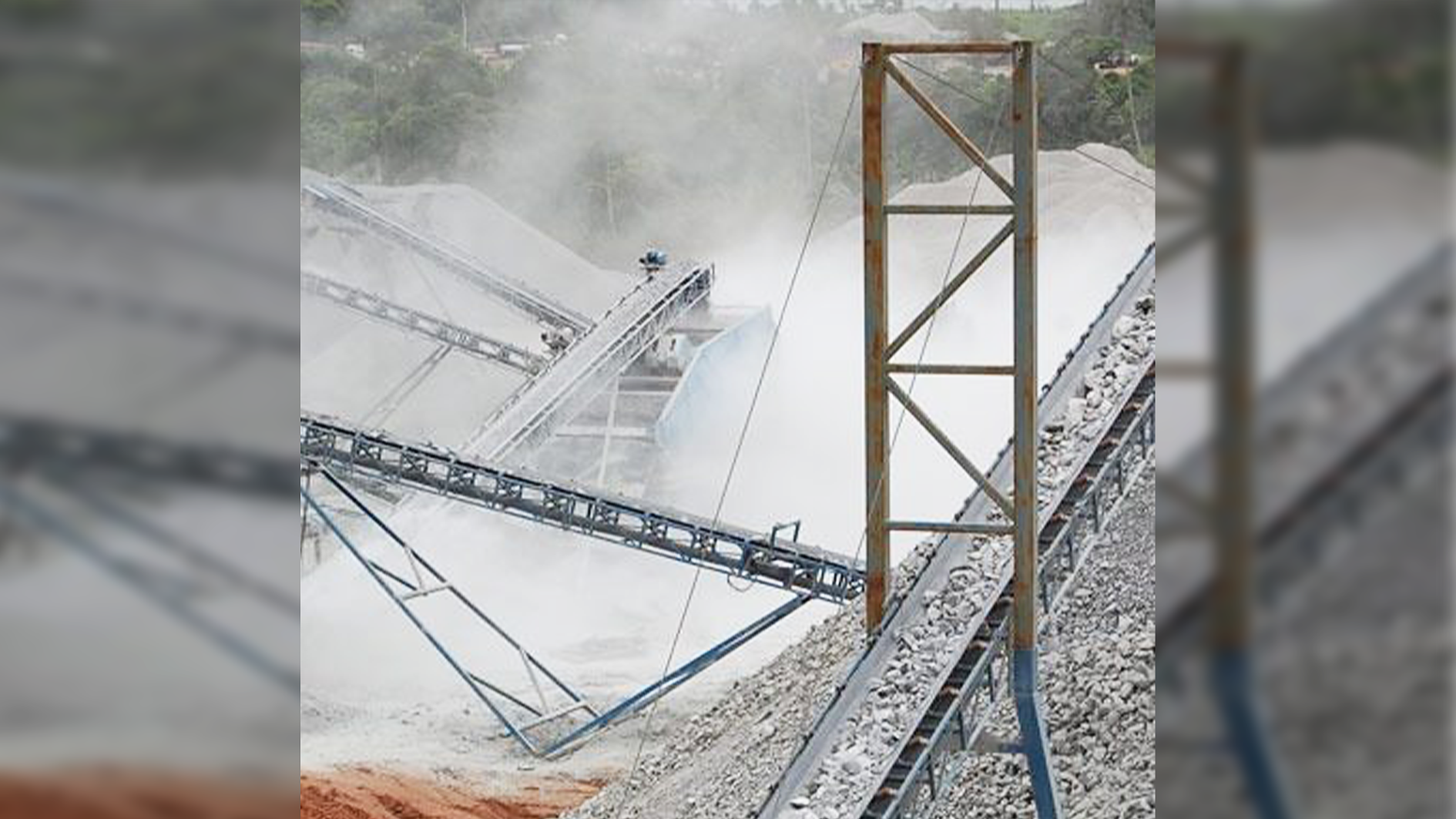
For inhabitants of Kajola, Obafemi Owode Council of Ogun State, the presence of stone quarry companies has made life a living hell. For nearly 13 years, the community has endured cracked homes, contaminated water, failing crops, and widespread illness. With calls and appeals for help falling on deaf ears, the resident recounts their ordeal in this report by DAVID MESHIOYE after three excruciating visits.
Kajola Village in the northern part of Ogun State is a small town perched at an altitude of 100 metres. It is one of the poorest regions in the state, with roughly about 1,000 inhabitants. Virtually forgotten by the rest of civilisation, the only connection to the outside world is the dusty and bumpy road from the state capital, Abeokuta, and Imeko, 41.4 kilometres away.
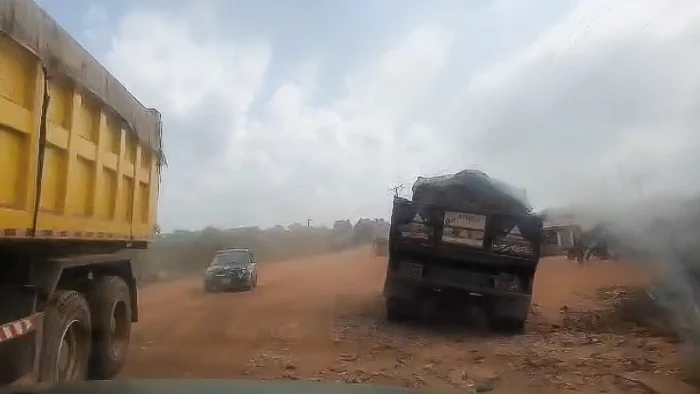
The drivers who venture onto the road compare it to an unpitying goddess who demands her share of sacrifices. It is either a vehicle develops faulty engine or tires punctured on the road that is dotted with dangers. Flying rocks from stone quarries nearby and deep gullies make each journey a lottery. The two-hour journey from Abeokuta is always a living hell, with each kilometer defying death.
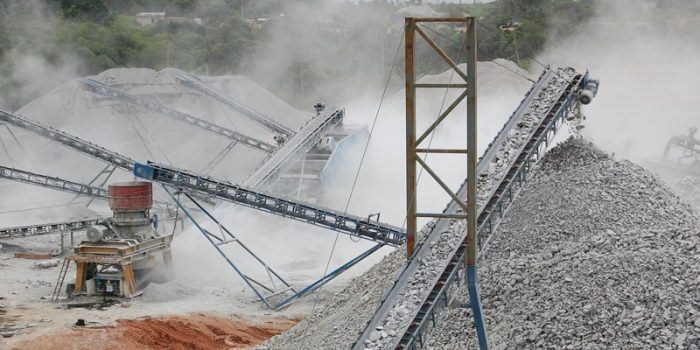
Air pollution, especially dust from quarry sites, is alarming. Travelling there in the dry season is at your own risk, as you could return with all sorts of respiratory challenges.
Here, the community is commonly known by the name dusty village. It is that bad.
Death By Engine Roller
If you’re driving or walking on this dangerous road, you will likely be stopped to allow stone quarrying company to break their rocks. But on December 10, 2022, Kajola village woke up to its usual dusty new day with high hopes, and Mr Taofeek Oke could feel the cool breeze of early morning on his face as he headed out to the farm on that fateful morning.
Abandoned by his wife when his two children were just four and five years old, he toiled day and night to raise them. Popularly known as Baba Elewedu, he navigated confidently through the forest despite not being able to see his dusty surroundings in search of his daily bread. Little did he know that he was about to witness an event that would change not only his life but that of the entire village.
On this fateful day, by 1:00pm, as he settled down to have his first meal after selling off his Egyptian spinach (Ewedu) and vegetables at the market, he was called to an emergency meeting by friends and family.
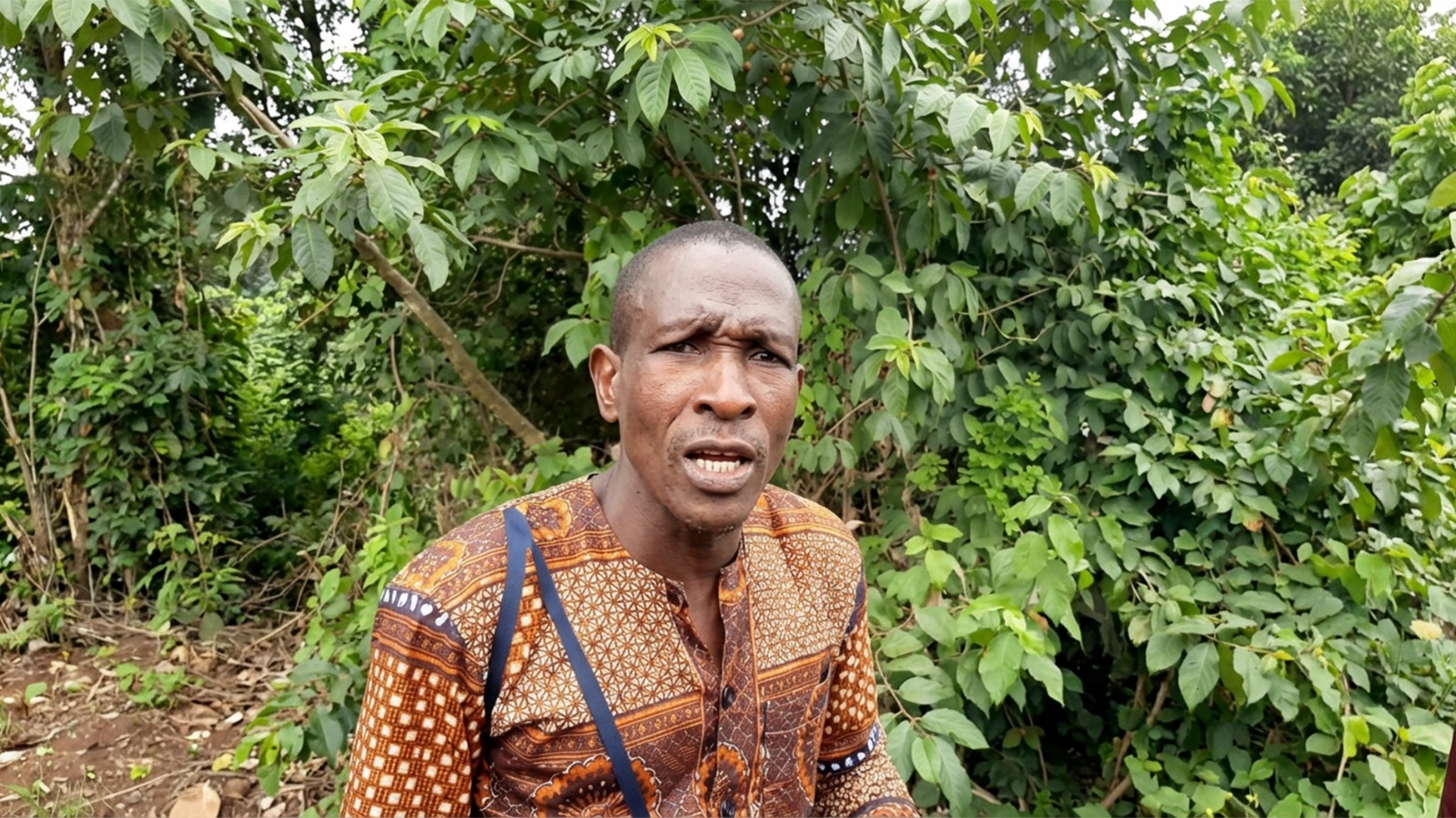
never knew my son, Michael, had an accident that morning while I was selling my spinach (Ewedu) in the market,” began elder Taofeek. “I realised that passersby kept staring at me, which was just normal. It was when I was about to eat that I received a call from my friends and brother that I must come for an emergency meeting.
“To cut the long story short, I was told that my son slept on a conveyor bed since the company was out of operation for three weeks. It is a usual practice for workers to sleep on that bed when they’re not working. Ordinarily, an alarm will be sounded before work commences to alert sleeping workers to vacate the scene, but on this fateful day, no alarm was sounded. The light was switched on and the machine threw my son inside the engine roller, and he was crushed to death,’’ Taofeek narrated, amid tears.
The town stood still as heartbroken villagers wailed uncontrollably over Michael’s gruesome death. Loved and adored by friends and family for his humility, the youth took the law into their and vowed to raze down M Plus Quarry. It took the timely intervention of the deceased father to pacify the angry youths.
“It was a devastating blow. Then my family member rose and vowed to fight, while the youth vowed to burn M Plus Quarry, but I pleaded with them not to destroy the company. The deeds had been done already. If it means selling my house to treat him, I would gladly do it, but there is nothing I can do now that he is dead.”
The entire family then demanded compensation, but he told them in clear terms that he is not going to collect a dime from the company over his son’s death, but they insisted the company must compensate the family.
“I later heard that the company dropped N5 million to pacify the family.”
Sent to his early grave over a miserably low salary while buying time for his university admission, Michael’s dream, according to elder Taofeek, is to become a medical doctor. He opted to work as a casual worker at M Plus quarry rather than idling away at home. He was determined to become successful in life and, above all, prove to his mother how wrong she was to have abandoned them as a toddler. Little did it occur to him that dreams do turn to ashes, and that his mother will be back to claim compensation from his death.
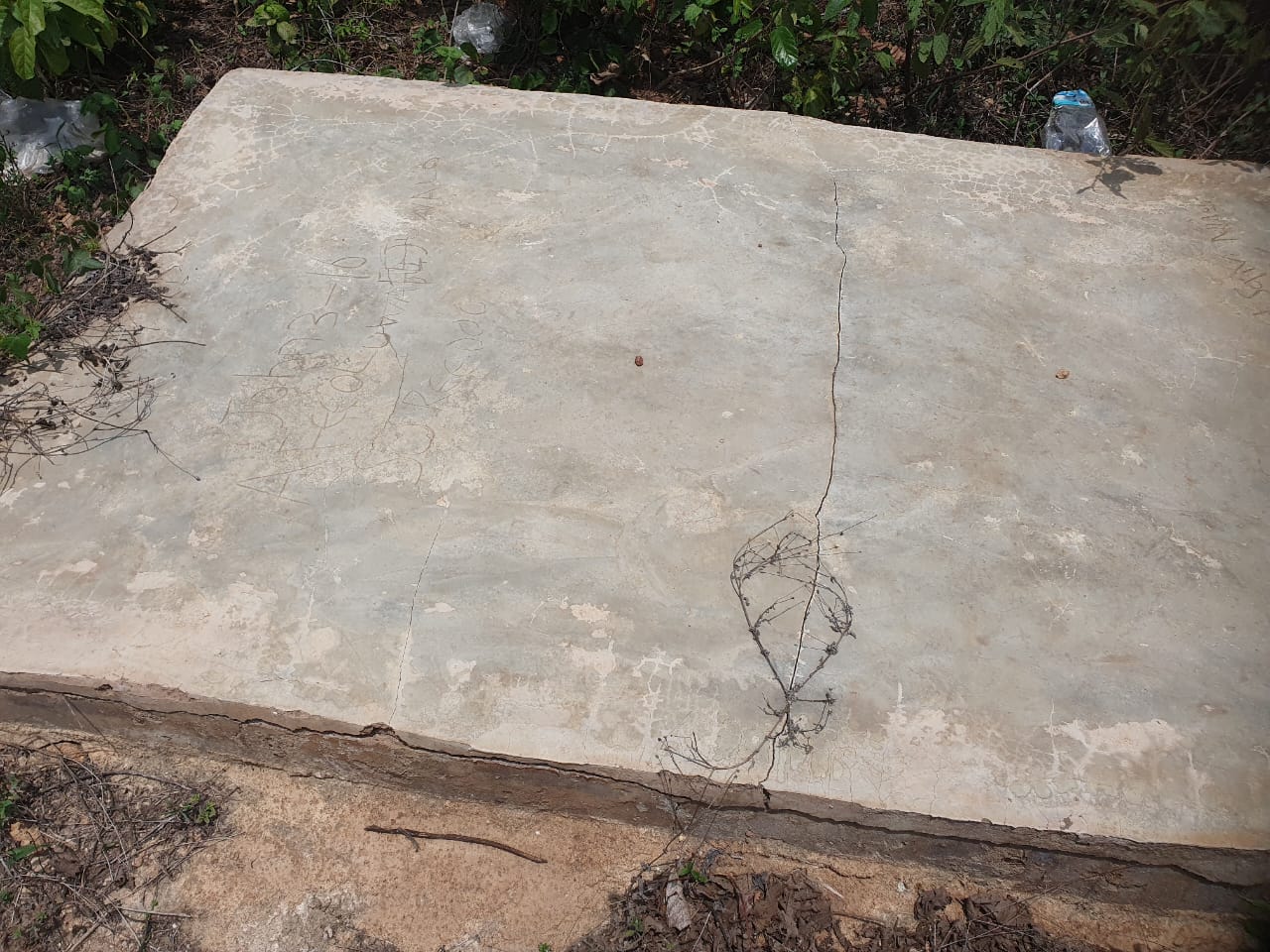
She eventually returned, demanding N3 million from the N5 million compensation paid by M Plus Quarry. That was when hell was let loose as she threatened to drag her old in-laws to radio station if her demands were not met.
“Two weeks later, she just emerged from the blues and demanded N3 million, but I told her I have nothing to do with the money. She said the sister will pocket N1.5 million for supporting her education, while the remaining 1.5 million will be hers. This woman abandoned these two children when they were in nursery school, but I took it upon myself to raise them from nursery to primary, secondary, up to the university level, where the elder sister is now in Ibadan.
“I told my family member to heed her warning since I cannot stand dragging for money while I mourn my late son. We had to pay friends and youth who buried him, while family members who fought for the compensation cannot go empty-handed either. My ex-wife collected the N3million and left. N1 million was shared among youths, friends, and family, while the remaining N1 million was kept in a fixed deposit, which I will never touch.
“The money will be used for something that will signify his memorial at my preferred year because he was always feeding and taking good care of me when he was alive,’’ he said with tears welling up in his eyes.
Speaking further, Mr Taofeek expressed disappointment at the staff and management of M Plus Quarry for not showing up in his residence to commiserate with him. ‘’I guess it was largely because they felt compensation had been paid. I wish my extended family did not collect that money from them,’’ he said.
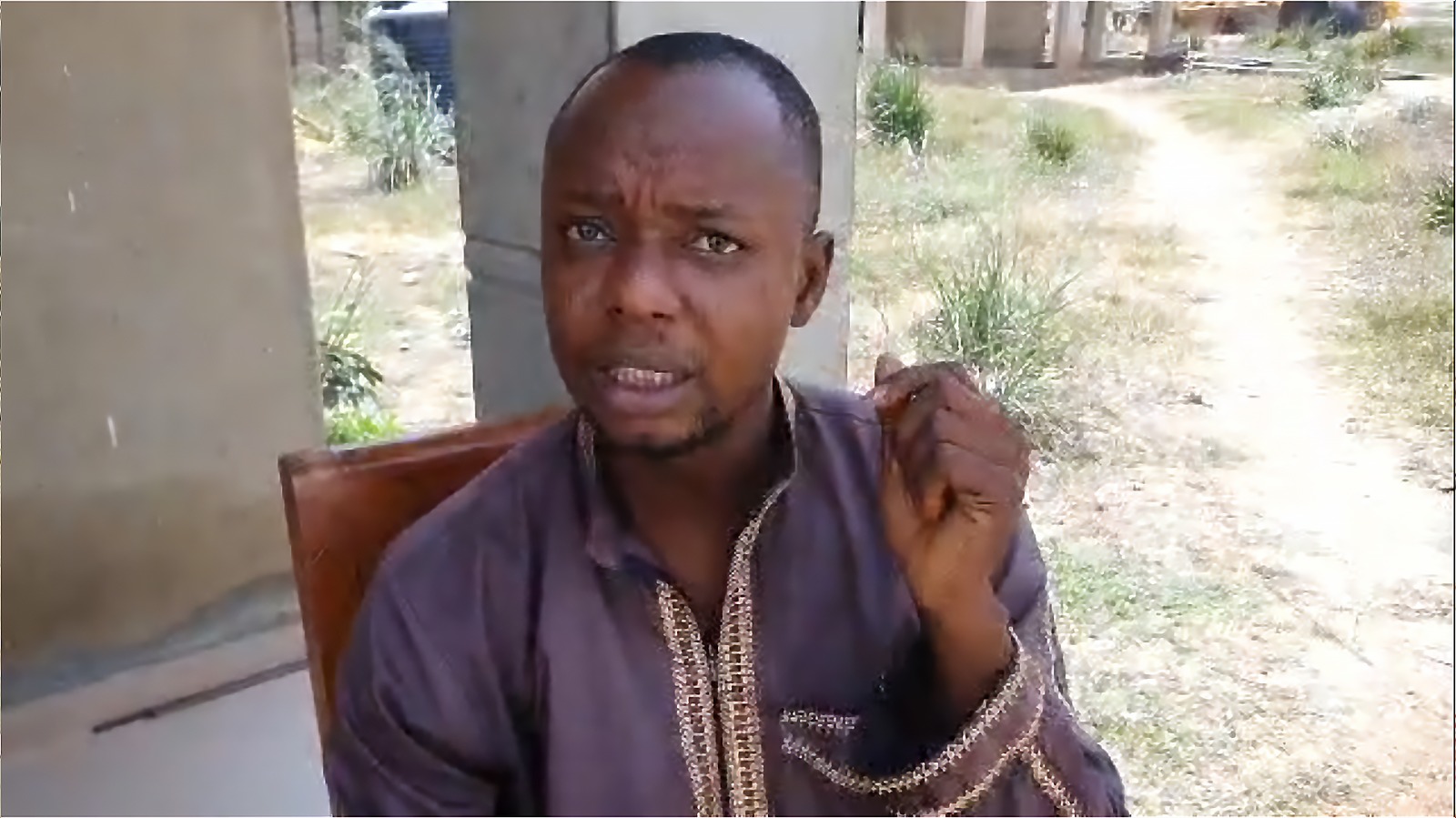
When the reporter visited the Mplus quarry, the company’s General Manager and Site Engineer, Olufowobi Samsudeen, provided a detailed account of the circumstances surrounding Michael’s death.
He said the fatal incident occurred on December 10, 2022, following a technical fault in the company’s crusher plant, which halted operations earlier in the day. “Work could not commence that morning due to a fault in the crusher plant,” he explained.
“By the afternoon, we needed to load a truck, and after waiting unsuccessfully for public power supply to be restored, we decided to run the generator.”
According to him, preparations were underway to resume crushing operations at the secondary unit, with coordination carried out among supervisors.
“I communicated with other managers via walkie-talkie, and we agreed to power the system in readiness for stone crushing, which is standard procedure,” he said.
“Within minutes, I heard a sudden shout, and workers began running towards me. We rushed to the backyard, where we found Michael lying in a pool of blood. It was at that moment we realised he had been sleeping beneath the conveyor belt.
“He was immediately taken to a nearby clinic, but sadly, he was pronounced dead on arrival.”
The company, he said, promptly alerted the police, after which the body was deposited in a mortuary and the family notified.
“During a search, Ogun police found tramadol tablets in his pocket. Following the incident, the company engaged the family in a series of discussions and paid ₦5 million as compensation. We also took responsibility for the burial,” Samsudeen added.
While noting that the deceased had not previously been caught using drugs, he said his unusual physical stamina had often raised curiosity among colleagues.
“In hindsight, the discovery of the tablets suggested he may have been using substances, possibly to enhance his strength,” he said.
He added that the tragedy led to a review of operational safety measures at the quarry. “It was a painful lesson. We have since introduced alarm systems before any crushing activity begins to ensure no one is within dangerous zones. I also urge young people to stay away from drug abuse,” he said.
In a related development, another near-fatal incident has heightened concerns over safety around the quarry. Speaking to The Guardian, a mining engineer at A/B, Mr. Fatai Iyanda, said a lot is being done by his company to protect staff from industrial dangers, ensure host communities don’t suffer health hazards posed by flying rocks and vibration that comes with rock blasting.
Environmental Hazards
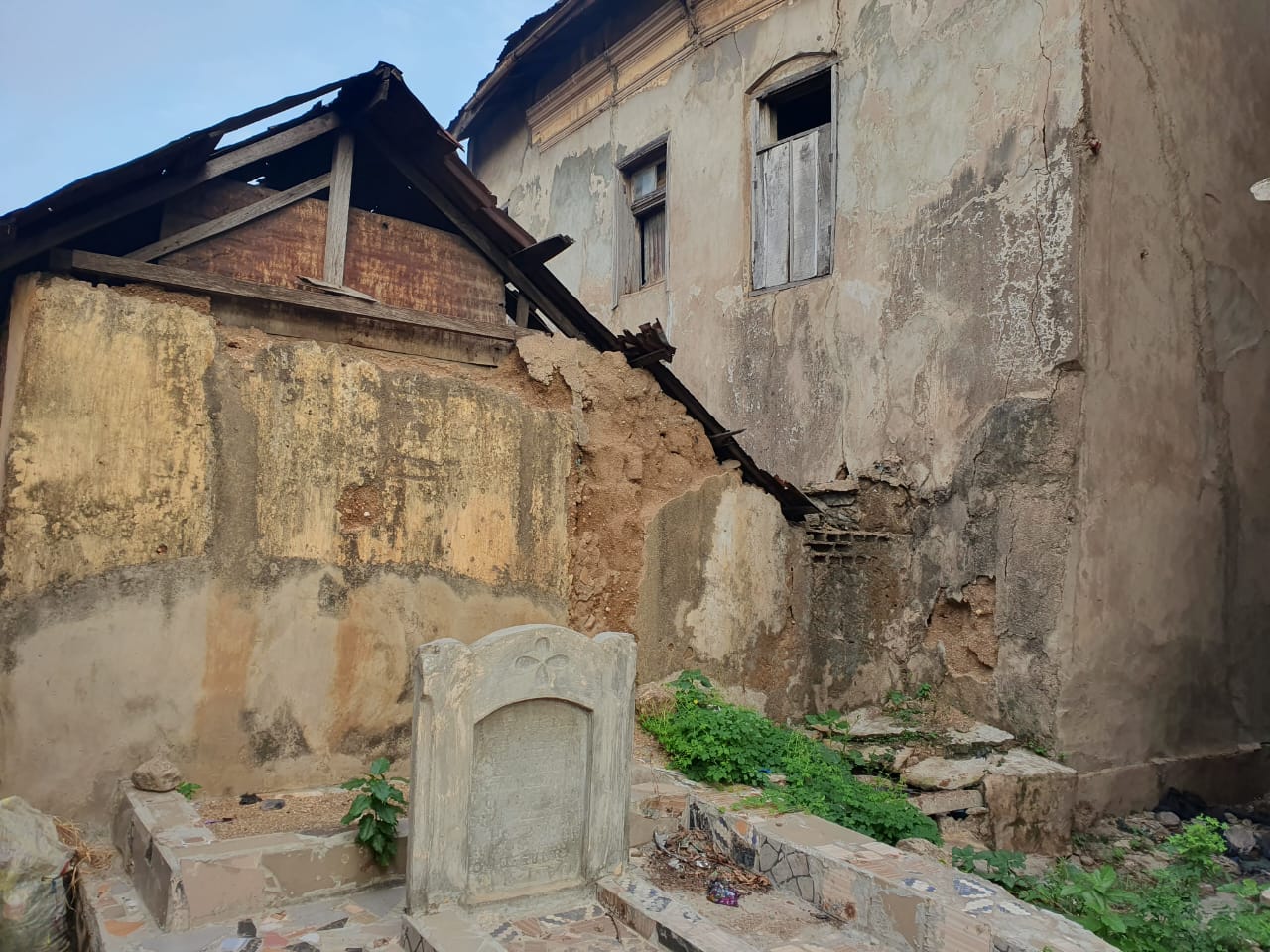
Employees are not the only ones suffering from the hazards that come with working in the quarry; neighbouring communities are not spared from the dangers of flying rocks that leave huge cracks on houses due to the use of dynamite during blasting.
Neighbouring communities that, ordinarily, should bask in the euphoria of having a big quarry company around them now live in perpetual fear of what might happen to them.
But in carrying out excavation and blasting of minerals, the company’s operations appear to violate its principles and even the provisions of the Nigerian Minerals and Mining Act of 2007 and 2011, as well as the Roadmap for the Growth and Development of the Nigerian Mining Industry.
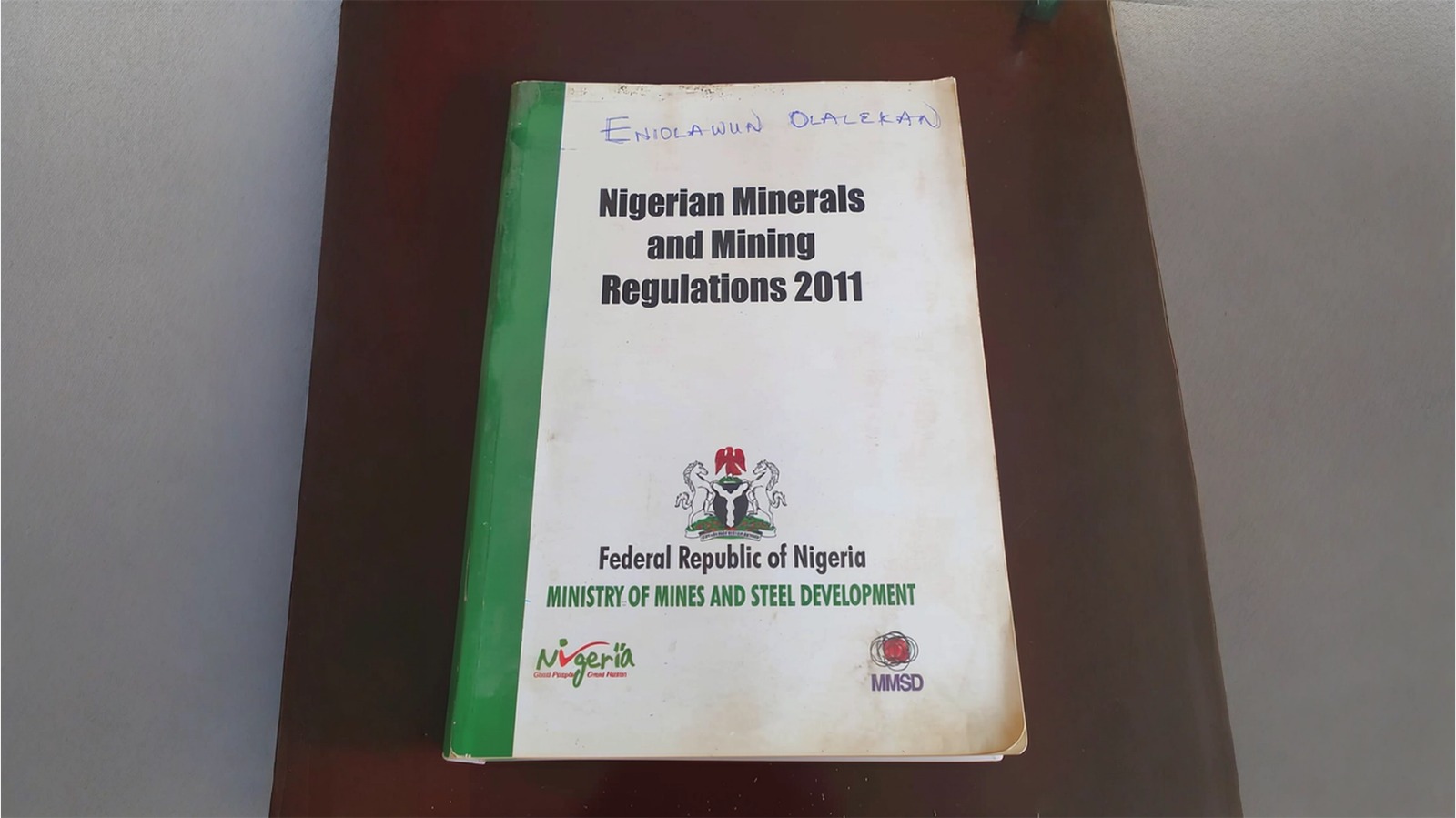
Section 118 of the Act states: “Every holder of a mineral title under this Act shall, as far as reasonably practicable, minimise, manage and mitigate any environmental impact resulting from activities carried out under this Act.”
The Act mandates an environmental impact assessment for mining and for mining and quarrying sites to ensure that mining operations are environmentally sustainable and do not pose a risk to the lives of residents.
The name Kajola translates as ‘’Let us succeed together’’ but a high number of giant quarry companies around the town is fast becoming a curse.
“We hardly sleep with our eyes shut because of the fear of flying rocks,” said Lucky Otache, an Idoma-born okada rider who found a home in the town 12 years ago,
“Many homes have been destroyed owing to vibration that comes with the use of dynamite to break rocks, and till today, nothing has been done to compensate us,” he said.
“Don’t even go there,’’ Mr Taofeek cuts in. Most of the homes in Kajola have been demolished by rock blasting; you need to witness how the ground vibrates when rock blasting is going on. Who do we complain to,’’ he asked.
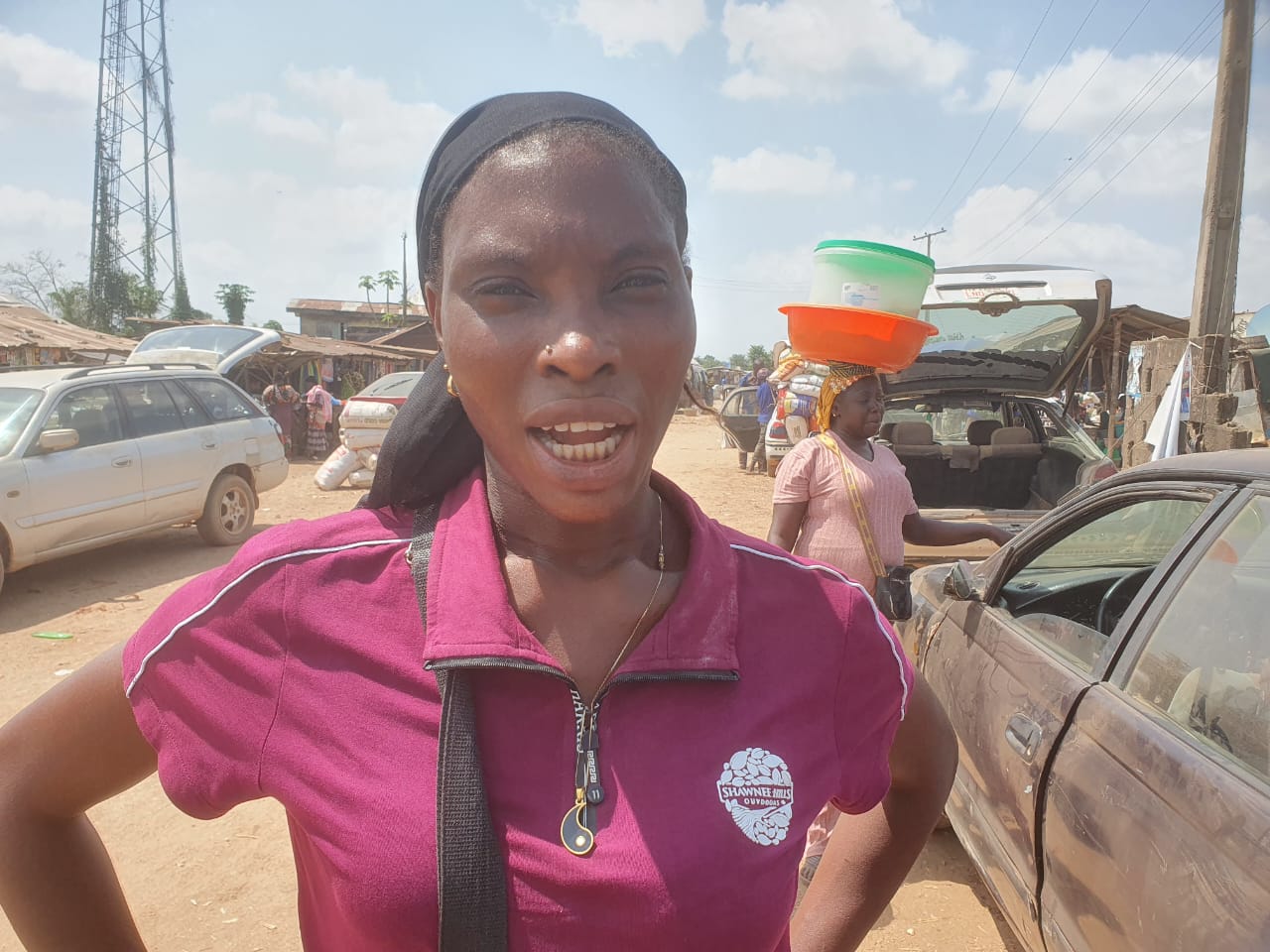
Mrs. Latifat, a garri seller who regularly travels to Kajola weekly market, recounted how she narrowly escaped death alongside her one-year-old child when a rock shattered the vehicle conveying them.
“I was on my way to Kajola with my baby when I suddenly heard a loud bang,” she said. “The windscreen of the vehicle shattered instantly, and I sustained cuts on my arm. That was when we realised rock blasting was ongoing.”
She expressed frustration, noting that she had taken precautionary steps before embarking on the journey. “It is my routine to confirm whether blasting will take place before I travel, and I was assured that nothing of such would happen that morning,” she said.
Describing the situation as dangerous, she called on authorities to act swiftly. “This must stop. The government needs to take urgent and decisive action to prevent loss of innocent lives on this road,” she added.
“Flying rock is one of our biggest fears and worries. We usually sound an alarm before blasting, and we usually evacuate residents in the nearest village to us, which is Ogbe Eruwon, to avoid dangers posed by flying rocks and vibration. It is my responsibility to return to the village and check if there are casualties or not.
“Talking about vibration that comes during blasting, we realised that most of these houses were old huts built with mud. They are mostly affected during our blasting, but what we do is to place each of the 20 houses under monthly stipends of N50, 000 each. Each house gets a bag of rice, while one cow is shared among each house during the Eid celebration.”
Such is the sad tale that is common among villages and towns that harbour quarry companies in Ogun State. On July 5, an engine roller at KAM Steel Integrated Company killed one of the employees of the company, Yahaya Ibrahim. The 27-year-old victim was said to have slipped on the machine at the company’s factory along the Sagamu-Ogijo Expressway in Ogun State.
Also, barely two months after the Ogun State government sealed Quantum Steel Industry following an explosion that left seven employees critically injured, another employee, identified as Abayomi, lost his life in an industrial accident. Like a death at dawn, host communities around quarry companies have lost their loved ones to the cold hands of death.
At Ogbagba village in the Obafemi Owode Council, Alfa Ganiyu sang the same lamentation song, saying: ‘‘Living around quarry has become a curse because the rate at which our homes are fast cracking up is quite alarming.
“A neighbour was sleeping peacefully on his bed when vibration from the blast threw him off balance, he sustained a series of injuries and shock, and it took the timely intervention of his family to save his life,’’ he told The Guardian.
As for elder Kayode Alani from Idi-Osun village, his bone of contention stemmed from the recent drop in crop yield around the area.
According to him, he started observing a declining trend in the crop output of his farms located within a close radius to quarries, concluding that the phenomenon was most probably associated with the dust pollution of the crop, leaves and flowers.
“I never knew the dust particles from quarries could have an adverse effect on my crops until I started observing that my annual yield kept dropping despite using more fertilisers. It wasn’t until I told some science students returned from higher institutions that I was told it was caused by dust pollution from quarries near us. This is sad,” he lamented.
Expert view
Expressing his views on the hazards and dangers quarries pose to host communities, Director of Exploration and Mining, the Ogun State Ministry of Industry, Trade and Investment, Yinka Eniolawun, revealed that the effects of dust emission from quarries have micro-spatial and regional dimensions.
According to him, the air pollution and ground vibration arising from blasting, crushing, and the emission of noxious gases adversely affect human health and well-being. He revealed that the most contentious environmental impact experienced by the residents living in the proximity of quarries and surface mines is that caused by blasting.
“The Nigerian Minerals and Mining Act of 2007 and 2011, as well as the Roadmap for the Growth and Development of the Nigerian Mining Industry, focus mainly on the protection of lives and properties of host communities. Ogun State government
“The question is, why would you want to live near a quarry when the law says that you must reside 1,000 meters away from a quarry? If you consider the effects of flying rocks from the blasts and the vibration that follows during rock blasting, you would want to stay far away from such an area. But due to development and with host communities not willing to leave their lands, the Ogun State government mandated companies to relocate them compensate them into their new homes.”
Besides, companies have been mandated by law to raise an alarm whenever a blast is about to take place so that host communities can run to a safe place and avoid flying rocks. We have heard reports how people being killed by flying rocks. These companies use powerful dynamites to break up rocks.
“The health hazards are always there; the dust alone causes a series of respiratory diseases to host communities.”
Conclusion
With inhabitants of Kajola not willing to turn their backs on ancestral land, it means that they will have to live with the perpetual fear of what might happen to them. On this sad note, let us leave Kajola in peace with its many environmental hazards. However, a spectacular landscape with good food, temples and monuments rich with history, but also its people and their hospitality are an invitation for us to one day return for another visit.

