 Follow Us on Google News
 Follow Us on Google Discover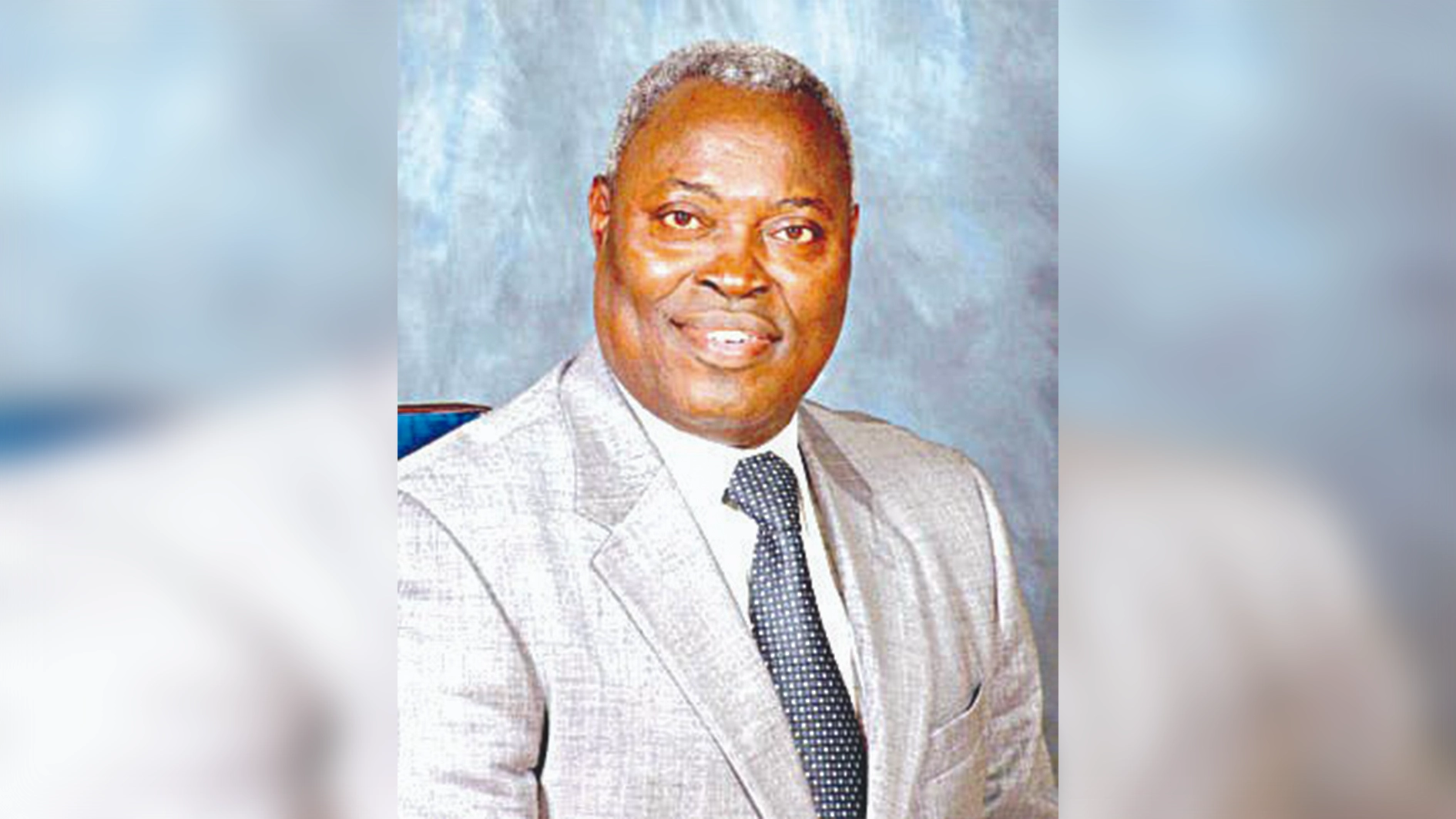
By Pastor W. F. Kumuyi
Paul the Apostle had preached the gospel at Corinth and brought many new converts in the city, into the kingdom of God. Other ministers like Apollos and Peter also preached in the city of Corinth. Now, the people developed a strange habit in that church, openly taking sides with the preacher they preferred. The obvious outcome of this degenerate behaviour, was disunity and “contentions among (them),” which “the house of Chloe” reported to the apostle.
Apostle Paul recognised that the division of the Corinthian church into camps was the reason for the contention, squabbles and discrimination among them. He considered this development a pity, because he could see that it was altogether preventable. But because “only by pride cometh contention,” these people were disunited.
Pride, backsliding, debate and strife lead to contention. We can prevent contention and disunity in the church if we approach the word of God, personalise and internalise it. If our concern is to be holy and get to heaven, we will have no division, disunity, contention and disagreement among us. Our priority should be concentration on discipleship in the imperative commission on the church.
“For Christ sent me not to baptise, but to preach the gospel.” Paul the Apostle did not disprove the doctrine of water baptism, but made it clear that his focus was on preaching the gospel, whilst others baptise. He emphasised water baptism and discipleship. He followed in Jesus’ footsteps, brought people to the knowledge of salvation and allowed his companions who laboured with him to baptise the converts in water.
The priority and pattern of Apostle Paul’s life was to emphasise the doctrine of the cross, that is, the sacrifice Jesus made to bring us into and make us abide in the Kingdom. The cross is a feature that makes Jesus Christ utterly unique and incomparable.

“For the preaching of the cross is to them that perish foolishness; but unto us which are saved it is the power of God.” The preaching of the cross makes us to experience God’s power — the power that saves, recreates in us a new nature, sanctifies and brings us to the blessing and fullness of all the provision of Calvary. That was why Paul concentrated on the preaching of the cross and its provisions.
Both the Jews and the Gentiles are reconciled to God by the death of Jesus Christ on the cross. He slew the enmity between the sinner and God at Calvary. Therefore, “through him we both have access by one Spirit unto the Father.” Christ has also taken away everything contrary to us because of our past transgression. He took our accusation, condemnation and judgment, “nailing it to his cross.” But there is a great peril for those who contradict or contest the scriptures on the cross of Christ.
The ‘worldly wise people’ count the wisdom, provision of God and the preaching of the cross as foolishness. They contest the preaching of the cross and the salvation, which Christ has provided. Their wisdom does not allow them to submit to the wisdom of God and His salvation. They reject the word of God and proclaim themselves wiser than the Scripture and God’s plan of redemption. Therefore, the Lord “will destroy” them and “bring to nothing (their) understanding.” The Lord has, however, reserved His best for the partakers of the power of the crucified Christ.
We become partakers of Christ’s salvation and redemption through His sacrifice on the cross. When a sinner believes on Him crucified, his sins are taken away and He becomes his substitute and sin-bearer. Without the cross, there will be no conversion. As beneficiaries of God’s mercy and grace, we should “all speak the same thing… be perfectly joined together (in the proclamation of the gospel and service) in the same mind (His message, ministry, motivation, motive, manifestation of the Spirit of God, goal and direction) and in the same judgment (decision, pursuit, activity, passion and destination).”
• Further reading (King James Version): 1 Corinthians 1:10-25; 1 Corinthians 1:10. Ephesians 4:3-6; Philippians 1:27; 2 Timothy 3:16, 17; 1 Peter 4:11; 2 Corinthians 13:8. 1 Corinthians 1:10; John 17:17,21-23; Ephesians 5:25-27; Hebrews 2:11; Acts 2:1,46; Philippians 2:2-5.
1 Corinthians 1:10; 2:16; Romans 12:2,16; 15:5,6; Philippians 2:5-8; 2 Corinthians 13:11; Philippians 3:15,16; 1 Peter 3:8-12. 1 Corinthians 1:11-18. 1 Corinthians 1:11-13; Proverbs 13:10; Titus 3:9; 1 Corinthians 3:3-9; 2 Corinthians 12:20,21. 1 Corinthians 1:14-17a; Matthew 28:19,20; John 4:1-3,41,42; Acts 26:14-22; 14:21-23. 1 Corinthians 1:17,18; Philippians 3:17-19; Hebrews 12:2; Philippians 2:3-8. 1 Corinthians 1:18-25.1 Corinthians 1:18; Ephesians 2:16-22; Colossians 1:20-23; 2:13-15; Galatians 6:14-16. 1 Corinthians 1:19-22; 3:19-21a; Isaiah 29:14-16; Jeremiah 8:9; 1 Corinthians 2:6-8. 1 Corinthians 1:18,23-25; 2:2,5,7-10; Romans 1:16; 2 Corinthians 5:17-21; 1 Corinthians 1:10; 2 Corinthians 12:9; 13:4.

