 Follow Us on Google News


 Follow Us on Google Discover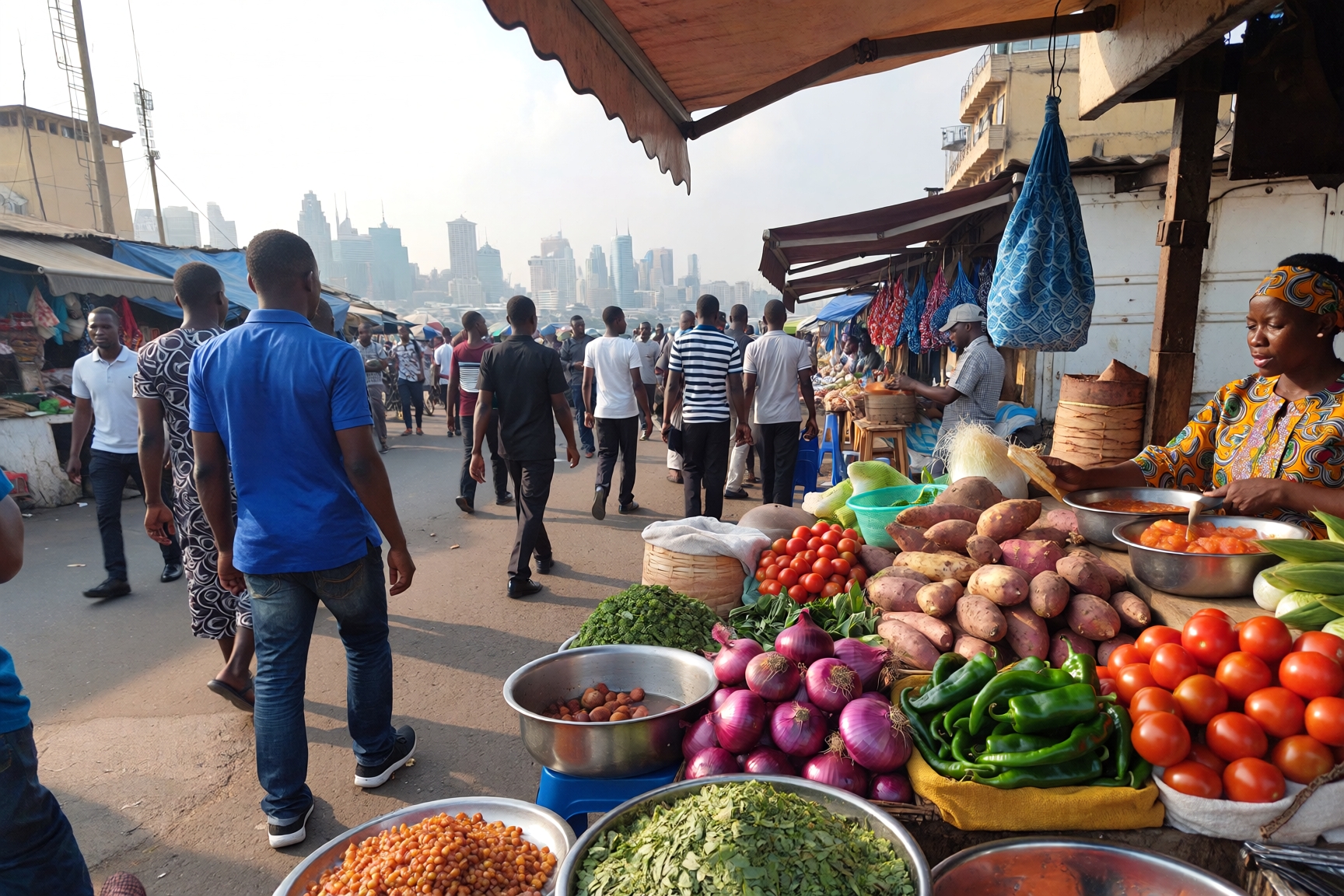
Hello there, and welcome to what has genuinely been one of the most fascinating research journeys I’ve undertaken in my career as a writer. This article represents months of careful investigation into Nigeria’s standard of living and years of experience working with communities across this incredible nation. When people ask me what Nigeria‘s standard of living is, I explain that it encompasses the material wealth, comfort, necessities, and luxuries available to Nigerians, measured through factors like income levels, employment opportunities, poverty rates, housing quality, and access to healthcare and education. Nigeria’s standard of living varies dramatically across regions, with urban centres like Lagos and Abuja offering better infrastructure whilst rural areas lag significantly behind, and approximately 63% of the population experiencing multidimensional poverty according to recent government surveys.
I remember visiting my cousin’s compound in Katsina last year, where she’d lived her entire life in the same traditional mud house her grandmother built decades ago. Her children walked three kilometres each morning to reach the nearest borehole for water. Yet when I travelled to Ikoyi in Lagos just two weeks later, I encountered gated estates with 24-hour electricity, swimming pools, and residents complaining about international school fees for their children. These contrasting experiences perfectly encapsulate the complexity of discussing Nigeria’s standard of living, it’s never a single story.
How is the Standard of Living in Nigeria Measured?
The measurement of Nigeria’s standard of living requires looking beyond simple economic indicators to understand the lived realities of everyday Nigerians. When economists and policymakers assess our nation’s standard of living, they examine both monetary and non-monetary factors that collectively determine quality of life. The National Bureau of Statistics conducts regular Living Standards Surveys that track household expenditure, employment patterns, housing conditions, and access to essential services across all 36 states and the Federal Capital Territory.
One particularly useful measurement framework is the Multidimensional Poverty Index, which Nigeria adopted in collaboration with international development agencies. This index goes beyond income poverty to examine health, education, living standards, and work security. According to the 2022 Multidimensional Poverty Index released by the National Bureau of Statistics, 63% of Nigerians (approximately 133 million people) are multidimensionally poor, meaning they experience deprivations in multiple aspects of life simultaneously.
The reality I’ve observed through my research is that many Nigerian families juggle conflicting realities. A civil servant in Abuja might earn ₦200,000 monthly (considered middle class by official statistics) yet struggle to afford decent housing, facing rent that consumes 60-70% of their income. Meanwhile, their rural counterpart earning ₦50,000 might actually enjoy better quality of life because they own land, grow food, and live in family-owned housing.
Income levels provide another critical measurement dimension. The National Bureau of Statistics poverty report indicates that 40.1% of Nigerians live below the national poverty line of ₦137,430 per year (approximately ₦11,453 per month). This translates to over 82 million people classified as poor by national standards, people who cannot afford basic necessities even when working full-time jobs.

Employment quality matters tremendously when assessing living standards. It’s not simply about having work, it’s about having work that pays adequately and provides security. I’ve met brilliant young graduates in Port Harcourt working as motorcycle taxi riders, earning perhaps ₦3,000-5,000 daily with no job security, health benefits, or pension contributions. Whilst they’re technically employed, their standard of living remains precarious.
The Regional Variations in Nigerian Living Standards
Nigeria’s standard of living exhibits stark geographical disparities that reflect decades of uneven development, infrastructure investment, and resource distribution. The northern and southern regions might as well exist in different economic universes, and even within these broad divisions, state-level variations create further complexity.
When you examine the data from the National Bureau of Statistics, patterns emerge rather clearly. Lagos State, despite its overcrowding and traffic congestion, maintains the highest Human Development Index score at 0.6515. This isn’t surprising when you consider that Lagos generates approximately 30% of Nigeria’s GDP whilst occupying just 0.4% of the country’s land area. Walk through Victoria Island or Lekki, and you’ll encounter world-class restaurants, shopping malls with reliable electricity, and housing developments that wouldn’t look out of place in Dubai or London.
Contrast this with Sokoto State, where the poverty incidence reaches 91% according to the Multidimensional Poverty Index. I travelled to Sokoto two years ago for research, and the infrastructure gap was immediately apparent. Many communities lacked paved roads, functional schools sat empty because teachers hadn’t been paid for months, and healthcare facilities operated without essential medicines or equipment.
The Federal Capital Territory presents an interesting case study. Abuja’s carefully planned districts showcase modern Nigeria at its aspirational best, wide boulevards, functional street lighting, and orderly residential estates. Yet venture just 20 kilometres outside the city centre into satellite communities like Kuje or Kwali, and living conditions deteriorate rapidly. The contrast illustrates how development concentrates in privileged urban cores whilst peripheries remain neglected.
Southern states generally demonstrate better living standard indicators than their northern counterparts. Cross River, Akwa Ibom, and Ondo states benefit from oil revenue allocations, tourism potential, and higher literacy rates. The Federal Ministry of Information acknowledges these regional disparities in its poverty alleviation strategies, recognising that interventions must be geographically targeted to address specific challenges.
Interestingly, rural-urban divides sometimes defy expectations. Whilst urban areas typically offer better infrastructure and services, they also impose higher living costs that can negate income advantages. A farmer in Osun State might enjoy lower cost of living, access to land for food production, and strong community support networks that urban migrants in Lagos lack despite earning higher nominal incomes. Quality of life encompasses more than money, it includes time, stress levels, and social cohesion, factors where rural communities occasionally outperform congested cities.
The South-East region showcases a unique economic model built on trade and entrepreneurship rather than government employment or oil wealth. States like Anambra and Enugu have leveraged commercial networks and diaspora remittances to achieve relatively strong living standards despite limited natural resources. This demonstrates that development pathways needn’t follow identical patterns if appropriate strategies match regional strengths.
Which City Never Sleeps in Nigeria?
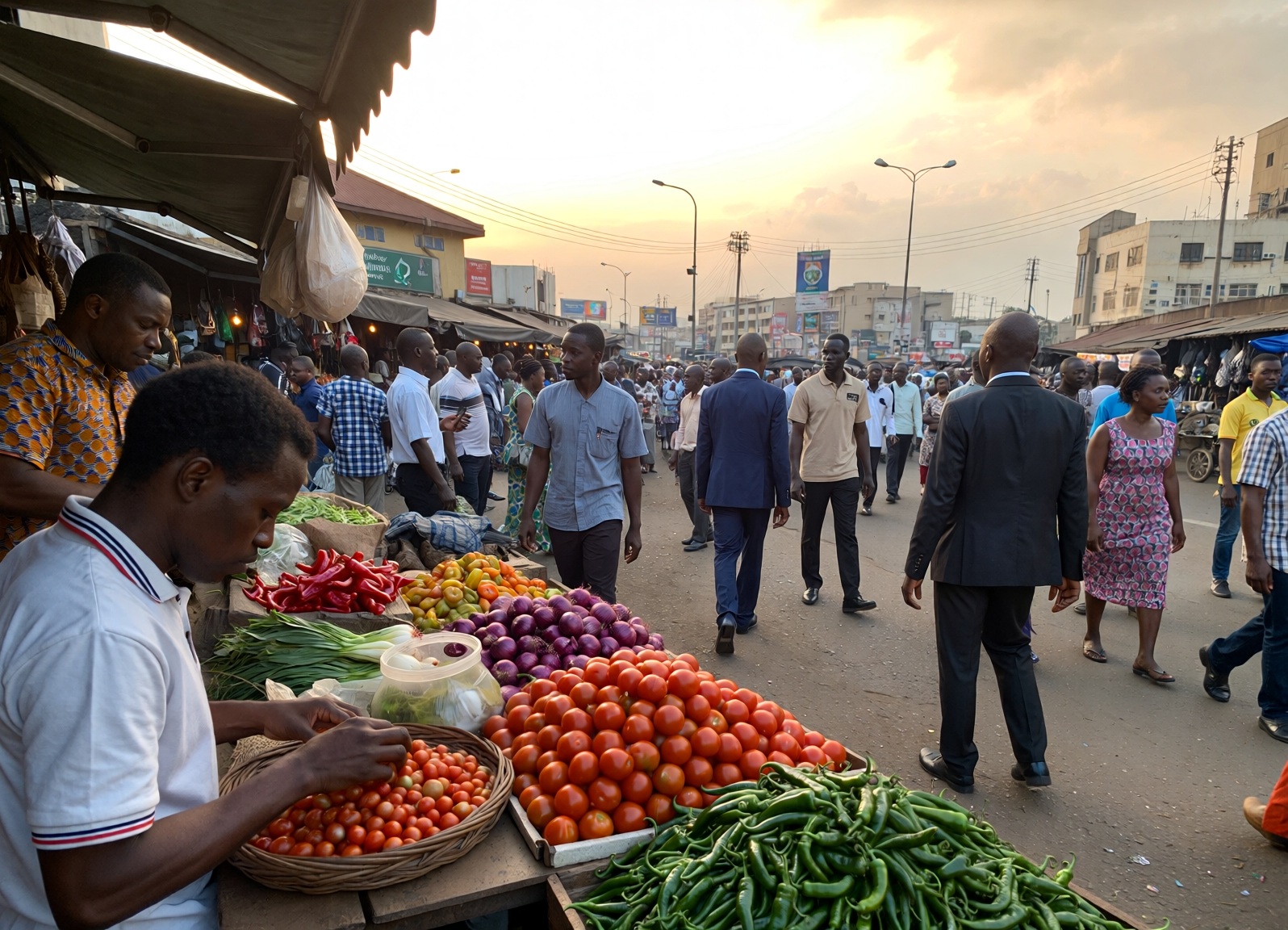
Lagos indisputably claims the title of Nigeria’s city that never sleeps, a bustling metropolis where economic activity continues around the clock and opportunities seem endless despite the accompanying challenges. When people worldwide think of Nigerian urban energy, they visualise Lagos, its cacophony of generators humming through power outages, late-night markets in places like Computer Village or Balogun, and entertainment venues that keep pumping music until dawn breaks over the Atlantic.
I spent three weeks in Lagos researching this article, staying in different neighbourhoods to understand the city’s rhythm. What struck me most wasn’t just the obvious 24-hour hustle (street food vendors grilling suya at 3 AM, danfo buses rattling through predawn streets, all-night church vigils echoing from every neighbourhood), but rather how this relentless activity stems from economic necessity more than lifestyle choice.
Lagos never sleeps because Lagosians cannot afford to sleep. The cost of living forces residents into multiple income streams. The banker who finishes at the office by 6 PM might run an online boutique until midnight, then wake at 4 AM to beat notorious traffic into work. The student combines daytime lectures with evening ridesharing, weekend event planning, and whatever other hustles generate survival income. Sleep becomes a luxury when rent for a single room in areas like Surulere or Yaba ranges from ₦250,000 to ₦600,000 annually.
As discussed in Guardian Nigeria’s analysis of urban population pressures, Lagos will absorb millions more residents over coming decades, with projections suggesting the metropolitan area could reach 35-40 million inhabitants by 2050. This growth intensifies the pressure on infrastructure already stretched to breaking point. Power supply remains erratic despite recent improvements, forcing households and businesses to rely on expensive generators or alternative energy sources.
The entertainment and nightlife scene reinforces Lagos’s reputation as the city that never sleeps. From highbrow clubs in Ikoyi charging ₦10,000-20,000 cover fees to relaxed beer parlours in Mushin where ₦500 buys a cold drink and evening camaraderie, options exist for every budget and preference. Music venues in Ikeja host live performances weekly, whilst beach clubs along the Lekki corridor remain packed with party-goers until sunrise.
Yet this sleepless energy extracts significant costs. Lagos ranks consistently amongst the world’s least liveable cities in international assessments, plagued by traffic congestion that can turn a 10-kilometre journey into a three-hour ordeal, inadequate waste management systems that leave refuse piled along roadsides, and flooding that paralyses entire neighbourhoods during rainy season. The Guardian Nigeria has extensively covered the city’s housing crisis, noting how rapid urbanisation outpaces shelter construction, forcing millions into overcrowded slums or informal settlements.
Other Nigerian cities vie for recognition as active urban centres. Abuja maintains bustling nightlife in areas like Wuse and Garki, whilst Port Harcourt’s oil industry creates round-the-clock activity in Garden City. Kano’s ancient commercial networks keep markets operating into late evening. However, none match Lagos’s sheer scale, diversity, and relentless momentum. Lagos doesn’t just stay awake, it actively resists sleep as a matter of survival and ambition.
The Seven Qualities That Define Good Nigerian Citizenship
What are the 7 qualities of a good citizen of Nigeria? The qualities that define exemplary Nigerian citizenship extend beyond mere legal status to encompass civic responsibility, ethical behaviour, and active contribution to national development. Through my research and interviews with community leaders, educators, and ordinary Nigerians, I’ve identified seven core qualities that consistently emerge as essential for good citizenship in our nation’s complex social fabric.
1. Respect for National Unity and Diversity
Good Nigerian citizens embrace our nation’s diversity as strength rather than weakness. Nigeria comprises over 250 ethnic groups, each with distinct languages, customs, and traditions. Exemplary citizenship means celebrating this plurality whilst maintaining commitment to national cohesion. I’ve observed this quality in communities where Igbo traders serve Hausa customers with genuine warmth, where Yoruba landlords rent to Ijaw tenants without discrimination, and where mixed marriages thrive despite initial family resistance.
2. Commitment to Rule of Law
Respect for legal institutions and processes defines responsible citizenship, even when those institutions frustrate us with inefficiency or corruption. Good citizens pay taxes honestly despite government waste, obey traffic regulations even when enforcement seems selective, and resolve disputes through legal channels rather than vigilante justice. This doesn’t mean blind obedience, it means engaging constructively for reform whilst maintaining social order.
3. Active Civic Participation
Voting represents just the beginning of civic duty. Good Nigerian citizens participate in community development projects, attend town hall meetings, volunteer in schools and healthcare facilities, and contribute to local organisations addressing neighbourhood challenges. During my visits to communities implementing self-help initiatives, I’ve met inspiring individuals who dedicate weekends to clearing drainage channels, organising youth programmes, or teaching adult literacy classes without government prompting.
4. Patriotic Pride and Service
Genuine love for Nigeria manifests through service rather than empty rhetoric. Whether serving in the armed forces protecting our borders, teaching in underfunded rural schools, innovating in the technology sector, or representing Nigeria excellently in international sports and arts, good citizens contribute meaningfully to national progress. They defend Nigeria’s reputation abroad whilst working honestly to improve conditions at home.
5. Integrity and Ethical Conduct
Perhaps no quality matters more desperately in contemporary Nigeria than personal integrity. Good citizens reject corruption in all forms, whether it’s a police officer refusing bribes at checkpoints, a student reporting examination malpractice, a business owner paying employees fairly, or a politician prioritising public service over personal enrichment. They model ethical behaviour for younger generations watching how adults navigate moral choices.
6. Environmental Stewardship
Responsible citizens recognise their duty to protect Nigeria’s natural environment for future generations. This means proper waste disposal rather than dumping refuse in drainage channels, conserving water and electricity, supporting reforestation initiatives, and holding corporations accountable for environmental damage. Climate change increasingly affects Nigerian communities through flooding, desertification, and agricultural disruptions, making environmental citizenship critically important.
7. Tolerance and Peaceful Coexistence
In a nation where religious and ethnic tensions periodically explode into violence, citizens who actively promote peaceful coexistence perform invaluable service. Good citizenship means intervening when neighbours spread divisive rumours, protecting members of minority groups during conflicts, and teaching children that shared humanity transcends tribal affiliations. These everyday acts of tolerance prevent the escalation of minor disputes into communal crises.
Practical Cooking Solutions: What Can I Cook with 3000 Naira in Nigeria?
What can I cook with 3000 naira in Nigeria? With careful planning and smart shopping, ₦3,000 can prepare nutritious meals feeding a family of four for approximately two to three days, focusing on staple foods like rice, beans, yam, and affordable protein sources whilst incorporating vegetables and seasoning for balanced nutrition. This amount requires strategic shopping at local markets rather than supermarkets, buying ingredients in bulk where possible, and selecting seasonal produce when prices are most favourable.
I decided to test this question practically rather than theoretically, so last month I visited Ilepo Market in Ikeja with exactly ₦3,000 and challenged myself to maximise nutritional value and variety. The experience proved enlightening, revealing both possibilities and constraints that everyday Nigerians navigate when feeding families on tight budgets.
Starting with staples, I allocated ₦1,200 to carbohydrate sources. A 3kg bag of long-grain rice cost ₦900, whilst a medium-sized tuber of yam (approximately 1.5kg) cost ₦300. This provided foundational energy sources for multiple meals. The rice alone could serve as base for jollof rice, fried rice, white rice with stew, or rice and beans combinations.
Protein sources consumed ₦800 of my budget. Fresh fish wasn’t viable at market prices (mackerel started at ₦500 per decent-sized piece), so I opted for dried fish at ₦300, which offers concentrated flavour whilst lasting longer without refrigeration. I bought 250 grams of beans for ₦200, providing plant-based protein for at least two meals. The remaining ₦300 went toward eggs (three medium eggs at ₦100 each), which could stretch across breakfast portions or add richness to fried rice.
Vegetables and seasonings took the final ₦1,000. Fresh tomatoes (₦300 for approximately 1kg), peppers (₦150), onions (₦150), and curry leaves (₦50) formed the flavour foundation. I purchased palm oil (₦200 for a small bottle), vegetable oil (₦100 for 250ml), and essential seasonings including Maggi cubes (₦50), curry powder (₦50), and salt (₦50). These ingredients would build the stews, sauces, and bases that transform plain rice or yam into satisfying meals.
Sample Meal Plan
Day One:
- Breakfast: Boiled yam with scrambled eggs and pepper sauce
- Lunch: Rice and beans with tomato stew
- Dinner: Jollof rice with dried fish
Day Two:
- Breakfast: Boiled rice porridge with egg
- Lunch: Beans porridge with plantain (if ₦200 extra available)
- Dinner: White rice with vegetable stew
Day Three:
- Breakfast: Yam porridge
- Lunch: Fried rice with dried fish
- Dinner: Beans and rice with tomato sauce
The reality is that ₦3,000 provides basic sustenance rather than gourmet variety. Families cannot afford meat, adequate fruits, or nutritious snacks for children. Vegetable portions remain minimal due to cost constraints, meaning micronutrient deficiencies develop over time despite feeling “full” from carbohydrate-heavy meals.
Market timing significantly affects purchasing power. Shopping on weekday mornings typically yields better prices than weekend afternoons when demand peaks. End-of-day bargaining sometimes secures discounts from vendors eager to sell perishables before spoilage. Building relationships with regular market vendors occasionally results in extra portions or price breaks.
Regional price variations matter enormously. The same shopping basket costing ₦3,000 in Lagos might stretch to ₦3,500 or shrink to ₦2,500 in other locations depending on proximity to agricultural production zones, transportation costs, and local market dynamics. Northern states closer to rice farms often enjoy lower grain prices, whilst southern coastal areas feature better fish prices.
Inflation continuously erodes purchasing power. The same ₦3,000 that might have fed a family for four days in 2023 now struggles to cover three days in 2026 as food prices climb relentlessly. The National Bureau of Statistics tracks food inflation rates exceeding 30% annually, meaning families must constantly adjust strategies, substituting expensive proteins with cheaper alternatives, reducing portion sizes, or skipping meals entirely.
Seven Steps to Maximise Food Budget in Nigeria
- Shop at Local Markets Rather Than Supermarkets: Neighbourhood markets consistently offer prices 20-40% lower than retail chains for identical produce. Visit markets like Mile 12 in Lagos, Bodija in Ibadan, or Wuse in Abuja for wholesale options.
- Buy in Bulk When Possible: Pooling resources with neighbours or extended family members to purchase larger quantities (25kg rice bags instead of 5kg portions) reduces per-unit costs significantly, sometimes achieving 15-25% savings.
- Focus on Seasonal Produce: Vegetables and fruits in peak harvest season cost substantially less than imported or out-of-season alternatives. Learn planting calendars to anticipate when specific produce becomes abundant and affordable.
- Minimise Meat Consumption: Animal protein represents the single most expensive budget category. Substitute beans, groundnuts, and soy-based products whilst reserving meat for occasional meals rather than daily consumption.
- Preserve and Store Effectively: Learning preservation techniques (drying fish, making tomato paste, storing grains properly) prevents spoilage waste whilst allowing bulk purchases when prices favour buyers.
- Cook from Scratch: Processed foods and ready-made meals cost exponentially more than raw ingredients prepared at home. Invest time in cooking rather than convenience, the savings compound substantially.
- Plan Meals Strategically: Creating weekly menus before shopping prevents impulse purchases whilst ensuring ingredients serve multiple meals, maximising variety without budget inflation.
Comparing Nigerian Food Costs Across Major Cities
| City | Rice (5kg) | Beans (1kg) | Tomatoes (1kg) | Chicken (1kg) | Vegetable Oil (1L) | Monthly Market Basket* |
|---|---|---|---|---|---|---|
| Lagos | ₦4,500 | ₦1,200 | ₦800 | ₦3,500 | ₦2,200 | ₦68,000 |
| Abuja | ₦4,800 | ₦1,300 | ₦900 | ₦3,800 | ₦2,400 | ₦72,000 |
| Kano | ₦4,000 | ₦1,000 | ₦650 | ₦3,200 | ₦2,000 | ₦62,000 |
| Port Harcourt | ₦4,700 | ₦1,250 | ₦850 | ₦3,600 | ₦2,300 | ₦70,000 |
| Ibadan | ₦4,300 | ₦1,100 | ₦700 | ₦3,300 | ₦2,100 | ₦65,000 |
| Enugu | ₦4,400 | ₦1,150 | ₦750 | ₦3,400 | ₦2,150 | ₦66,500 |
*Monthly market basket represents estimated cost for basic food items feeding a family of four for 30 days.
This comparison table reveals significant regional variations in food costs across Nigeria’s major urban centres. The figures demonstrate how location dramatically affects household food security and standard of living. Kano consistently shows lower costs due to proximity to northern agricultural zones producing rice, millet, and livestock. Conversely, Abuja’s status as capital city drives higher prices across all categories, with vendors capitalising on concentrated government worker incomes and expatriate populations less price-sensitive than local residents. The monthly market basket estimates illustrate how a civil servant earning ₦150,000 monthly in Abuja faces tighter budget constraints than a colleague earning the same amount in Kano, where living costs consume considerably less income.
What is Nigeria’s Standard of Living: A Direct Answer
Nigeria’s standard of living varies dramatically across socioeconomic strata, with a small wealthy elite enjoying world-class amenities whilst the majority struggle with inadequate infrastructure, unstable employment, and limited access to quality healthcare and education. The country’s Human Development Index ranking places Nigeria in the low development category, with particular challenges in northern states where poverty exceeds 80% of the population. Urban centres like Lagos and Abuja offer better opportunities and infrastructure compared to rural areas, yet even city dwellers face significant hardships including unreliable electricity, traffic congestion, housing shortages, and rising living costs that frequently outpace income growth.
Three distinct tiers characterise Nigerian living standards. The upper class (approximately 5% of the population) lives in gated estates with private generators, boreholes, quality private schools, and access to excellent healthcare either domestically or abroad. These Nigerians shop in air-conditioned malls, drive personal vehicles, travel internationally regularly, and maintain living standards comparable to middle-class Europeans or Americans.
The middle class (roughly 20-25% of the population) experiences more precarious circumstances. They might own cars but struggle with fuel costs, live in decent housing but face exorbitant rents consuming half their income, send children to fee-paying schools whilst taking loans to cover expenses, and rely on generators during frequent power outages. This group includes civil servants, teachers, mid-level corporate workers, and small business owners constantly juggling expenses against modest incomes, perpetually one emergency away from financial crisis.
The remaining 70-75% of Nigerians live below or just above poverty lines, earning less than ₦50,000 monthly in many cases. They reside in crowded housing (often entire families sharing single rooms), lack consistent access to clean water or electricity, send children to poorly-equipped public schools when they can afford education at all, and face health crises as potential financial catastrophes since quality healthcare remains prohibitively expensive or geographically inaccessible.
Related Articles
If you found this analysis of Nigeria’s standard of living insightful, you might also enjoy exploring other aspects of Nigerian society that directly influence living conditions and quality of life. Our comprehensive examination of How Many Ethnic Groups Are in Nigeria reveals how Nigeria’s 371 distinct ethnic groups create both cultural richness and complex development challenges that affect living standards across regions. Additionally, our detailed guide on What is the Dominant Culture in Nigeria explores how cultural, religious, and political dynamics shape economic opportunities and social mobility for different communities.
Understanding Nigeria’s Standard of Living in Global Context
When comparing Nigeria’s standard of living to global benchmarks, the picture becomes sobering. According to the Nigeria Living Standards Survey conducted by the National Bureau of Statistics, the average household size stands at 5.06 persons per family, significantly higher than the global average of 3.4 persons. This household density reflects cultural preferences for extended family living arrangements but also indicates housing shortages that force multiple generations to share limited space.
Life expectancy in Nigeria averages approximately 54 years, substantially lower than the global average of 73 years and even further below developed nations where citizens commonly live into their eighties. This disparity stems from multiple factors including inadequate healthcare infrastructure, high rates of preventable diseases, maternal mortality during childbirth, and childhood deaths from malnutrition or treatable conditions. When I visited a primary healthcare centre in rural Nasarawa State, the nurse explained that she managed over 200 patients weekly with limited medications, no functional laboratory equipment, and irregular electricity supply for refrigerating vaccines.
Education outcomes similarly trail international standards. Whilst Nigeria boasts impressive numbers of universities and graduates, quality concerns persist throughout the education system. Public schools often lack basic infrastructure like functional toilets, adequate textbooks, or qualified teachers in core subjects. The UNESCO Institute for Statistics notes that Nigeria has one of the world’s highest numbers of out-of-school children, with approximately 10.5 million children aged 5-14 not attending school, many of them girls in northern states where cultural barriers and economic constraints limit educational access.
Internet penetration and digital connectivity increasingly determine quality of life in our interconnected world. Nigeria has made remarkable progress expanding mobile internet coverage, with approximately 55% of the population now accessing internet services. However, connection speeds remain frustratingly slow outside major cities, data costs consume significant portions of household budgets, and electricity unreliability hampers consistent online access even when infrastructure exists.
Housing quality indicators reveal stark realities. The Federal Ministry of Information’s poverty assessment acknowledges that over half of Nigeria’s urban population lives in slum conditions, defined by inadequate access to clean water, sanitation facilities, durable housing materials, sufficient living space, and security of tenure. Visit informal settlements like Makoko in Lagos, and you’ll encounter wooden shacks built on stilts over polluted lagoon water, where entire families live without toilets, clean water, or electricity.
Transportation infrastructure significantly impacts living standards by affecting access to employment, education, healthcare, and markets. Nigeria’s road network spans approximately 200,000 kilometres, yet only about 60,000 kilometres are paved, and even paved roads frequently deteriorate into pothole-riddled nightmares that damage vehicles and slow economic activity. Rail networks remain underdeveloped despite recent investments, whilst aviation serves primarily wealthy Nigerians who can afford domestic flight costs.
Food security represents another critical living standard indicator. Despite being an agricultural nation with fertile land and favourable climate, Nigeria imports substantial food supplies including rice, wheat, fish, and processed foods. This dependency on imports exposes citizens to global price fluctuations and currency devaluation effects. When the naira weakens against the dollar, imported food costs rise dramatically, squeezing household budgets already stretched thin by inflation.
Factors Influencing Regional Living Standard Disparities
Several interconnected factors explain why living standards vary so dramatically across Nigerian states and regions. Historical legacies of colonial administration created infrastructure patterns that persist today, with coastal areas and colonial administrative centres receiving earlier development investments that compounded over decades. Lagos benefited from its colonial capital status and natural harbour, whilst northern emirates maintained traditional economic structures less integrated with modern commercial networks.
Resource endowment plays obvious roles. Oil-producing states in the Niger Delta receive substantial derivation revenues theoretically enabling superior public services, yet corruption and environmental degradation often negate these advantages. States like Akwa Ibom and Rivers struggle with pollution, gas flaring, and land degradation despite oil wealth, whilst their governments face pressure to balance development spending with appeasing restive youth populations demanding employment and infrastructure.
Governance quality determines how effectively states translate resources into improved living standards. Some governors prioritise capital projects (roads, schools, hospitals) whilst others emphasise recurrent expenditure (salaries, allowances, political patronage). States with strong civil service traditions and active civil society monitoring tend to deliver better services than those where accountability mechanisms remain weak.
Security situations increasingly differentiate living standards across regions. States affected by Boko Haram insurgency in the North-East, banditry in the North-West, kidnapping in the South-East, or communal conflicts in the Middle Belt experience reduced economic activity, population displacement, and government resources diverted to security spending rather than development. Farmers cannot cultivate land they fear approaching due to armed groups, traders cannot transport goods along highways where kidnapping remains common, and investors avoid regions where security cannot be guaranteed.
Educational infrastructure and literacy rates create self-reinforcing cycles. States with higher literacy rates attract more educated workers, generate more tax revenue, fund better schools, and produce subsequent generations with competitive advantages in increasingly knowledge-based economies. Conversely, states with low literacy perpetuate disadvantage across generations, struggling to develop human capital necessary for economic transformation.
The Impact of Infrastructure Deficits on Daily Life
Infrastructure failures represent perhaps the single most visible daily reminder of Nigeria’s living standard challenges. Power supply inconsistency affects virtually every Nigerian regardless of economic status, though wealthy households simply purchase expensive generators and fuel whilst poor families resign themselves to darkness or prohibitively expensive kerosene lamps.
The electricity situation borders on the absurd for a nation of Nigeria’s size and resources. The national grid frequently collapses entirely, plunging the country into blackout. Even when functioning, electricity supply remains erratic at best, with many areas receiving perhaps 8-12 hours daily of unstable power prone to voltage fluctuations that damage appliances. Industries report spending 30-40% of operating costs on private power generation, costs inevitably passed to consumers through higher prices.
I’ll never forget interviewing a small-scale manufacturer in Aba who’d invested ₦8 million in production equipment only to see three machines destroyed by power surges within six months. He’d then spent an additional ₦3 million purchasing a generator and voltage stabilisers, costs that nearly forced him out of business before producing a single unit for sale. Multiply this story across millions of businesses, and you understand how infrastructure deficits strangle economic potential.
Water scarcity affects households across the country despite Nigeria’s abundant rivers, lakes, and rainfall. Public water supply systems exist primarily as decorative infrastructure, with pipes rusting underground whilst residents dig wells, purchase water from tanker trucks, or trek to distant streams. In Lagos, households in supposedly “developed” neighbourhoods pay water vendors ₦2,000-5,000 weekly for tanker deliveries, adding substantially to living costs. Rural communities frequently lack any improved water sources whatsoever, relying on potentially contaminated streams or ponds.
Road infrastructure deterioration imposes enormous costs through vehicle damage, transportation delays, and increased accident risks. Travel from Lagos to Enugu, a journey covering approximately 450 kilometres, can consume 8-10 hours navigating potholes, police checkpoints, and traffic jams through inadequately maintained highways. Commercial drivers report spending ₦150,000-250,000 monthly on vehicle repairs attributable purely to poor road conditions, costs passed to passengers through higher fares.
Waste management failures create public health hazards and environmental degradation. Visit any Nigerian city, and you’ll encounter refuse heaps festering along roadsides, in drainage channels, or dumped in vacant lots. Municipal authorities lack sufficient collection vehicles, disposal sites, and operational funding to manage waste effectively, whilst citizens lack alternative options beyond illegal dumping. The resulting pollution contaminates groundwater, breeds disease vectors, and creates eyesores throughout communities.
Economic Realities Shaping Living Standards
Employment challenges fundamentally constrain living standards for millions of Nigerians. Youth unemployment exceeds 40% according to National Bureau of Statistics data, with underemployment affecting perhaps another 25-30% of working-age adults. University graduates spend years searching for formal sector positions, often settling for informal work far below their qualifications and salary expectations.
The informal economy absorbs approximately 80% of Nigerian workers, providing survival incomes but lacking job security, health benefits, pension contributions, or legal protections. Street vendors, motorcycle taxi operators, market traders, domestic workers, and casual labourers form the backbone of this shadow economy, working exhausting hours for meagre returns yet unable to access formal employment.
Salary structures reveal dramatic inequalities. A permanent secretary in the civil service might earn ₦500,000-800,000 monthly with housing allowances and other benefits, whilst a junior clerk in the same ministry receives perhaps ₦80,000-120,000 monthly. Private sector disparities extend even further, with multinational corporation executives earning millions monthly whilst their security guards subsist on ₦40,000-50,000 plus informal tips.
Inflation relentlessly erodes purchasing power faster than wages increase. The naira has weakened dramatically against major currencies over recent decades, making imported goods increasingly expensive. Food inflation frequently exceeds 30% annually, meaning families must constantly adjust consumption patterns, substituting cheaper ingredients, reducing portions, or eliminating entire food categories from household budgets.
Remittances from the diaspora provide crucial income supplements for millions of Nigerian families. World Bank estimates suggest Nigerians abroad send home approximately $20 billion annually, making Nigeria Africa’s largest remittance recipient. These funds often prove the difference between poverty and basic subsistence for recipient households, enabling school fees, medical expenses, or business capital that domestic incomes cannot support.
Conclusion: Navigating Nigeria’s Complex Living Standard Landscape
Understanding what is Nigeria’s standard of living requires acknowledging that no single answer captures our nation’s diversity and contradictions. Nigeria simultaneously contains extreme wealth and grinding poverty, world-class infrastructure and crumbling decay, boundless optimism and deep frustration. Our standard of living reflects both our tremendous potential and our persistent failure to translate that potential into broadly shared prosperity.
The data paints a challenging picture with 63% multidimensional poverty, inadequate infrastructure, healthcare and education shortfalls, and regional disparities that leave some states resembling low-income countries whilst others approach middle-income standards. Yet statistics alone miss the resilience, creativity, and determination that characterise everyday Nigerians navigating these circumstances.
Looking forward, Nigeria’s living standards will likely continue diverging unless deliberate policy interventions address root causes of inequality and infrastructure deficits. Population growth will intensify pressure on already strained systems, whilst climate change threatens agricultural productivity and water security. However, opportunities exist through technological leapfrogging, improved governance, infrastructure investments, and human capital development if leaders prioritise inclusive growth over extractive politics.
The question “what is Nigeria’s standard of living” ultimately invites each Nigerian to compare their individual circumstances against both national averages and global benchmarks. Some find gratitude despite hardships, others feel frustration at persistent gaps between potential and reality. Both responses remain valid as we collectively work toward the Nigeria we deserve rather than accepting the Nigeria we currently have.
Key Takeaways
- Regional Disparities Define Living Standards: Nigeria’s living conditions vary dramatically between states, with northern regions experiencing poverty rates exceeding 80% whilst southern states demonstrate better infrastructure and economic opportunities, highlighting the need for geographically targeted development interventions.
- Infrastructure Deficits Constrain Daily Life: Electricity unreliability, water scarcity, poor roads, and inadequate waste management systems affect nearly all Nigerians regardless of income level, imposing both direct costs through private alternatives and indirect costs through reduced productivity and quality of life.
- Economic Informality Dominates Employment: Approximately 80% of Nigerian workers operate in the informal economy without job security or benefits, earning survival incomes that perpetuate vulnerability whilst formal sector opportunities remain scarce especially for youth despite educational qualifications.
Frequently Asked Questions About Nigeria’s Standard of Living
What is Nigeria’s Standard of Living?
Nigeria’s standard of living encompasses the material wealth, necessities, and luxuries available to citizens, measured through income levels, employment, poverty rates, housing quality, and access to healthcare and education. The country exhibits dramatic regional and socioeconomic variations, with approximately 63% of the population experiencing multidimensional poverty whilst a small elite enjoys world-class amenities comparable to developed nations.
How Does Nigeria’s Standard of Living Compare to Other African Countries?
Nigeria’s standard of living ranks in the lower tier amongst African nations despite being the continent’s largest economy. South Africa, Botswana, Mauritius, and several North African countries demonstrate superior infrastructure, healthcare, education, and income levels, whilst Nigeria faces challenges including high poverty rates, inadequate infrastructure, and limited access to quality services that constrain living standards for the majority.
What are the Main Challenges Affecting Living Standards in Nigeria?
The primary challenges include inadequate infrastructure (especially electricity and water supply), high poverty and unemployment rates, rapid population growth outpacing development, governance failures and corruption, insecurity in several regions, and extreme inequality creating vastly different experiences across socioeconomic classes. These interconnected factors combine to limit quality of life for most Nigerians despite the nation’s abundant natural and human resources.
Which Nigerian States Have the Highest Standard of Living?
Lagos State maintains the highest Human Development Index at 0.6515, followed by the Federal Capital Territory Abuja, with southern states like Rivers, Akwa Ibom, and Ondo generally demonstrating better living standard indicators than northern counterparts. However, even these relatively prosperous states struggle with infrastructure deficits, high living costs, and significant inequality between wealthy and poor residents within their borders.
What Role Does Education Play in Determining Living Standards?
Education fundamentally shapes living standards by affecting employment opportunities, income potential, health outcomes, and civic participation. States with higher literacy rates generally demonstrate better economic performance and development indicators, whilst approximately 10.5 million Nigerian children remain out of school, perpetuating intergenerational poverty cycles particularly affecting girls and northern regions where cultural and economic barriers limit educational access.
How Does Housing Quality Affect Nigerian Living Standards?
Housing quality significantly impacts health, security, and overall well-being, yet over half of Nigeria’s urban population lives in slum conditions lacking adequate water, sanitation, durable materials, sufficient space, or tenure security. The housing deficit exceeds 28 million units nationally, with rent consuming 50-70% of household income in major cities, forcing many families into overcrowded single-room accommodations or informal settlements.
What Healthcare Challenges Impact Nigerian Living Standards?
Healthcare challenges include inadequate infrastructure and equipment, shortage of medical professionals especially in rural areas, high out-of-pocket costs making quality care unaffordable for most citizens, limited health insurance coverage, and preventable diseases that reduce life expectancy to approximately 54 years. These factors mean health crises frequently push families into poverty through catastrophic medical expenses or lost productivity.
How Does Food Security Relate to Living Standards?
Food security directly determines living standards through nutrition, health, and household budget allocation. Despite abundant agricultural potential, Nigeria imports substantial food supplies, exposing citizens to global price volatility and currency fluctuation effects, with food inflation frequently exceeding 30% annually forcing families to reduce consumption, substitute cheaper ingredients, or eliminate nutritious foods they can no longer afford.
What Impact Does Electricity Reliability Have on Daily Life?
Electricity unreliability affects virtually every aspect of daily life from productivity and business operations to education, healthcare delivery, and household comfort. The national grid frequently collapses, leaving many areas receiving perhaps 8-12 hours daily of unstable power, forcing households and businesses to purchase expensive generators and fuel whilst industries spend 30-40% of operating costs on private power generation.
How Do Transportation Infrastructure Deficits Affect Living Standards?
Transportation infrastructure deterioration increases costs through vehicle damage, journey delays, and accident risks whilst limiting access to employment, education, healthcare, and markets. Only about 30% of Nigeria’s roads are paved, even paved highways frequently deteriorate into pothole-riddled conditions, whilst underdeveloped rail and aviation networks mean most Nigerians rely on poorly maintained road transport for mobility.
What Employment Opportunities Define Middle-Class Living Standards?
Middle-class living standards typically require formal sector employment in government, corporate positions, or successful small business ownership, earning monthly incomes between ₦150,000-500,000 enabling decent housing, private school fees, healthcare access, and vehicle ownership. However, this class remains precarious, vulnerable to economic shocks, with many households one emergency away from financial crisis despite appearing comfortable.
How Can Individual Nigerians Improve Their Living Standards?
Individual improvements typically require education and skill development, entrepreneurial initiative creating multiple income streams, strategic migration to areas with better opportunities, prudent financial management maximising limited resources, leveraging community and family networks for support, and adapting to economic realities through flexible strategies. However, systemic changes in governance, infrastructure, and economic policies remain essential for broad-based living standard improvements beyond individual advancement.

