 Follow Us on Google News
 Follow Us on Google Discover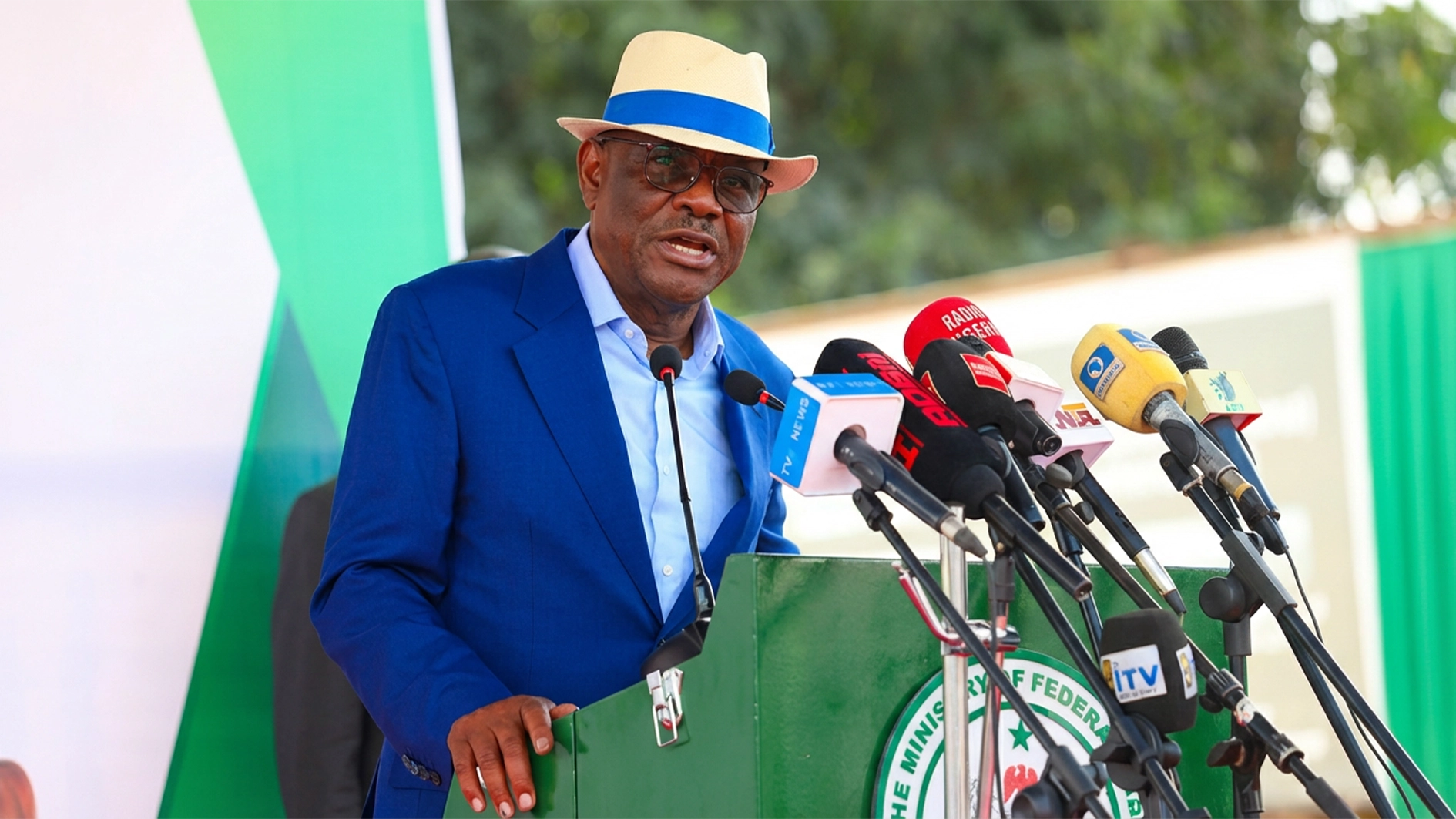
Minister of the Federal Capital Territory (FCT), Nyesom Wike, on Tuesday criticised what he described as “destructive criticism” by some professional bodies, urging associations and their leaders to focus more on attracting development and reforms to their institutions rather than engaging in constant attacks on government.
Wike spoke in Abuja while hosting delegates of the Body of Benchers led by its Chairman, Chief Albert Akpomudje, during a courtesy visit at his official residence in Life Camp.
The minister said leaders of professional associations should be remembered for the projects, reforms and infrastructure they facilitated for their members while in office, and not for frequent television appearances criticising government policies.
“What is leadership all about? At the end of your tenure, what will you say is your legacy?” Wike asked.
“You cannot occupy a position and all you do is criticise government every day. People will ask you: while you had the opportunity, what did you do for your profession?”
He commended successive leaders of the Body of Benchers for consistently engaging government on interventions aimed at improving facilities and infrastructure within the legal profession.
“You are not the first chairman of the Body of Benchers, but you came with requests that will improve the institution and open up the area for everybody. That is leadership,” he stated.
The minister disclosed that the annex building of the Body of Benchers, being constructed by the FCT Administration, was nearing completion and would be delivered by June this year.
He added that the access road linking the Nigerian Law School and the Economic and Financial Crimes Commission (EFCC) Academy corridor was already about 98 per cent completed.
Wike also approved a fresh request by the Body of Benchers for the construction of an access road leading directly to the annex building, directing relevant officials of the FCT Administration to immediately assess and integrate the project into ongoing infrastructure works within the area.
The former Rivers State governor insisted that constructive criticism remained healthy in a democracy, but argued that some professional groups had adopted a pattern of fault-finding that ignored positive developments by government.
“Constructive criticism is good, but not the kind where nobody sees anything good in what government is doing,” he said.
Wike particularly faulted criticisms surrounding government-built houses for judges, maintaining that improving the welfare and working conditions of judicial officers strengthens institutions rather than compromises them.
‘If government provides accommodation for judges, people say they are compromised. But if the same government provides money for judges to provide official accommodation, they won’t talk about compromise. Also, when the NBA goes about seeking support from government, nobody talks about compromise,” Wike said.
According to him, professional associations should devote greater energy towards identifying gaps within their sectors and collaborating with government to address them.
“If you are president of an association and all you do is attend television programmes to criticise government, that is not enough. What did you attract for your members? What did you improve?” he queried.
Earlier, Chairman of the Body of Benchers, Chief Albert Akpomudje, commended the FCT Administration for what he described as visible infrastructural transformation across Abuja, particularly projects benefiting the legal profession.
Akpomudje said the Body of Benchers remained grateful for the completion of its annex building, the ongoing fire service station project and construction of access roads within the complex.
“Roads are being constructed and upgraded daily both in the city centre and rural areas. Indeed, this is what governance should be,” he said.
He added that collaboration among the executive, legislature and judiciary remained essential for strengthening democratic institutions, preserving the rule of law and improving access to justice in the country.
Akpomudje also appealed for additional interventions, including an independent water supply for the fire service station within the Body of Benchers complex and more regular engagement between the FCT minister and the legal profession.

