 Follow Us on Google News
 Follow Us on Google Discover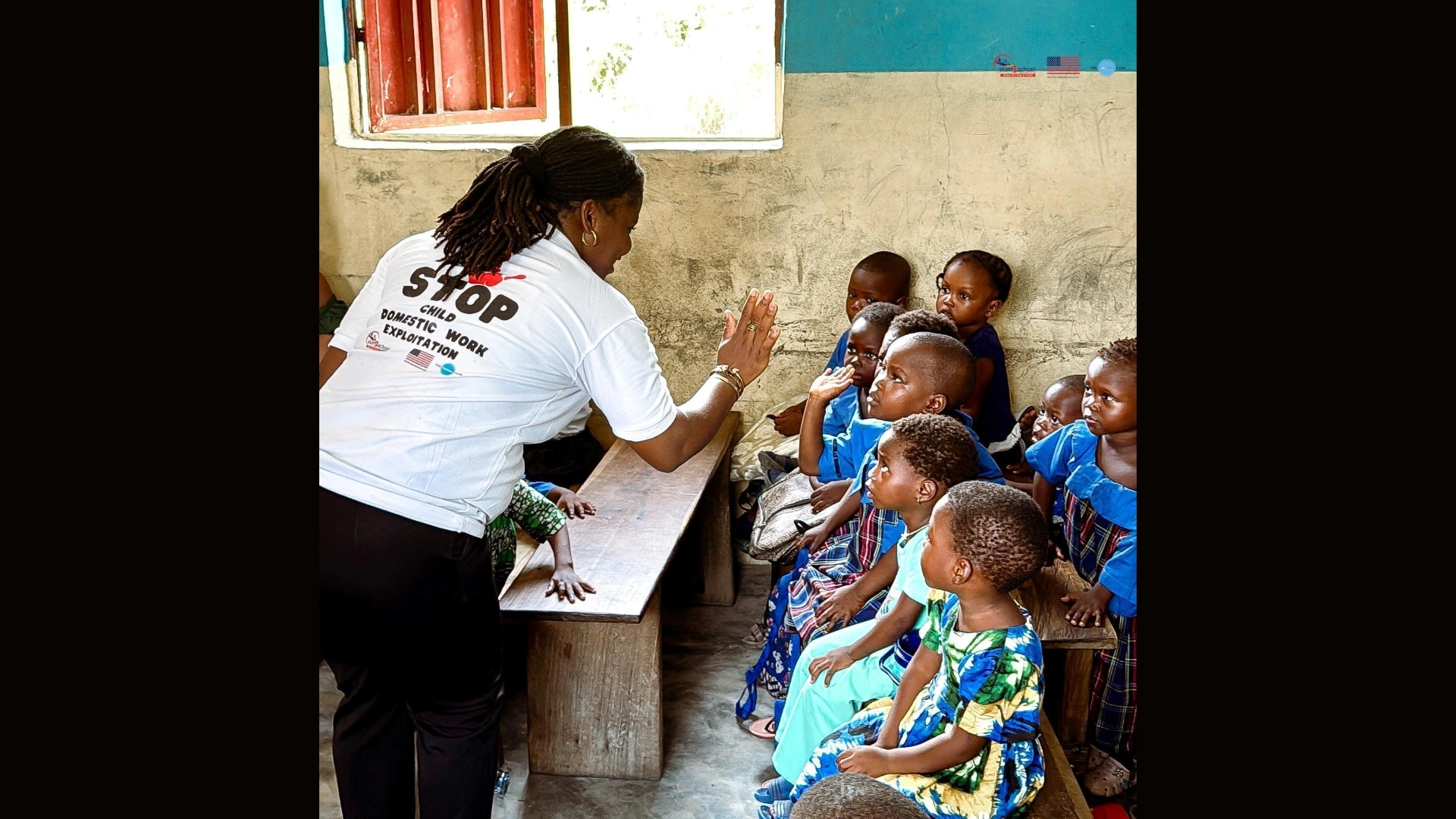
Slum2School Africa, a nonprofit advancing access to education and transforming learning ecosystems for children in underserved communities, has announced a landmark project in partnership with The Freedom Fund and supported by funding from the U.S. Department of State to expand access to education and strengthen safeguarding systems for vulnerable child domestic workers in Lagos.
Beyond direct service delivery, the partnership represents a growing advocacy movement, challenging harmful social norms, elevating child protection as a shared responsibility, and driving systemic change across communities and institutions by driving a coordinated, multi-agency response to child protection, working in collaboration with government institutions, law enforcement, and child advocacy organizations to strengthen prevention, reporting, and response systems for exploitation and abuse.
This collaboration is designed to scale learning access and holistic support for child domestic workers in high-impact urban and riverine communities, beginning with expanded interventions in Makoko and surrounding settlements across Lagos Mainland and other target local government areas.
Purpose and Vision
The partnership aims to dismantle systemic barriers to education faced by child domestic workers in slum, informal, and hard-to-reach riverine settlements where economic hardships and entrenched inequality have long denied generations access to quality schooling.
By combining Slum2School Africa’s community-led education model with The Freedom Fund and U.S. Department of State’s rights-based, locally anchored approach, the initiative aims to restore dignity, opportunity, and hope to vulnerable families.

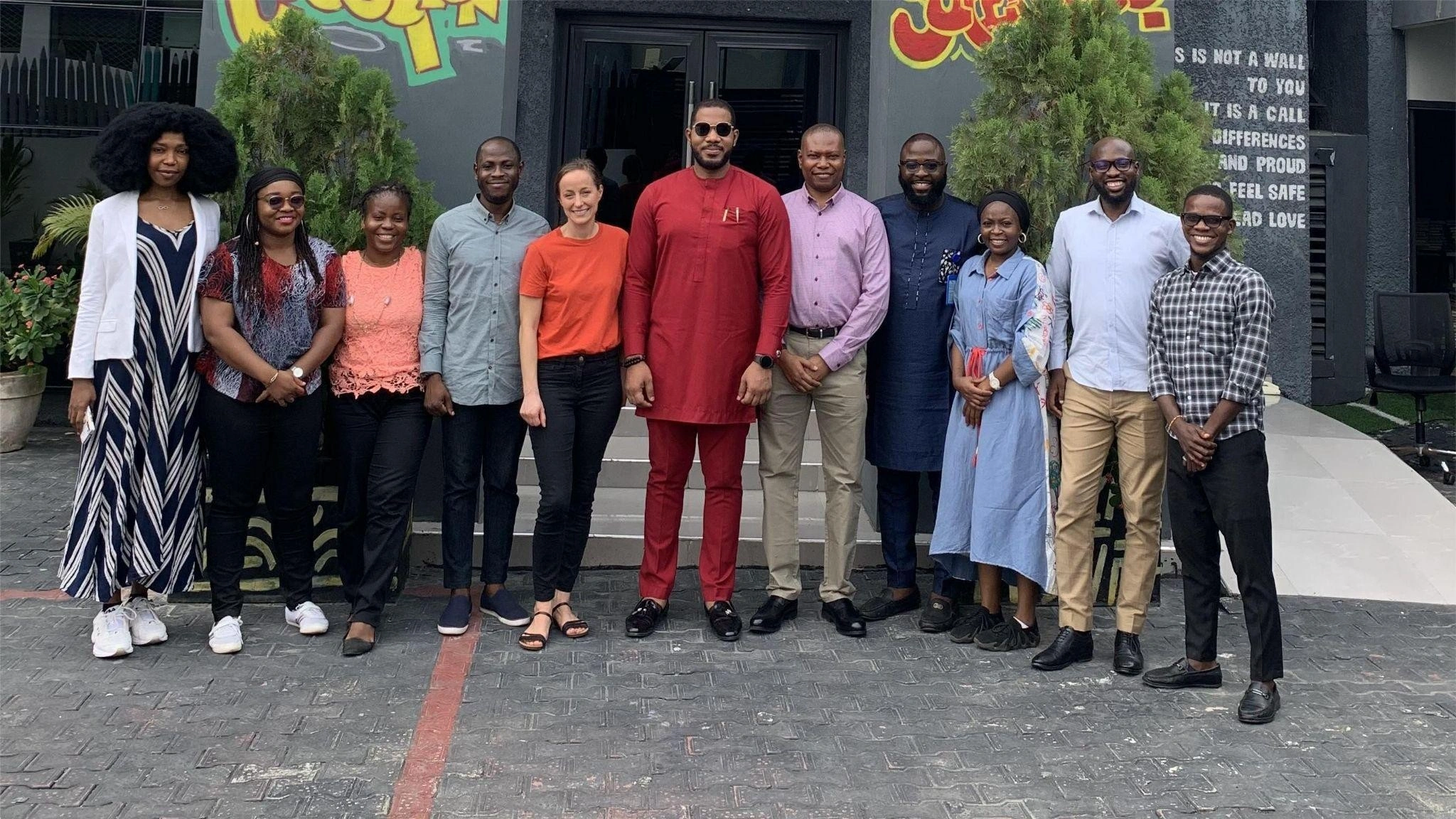
Slum2School Africa’s model emphasizes community ownership, digital inclusion, and holistic support integrating foundational learning with health, psychosocial care, and infrastructure solutions. Together, these holistic approaches scale interventions that go beyond enrollment, ensuring child domestic workers remain in school, thrive academically, and have equitable opportunities to succeed.
For many learners, the program represents a first opportunity to access structured education after years of nonexistent, interrupted, or informal learning.
Milestones: Lagos Pilot
In its first phase, the partnership launched an education support initiative in Makoko, one of Lagos’ most underserved waterfront communities, and in several other riverine and informal settlements across Lagos Mainland, Ibeju-Lekki, Amuwo-Odofin, Epe, and Badagry LGAs, including Iwaya, Adekunle, Apakin, Sabokoji, Bishop Kodji, Saga, Ajara, Idale, Ikoga, Topo, Agbojetho, and Apa.
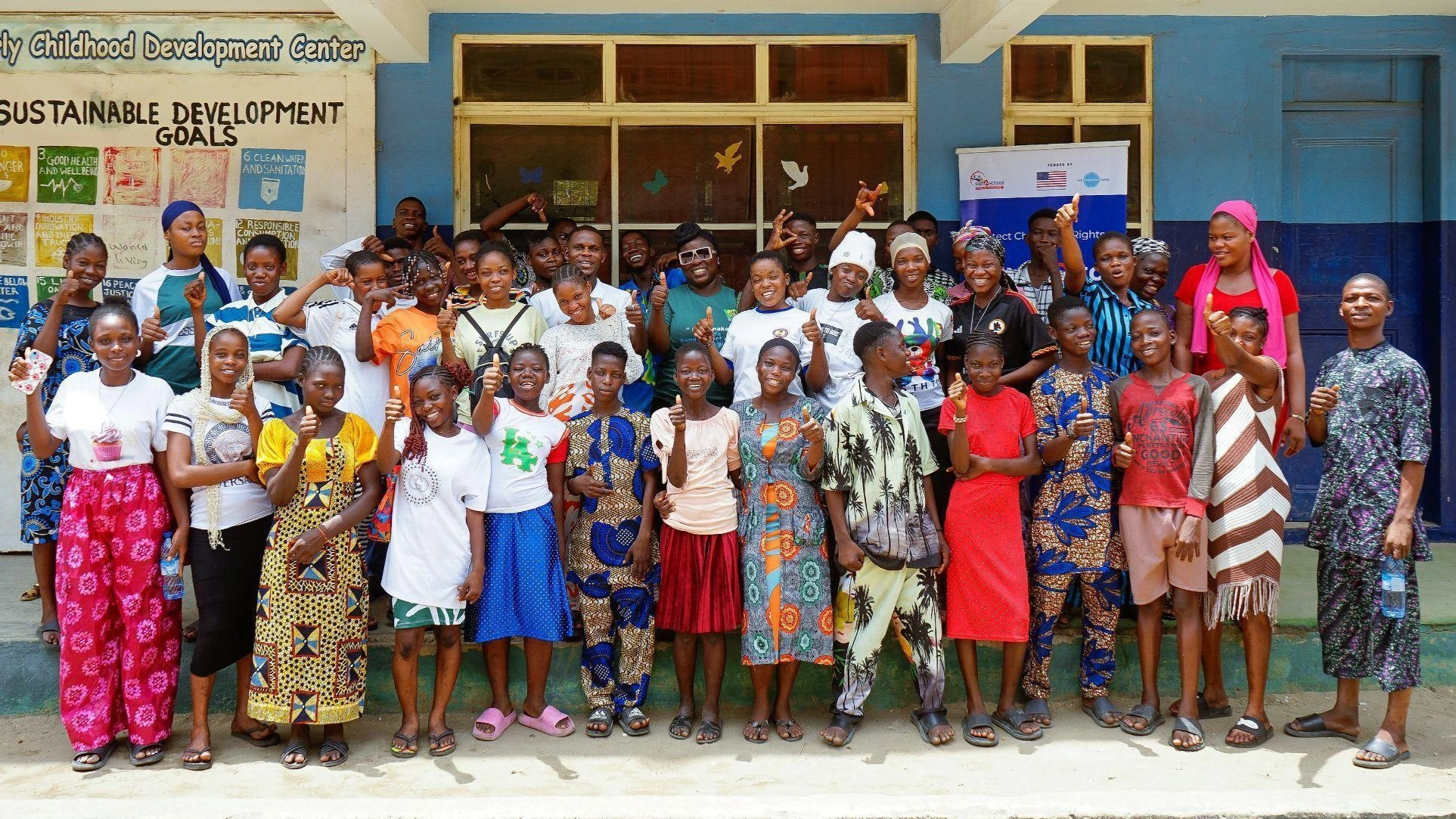
The program has facilitated the enrollment of 350 child domestic workers into formal schooling and skill acquisition programs, many of whom are accessing structured learning pathways for the first time. Beyond enrollment, learners have received school supplies, orientation sessions, and tailored transition support designed to improve retention, ease integration into classrooms, and address foundational learning gaps.
The initiative is delivered in collaboration with local education stakeholders, including representatives from the Lagos State Universal Basic Education Board (LASUBEB), school leadership, and school-based management committees, reinforcing alignment with public education systems and strengthening accountability for learner retention and progress and overall well-being within schools.
The partnership is also driving measurable community-level change. More than 200 community leaders, caregivers, and household heads are actively discouraging child domestic work and promoting education and vocational pathways, alongside increased identification and referral of at-risk children.
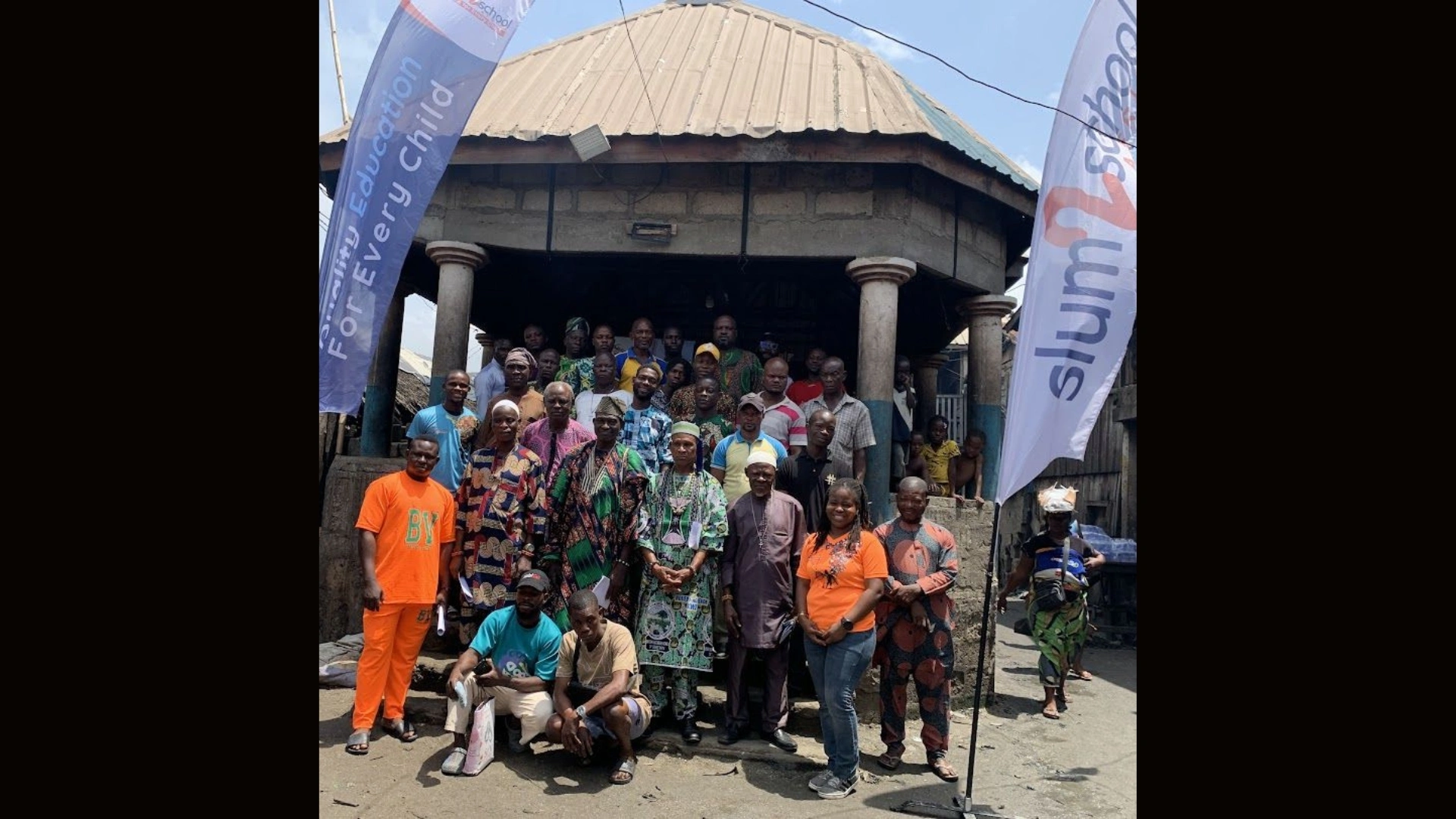
Sustained grassroots engagement led by trained community ambassadors has strengthened awareness, while religious and local institutions are integrating child protection messaging into community dialogue.
These efforts form part of a broader, community-led advocacy approach shifting social norms, influencing behaviors, and strengthening collective accountability for child protection.
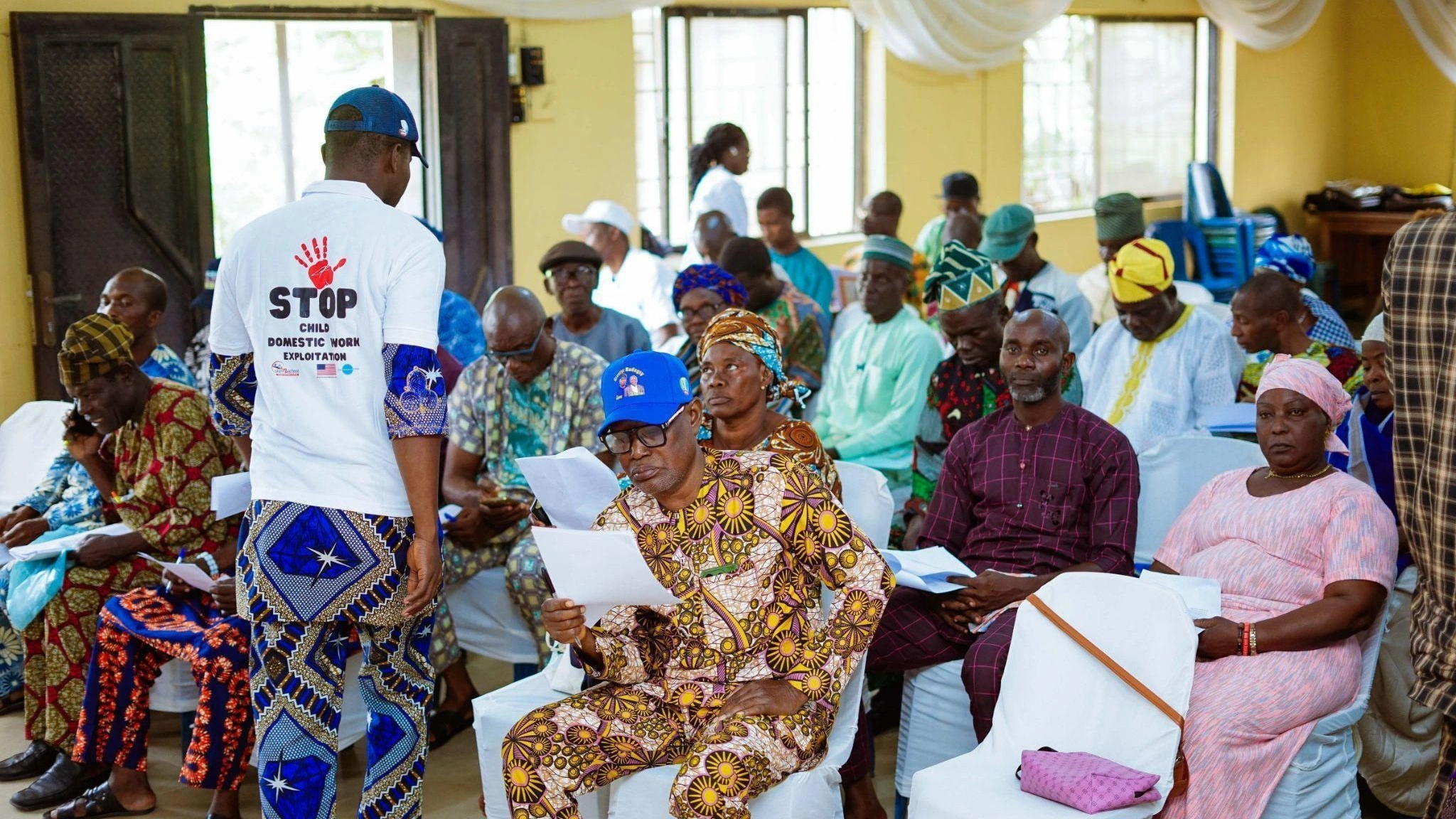
Within schools, safeguarding capacity has been strengthened, with over 280 teachers trained in child rights, protection, and inclusive teaching practices improving early identification and support for vulnerable learners.
A notable example took place on 29 November 2025 in Makoko, where teachers and community officers from across multiple LGAs gathered at ECDC Adekunle Anglican Primary School for a full-day “CDW Champions” training. They learned practical, hands-on skills in designing intentional and inclusive lesson plans, differentiated teaching strategies, and using storytelling, songs, rhymes, art, music, and drama as tools to help children heal from trauma, express emotions, and stay engaged in class even in low-resource settings.
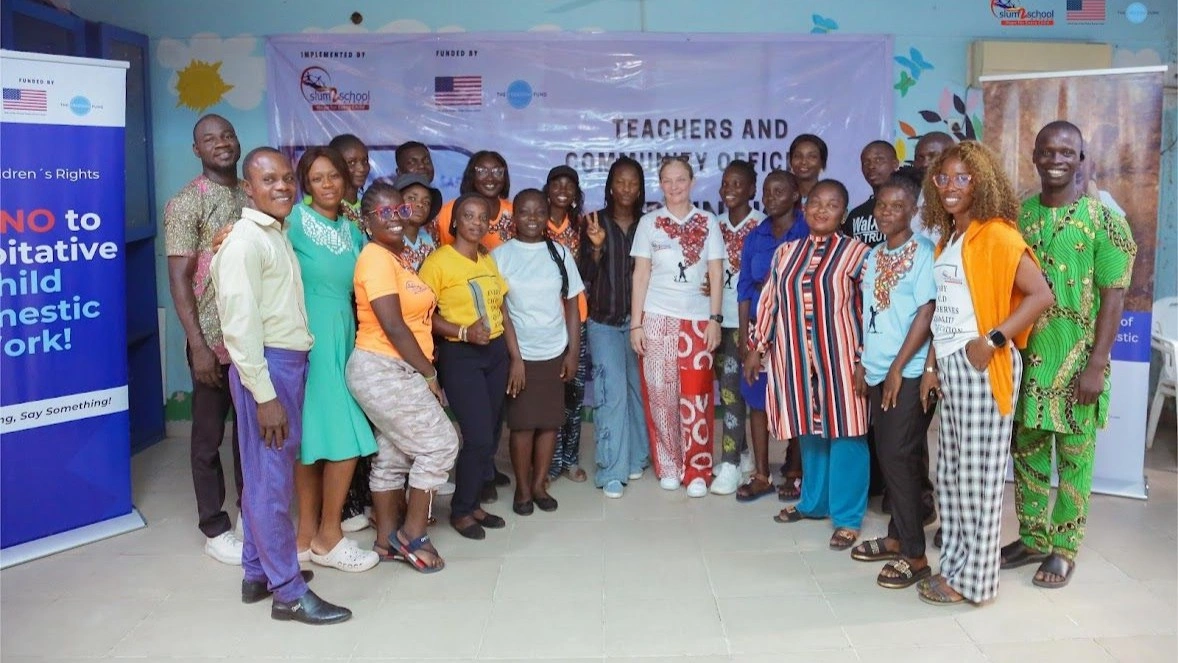
The partnership is also enhancing referral pathways and coordinated response systems for child protection. Through collaboration with organizations such as Cece Yara Child Advocacy Centre, alongside government agencies including the Lagos State Domestic and Sexual Violence Agency (DSVA), the Nigerian Police Force, and the Ministry of Justice, the program is enabling more effective reporting, case management, and survivor support.
This strengthened ecosystem is already demonstrating results, including in the very recent Quarterly Mentorship and Psycho-Social Support Sessions held for Child Domestic Workers. On 3 March in Amuwo-Odofin and 4 March in Ibeju-Lekki, a total of 77 CDWs came together in safe, confidential spaces.
The children openly shared their educational journeys; their school attendance, learning progress, and, for many in Ibeju-Lekki, their experiences in vocational skills training. They spoke candidly about what keeps them motivated and the daily challenges they face at home, school, training centers, and work.
In the psycho-social support check-in, they learned to recognize signs of stress, fear, and emotional distress and practiced healthy coping strategies such as speaking with trusted adults, journaling, and simple breathing techniques. The sessions also equipped them with clear, safe pathways for reporting abuse or exploitation. At the close, the children expressed heartfelt appreciation for the chance to speak freely and feel truly heard. Many left with personal commitments to their education, safety, and well-being, a powerful reminder of the human impact behind every statistic.
In one instance, a child domestic worker experiencing prolonged abuse was identified through a trained community ambassador, triggering a coordinated multi-agency response that led to the child’s rescue, access to psychosocial support, and safe reunification with family, alongside legal action against the perpetrator.
The program is also expanding alternative pathways through vocational skills development, with growing acceptance among caregivers. Skills such as hairdressing and tailoring are being positioned as complementary opportunities, helping reduce vulnerability to exploitative labor while strengthening economic resilience.
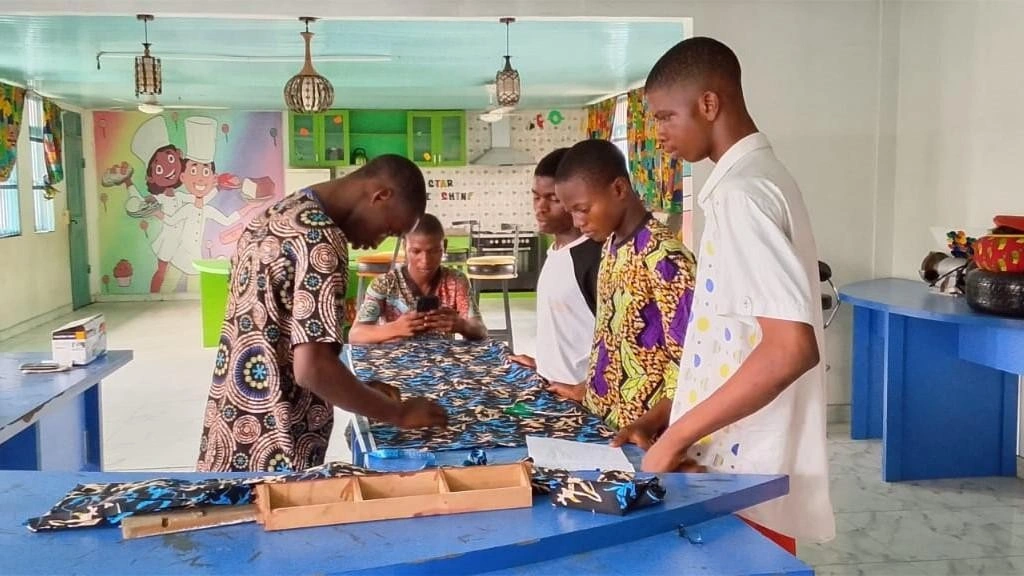
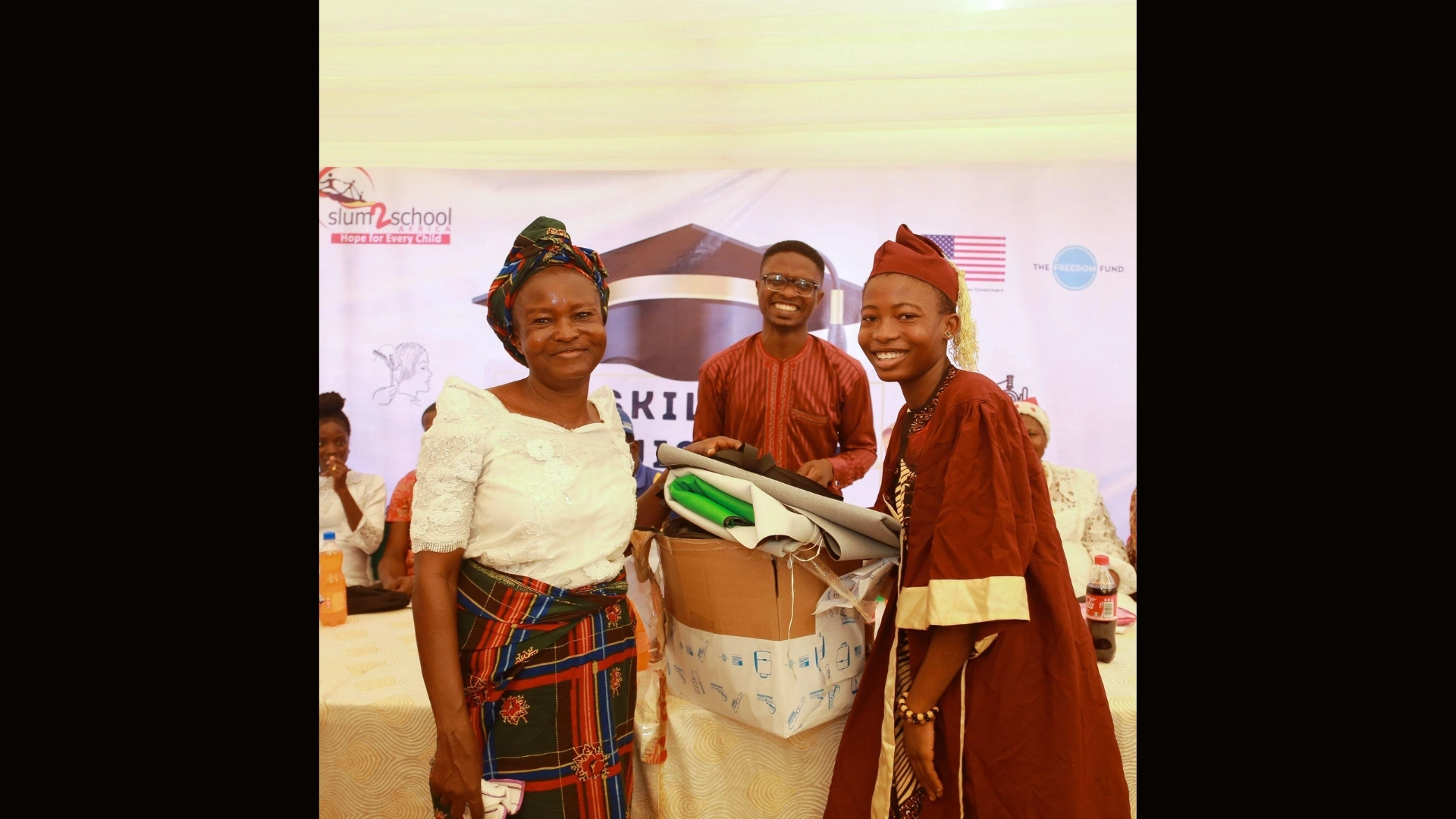
This shift was evident during a recent graduation ceremony for child domestic workers who completed their training, where families traveled long distances to celebrate their children’s achievements and new beginnings.
Stakeholders at the launch, including community leaders and educators, emphasized the importance of shared responsibility, with caregivers, teachers, and community actors playing active roles in ensuring consistent school attendance and supporting learners as they transition into formal education.
Despite this progress, economic pressures continue to shape decision-making for many families, with some children opting for vocational pathways over formal education in response to immediate income needs. These realities underscore the importance of integrated support systems that address both educational access and the socio-economic challenges faced by vulnerable households.
Strategic Priorities
The partnership is guided by strategic priorities focused on delivering both immediate impact and long-term sustainability. Central to this is the expansion of access to education through the scaling of tailored learning initiatives across underserved riverine and informal settlements, with a strong emphasis on retention, transition support, and community empowerment.
In recognition of the complex realities faced by child domestic workers, the program adopts an integrated approach that combines psychosocial support, mentorship, and active caregiver engagement to help learners overcome barriers to education and personal development.
Equally critical is a commitment to community-driven design, with the partnership working closely alongside local leaders and education stakeholders to co-identify priorities, strengthen trust, and foster shared ownership within target communities.
The program continues to evolve through ongoing learning and adaptation, including a shift toward more localized, community-based engagement models and expanded psychosocial and mentorship support to improve participation, retention, and overall learner outcomes.
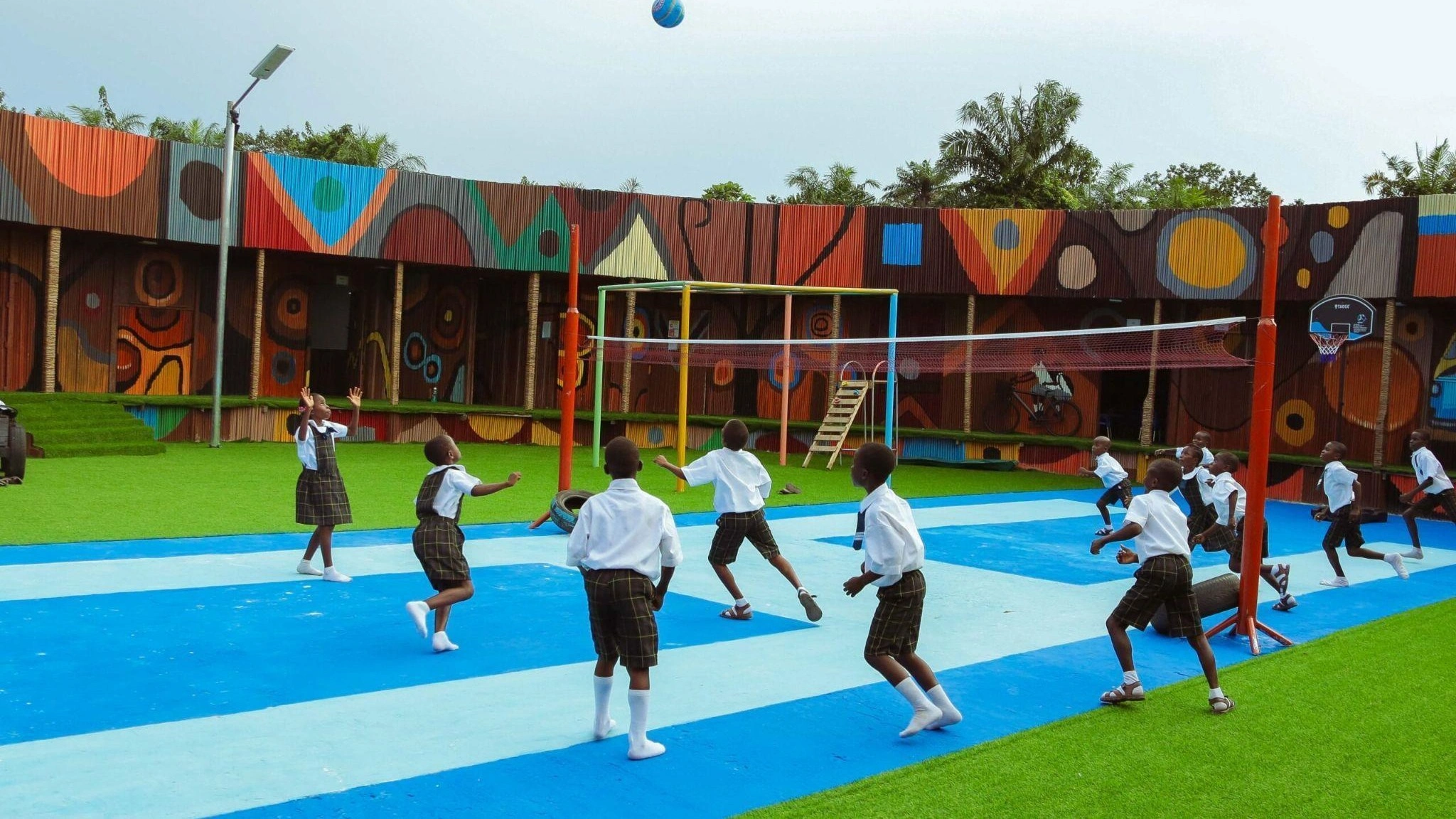
Looking ahead, the initiative is exploring the integration of innovative models such as Slum2School Africa’s Green Academy, which introduces children and young people to sustainability-focused learning and green skills. By connecting education to future-oriented livelihoods, the program aims to reduce long-term vulnerability and expand pathways to economic resilience.
To ensure lasting impact, the initiative also focuses on sustainability by linking local schools and community-based efforts with broader systems, including government education authorities such as the Lagos State Universal Basic Education Board (LASUBEB), alongside private sector partners and civil society organizations, thereby embedding long-term support structures for vulnerable children.
Leadership Statements
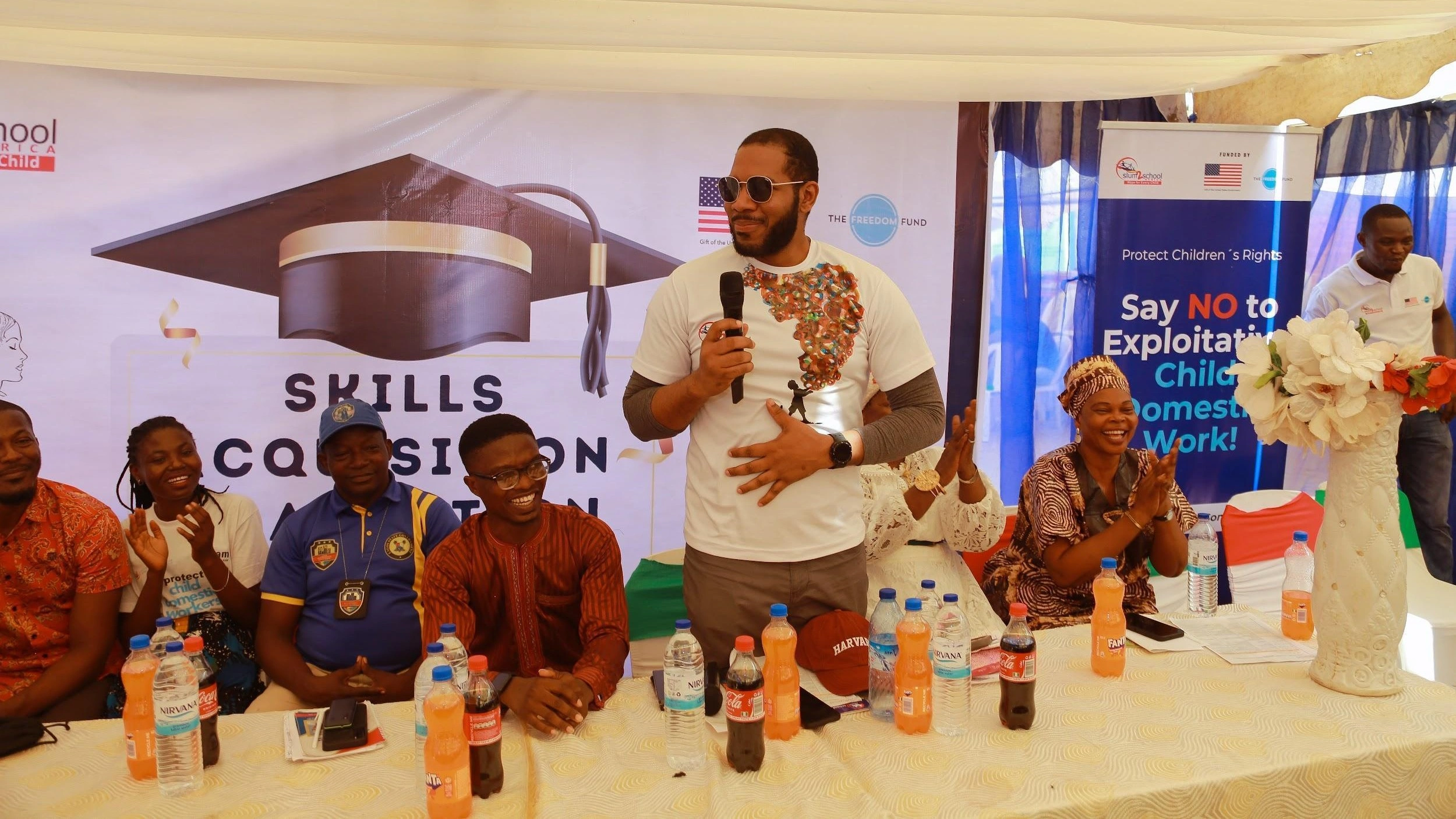
Orondaam Otto, Founder and Executive Director of Slum2School Africa, said, “This partnership with The Freedom Fund with funding from the U.S. Department of State marks a pivotal moment in our mission to remove structural barriers to education for child domestic workers long left behind. Together, we are advancing not just access to schools but meaningful, sustained opportunities for learning, growth, and dignity.”
Azeez Ajifowoke, Head of Social Work and Safeguarding at Cece Yara Child Advocacy Centre, added: “When you invest in a child’s education, you invest in the whole community. These schoolbags may be small, but the promise inside them is enormous.”
About Slum2School Africa
Slum2School Africa is a volunteer-driven nonprofit organization committed to transforming education outcomes for underserved children across Africa. Through innovative, community-driven models, the organization has reached over a million learners by improving access to quality education, digital learning, and life-changing opportunities.
About The Freedom Fund
The Freedom Fund is a global organization dedicated to ending modern slavery. It works with frontline partners to address the root causes of exploitation and create sustainable pathways to freedom for vulnerable communities.
Media Contact
For more information, partnerships, and inquiries, contact: [email protected]

