 Follow Us on Google News
 Follow Us on Google Discover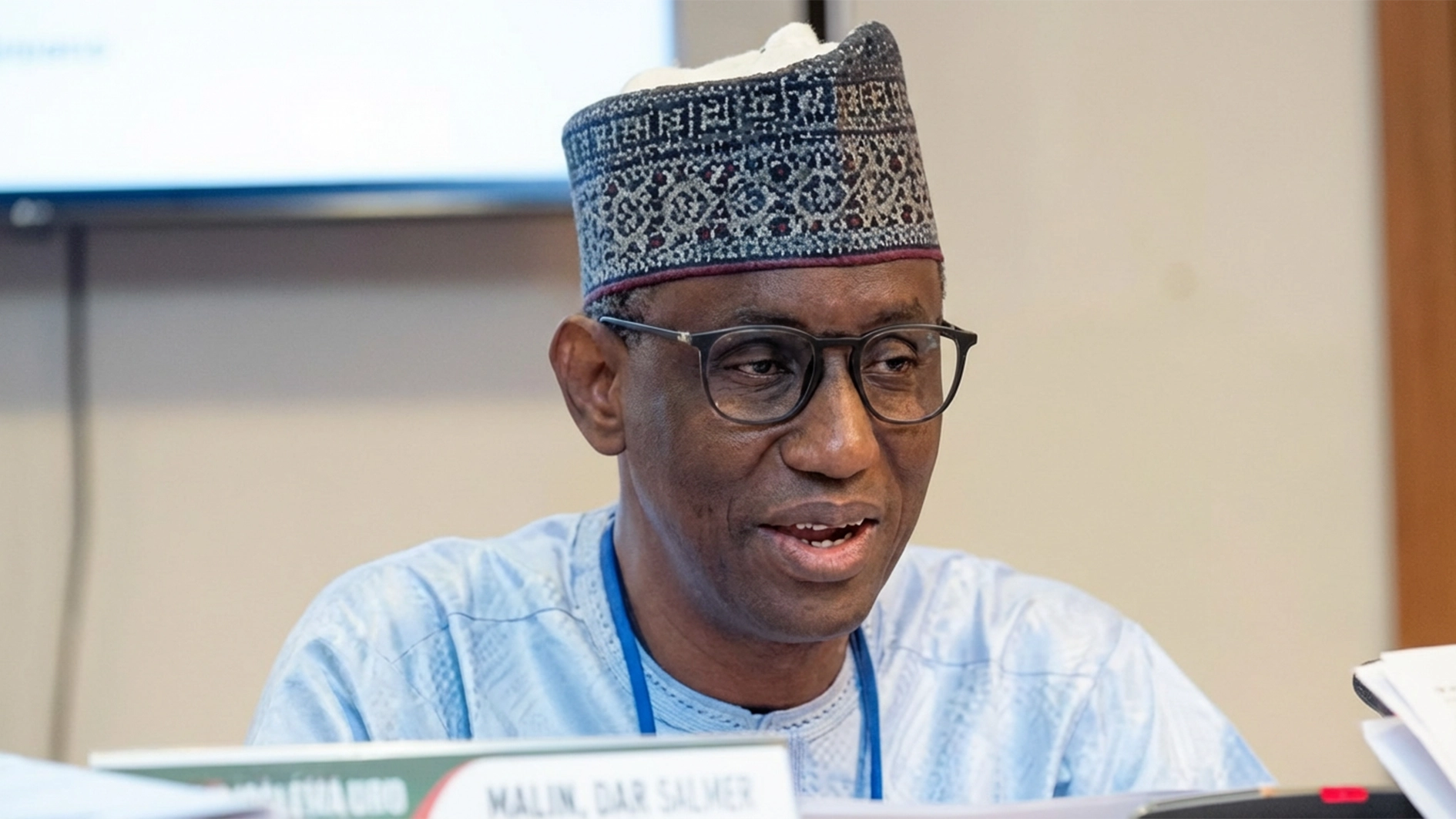
The Office of the National Security Adviser (ONSA) has canvassed stronger coordination between transportation safety oversight and national security response mechanisms as the Federal Government concludes the relocation of the Nigerian Safety Investigation Bureau (NSIB) to the presidency.
The new arrangement, approved by President Bola Tinubu in March 2026, removed the NSIB from the supervisory control of the Federal Ministry of Aviation and Aerospace Development to the Presidency through the ONSA.
The NSIB said that the ONSA made the statement last Thursday at a high-level stakeholder meeting held at the Joint Intelligence Board Hall in Abuja.
According to the statement, apart from the ONSA, government officials and transport sector regulators also described the move as a strategic step aimed at strengthening investigative independence, improving emergency coordination and addressing growing national security concerns linked to transportation incidents.
The meeting, chaired by the National Security Adviser, Mallam Nuhu Ribadu, according to the statement, drew participation from top officials across the aviation, maritime, rail, road transport, finance, justice, and emergency response sectors.
Among agencies represented were the Nigeria Civil Aviation Authority (NCAA), Federal Airports Authority of Nigeria (FAAN), Nigerian Airspace Management Agency (NAMA), Nigerian Railway Corporation (NRC), National Inland Waterways Authority (NIWA), Nigerian Ports Authority (NPA), Federal Road Safety Corps (FRSC), National Emergency Management Agency (NEMA), Nigeria Police Force, the Armed Forces, the Central Bank of Nigeria (CBN), and the Nigerian National Petroleum Company Limited (NNPCL).

Stakeholders at the meeting said the increasing complexity of transportation accidents and emergencies now requires stronger collaboration between safety regulators, intelligence agencies, and emergency responders.
Speaking during the engagement, Director-General of the NSIB, Alex Badeh Jr., said the new reporting structure would strengthen operational independence and eliminate delays often encountered during accident investigations.
“Our responsibility remains preventive, not punitive. The Bureau determines probable causes of accidents, identifies systemic safety gaps, and issues recommendations aimed at preventing future occurrences. We do not regulate, prosecute, or apportion blame,” he said.

