 Follow Us on Google News
 Follow Us on Google Discover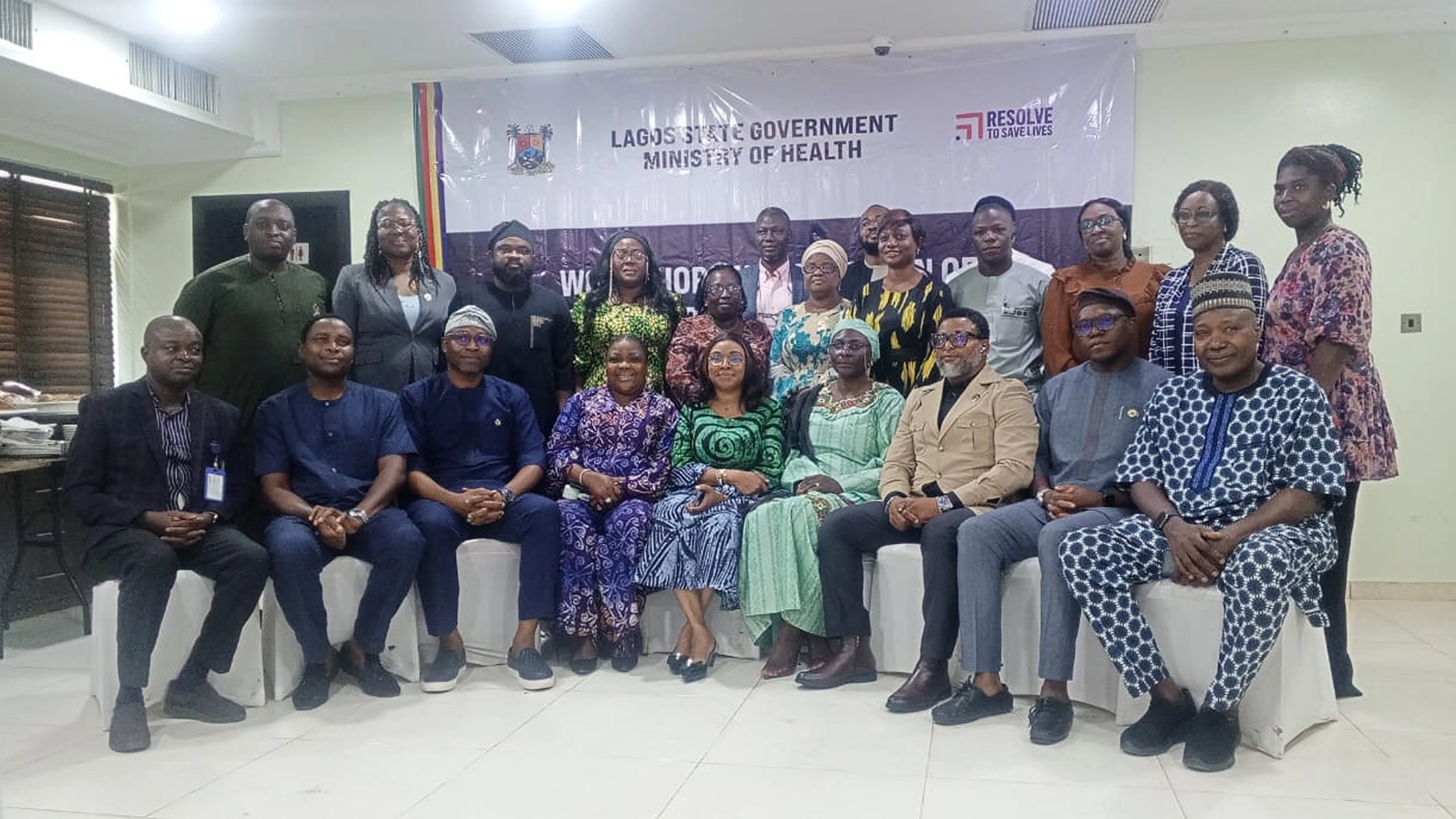
Resolve to Save Lives (RTSL) in partnership with the Lagos State Government has concluded a three-day stakeholders’ workshop aimed at developing a comprehensive strategy to tackle lead poisoning and reduce public exposure to toxic substances across the state.
The workshop was organised to strengthen policies, improve surveillance systems and create greater public awareness on the dangers of lead contamination in consumer products, water sources and the environment. It was attended by officials from the health, environment, consumer protection and water management sectors .
Speaking, the Permanent Secretary, Lagos State Ministry of Health, Dr. Dayo Lajide, described the workshop as a demonstration of the state’s commitment to protecting residents through evidence-based interventions and stronger environmental health policies.
“Lead poisoning remains a major public health and environmental challenge in Nigeria. Exposure to contaminated consumer products and unsafe industrial activities continues to pose serious risks to residents,” she said.
Lajide explained that the workshop would help stakeholders review existing challenges, improve inter-agency collaboration and align efforts towards measurable outcomes.
The Director of Health Care Planning, Research and Statistics at the Ministry of Health, Dr. Olajumoke Oyenuga, said the workshop was organised to domesticate the national strategic plan on lead poisoning prevention in Lagos State.

She stressed the need for stronger advocacy to educate residents about the dangers of contaminated creams, unsafe consumer products and environmental exposure.
The General Manager of the Lagos State Consumer Protection Agency, Afolabi Solebo, also raised concerns over illegal battery recycling, electronic waste processing and industrial emissions in areas such as Ikorodu, Alaba and Ajegunle.
He assured residents that the agency would intensify enforcement of safety standards, expand public sensitisation campaigns and ensure that only safe products are sold in Lagos markets.
The Executive Director of RTSL, Dr. Nanlop Ogbureke, said the initiative forms part of efforts to support Lagos State in creating an implementation roadmap that would eliminate lead from cosmetics and other consumer products.
According to her, lead poisoning remains a major public health challenge because of its severe impact on children, women of childbearing age and adults.
“We are working together in supporting Lagos State to develop an implementation plan for a roadmap that will enable the state to remove or eliminate lead from different sources. We are starting with lead in cosmetics and later extend to other consumer products,” she said.
Ogbureke explained that lead exposure has become widespread due to mining activities, industrial pollution, contaminated soil and water, unsafe waste disposal practices and the use of certain consumer products.
She warned that even low levels of exposure could result in lifelong health complications, particularly among children, where lead contamination can impair brain development, reduce learning ability and affect future productivity.
She noted that Nigeria has experienced several outbreaks and continuous exposure risks linked to lead contamination, making it necessary for governments and stakeholders to strengthen preventive measures and improve public enlightenment campaigns.
According to her, RTSL launched its lead poisoning prevention programme in Nigeria in March 2025 to support government efforts aimed at strengthening national systems for prevention and response. She added that Lagos is one of four pilot states selected for the programme alongside Kano, Kwara and Nasarawa states.
The workshop ended with stakeholders pledging stronger collaboration towards the implementation of sustainable policies and preventive measures aimed at protecting residents from the dangers of lead poisoning.

