 Follow Us on Google News
 Follow Us on Google Discover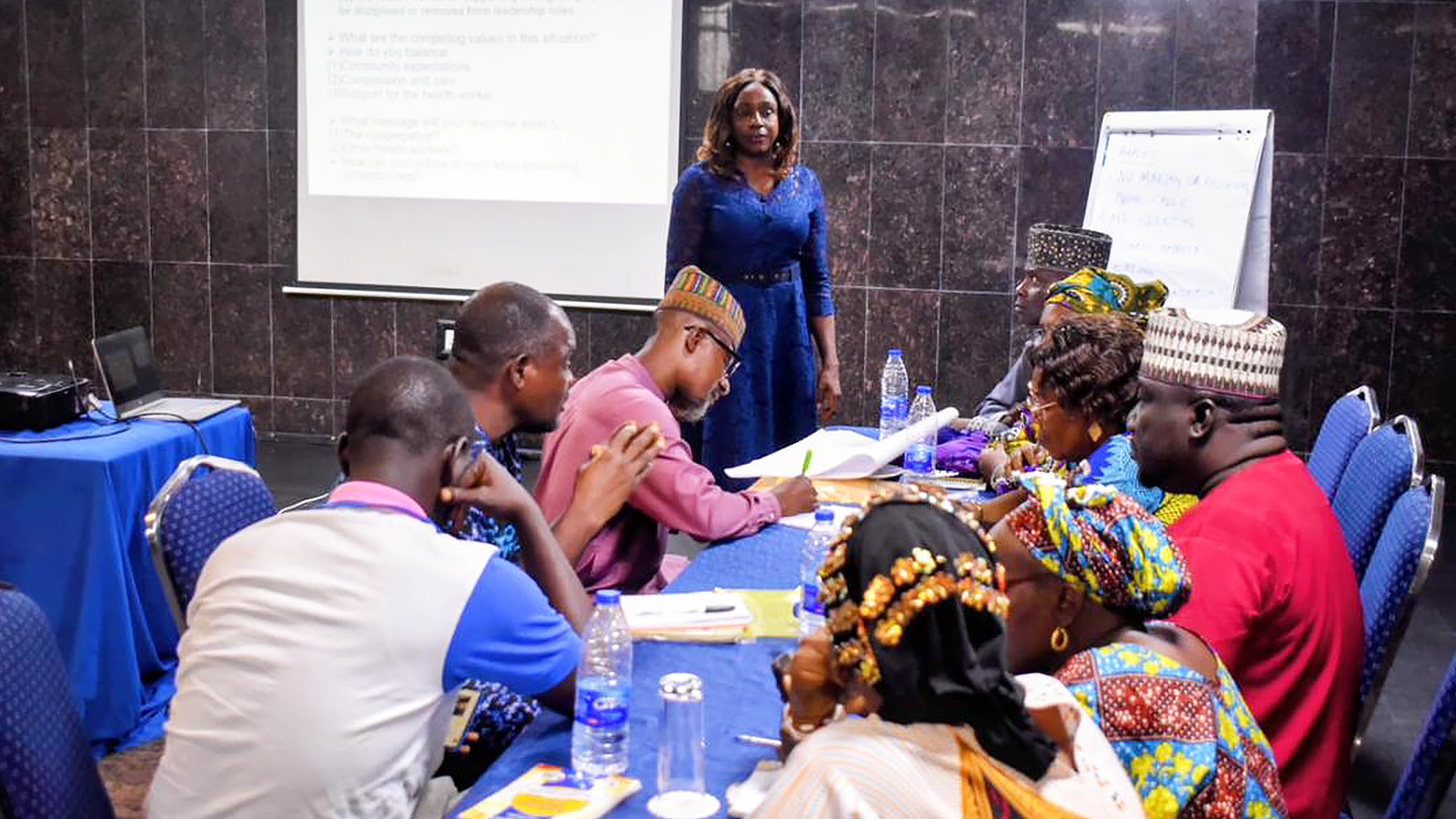
Leadership Initiative for Youth Empowerment (LIFE) has advocated for improved Sexual and Reproductive Health Rights (SRHR) policies and laws in Lagos state.
This was at a three-day capacity-building workshop, from May 12-14, 2026, which brought together 40 participants, including healthcare workers, youth representatives, community leaders, and representatives of civil society and non-governmental organisations.
The workshop aimed to strengthen advocacy around reproductive health-related laws and policies.
A health advocate, Dr Olusanya, who was the day one facilitator, said efforts are being intensified globally and within Lagos State to promote sexual and reproductive health and rights as a fundamental human right aimed at improving overall health outcomes.
She explained that sexual and reproductive health and rights encompass several aspects of healthcare, including maternal and child health, family planning, screening services, preventive care, and treatment for reproductive health-related ailments such as cancers.
Speaking on the importance of the initiative, she explained that the goal is to promote the mental, physical, and social well-being of individuals in matters relating to sexuality, not just the absence of disease, but the overall quality of life and dignity of every woman and girl.

“We are focused on building awareness around sexual and reproductive health and rights. That is the direction the global conversation is moving towards. Sexual health should be recognized as a fundamental human right,” she said.
According to her, effective implementation of sexual and reproductive health interventions would lead to healthier communities, healthier individuals, and a more productive workforce.
“We want people to have access to comprehensive sexual and reproductive health services as well. This cuts across the child, that is, having the right information, sexuality information which is age-appropriate, and then also up to adulthood.
“We are talking about screening services, preventive services, treatment services where applicable, and as a result, we hope that by doing this, we are also contributing to the overall development of our nation as a whole and also the development of the state as well by ensuring that our people are healthy,” she added.
Olusanya also highlighted efforts by the Lagos State Government to improve access to healthcare through universal health coverage initiatives and continuous recruitment of healthcare workers.
According to her, barriers to healthcare access, such as the inability to pay for services and the shortage of health personnel, are being addressed through strategic interventions by the state government.
“Lagos State has worked continuously to ensure that there is universal health coverage within the state and for the residents of the state. We are talking about access to healthcare.
“One of the barriers is actually the ability to pay for these services. Health insurance in Lagos is not optional anymore; it is mandatory, it is compulsory,” she stated.
She explained that through the ILERA-Eko health insurance scheme under the Lagos State Health Management Agency (LASHMA), residents can access healthcare services once they are registered.
“All they have to do is show their registration with LASHMA, and they have access to health insurance. It is a work in progress. We are working towards the SDGs and universal health coverage, and with these, we know that eventually we will be able to get there,” she said.
The physician stressed the need for government at all levels to formulate and implement the right policies that guarantee citizens’ fundamental human rights, especially in healthcare delivery.
She also urged health workers to avoid discrimination, maintain confidentiality, and ensure dignity in patient care, while calling on religious leaders to promote respect and compassion in healthcare issues.
“Health is a right, not a privilege. Dignity must be protected,” she said.
Speaking on safe reproductive health rights, Olusanya said safe termination of pregnancy could be considered in situations where pregnancy poses danger to a woman’s life or in severe medical conditions affecting the pregnancy.
She warned that unsafe termination of pregnancy remains a major cause of maternal mortality, stressing the need for reforms and greater understanding of global trends in reproductive healthcare.
LIFE Programme Officer, Obinna Okonkwo, said community stakeholders must first understand SRHR and related rights before engaging in advocacy for improved reproductive health laws and policies in Lagos State.
He explained that SRHR in the legal context means that every individual, including women and girls, is entitled to access sexual and reproductive health services.
The programme officer added that the training also focused on building participants’ advocacy capacity, including stakeholder mapping and message development tailored to different audiences.
“The first step is to build their capacity for them to engage in effective advocacy, because in as much as we are advocating for SRHR related laws and policies in Lagos state, they have to know first of all, how to take identify these stakeholders that can bring about SRHR policies and law changes, educate participants on how to frame appropriate SRHR messages be it religious bodies, community leaders, policymakers, lawmakers, civil society organizations amongst others”.
“Another aim for this workshop is to build capacity of community stakeholders on advocacy engagement to relevant stakeholders on SRHR issues affecting women and girls in Lagos state, ” he added.
The participants expressed great relief and appreciation after gaining a better understanding of their health rights, particularly in the area of sexual and reproductive health. Many of them noted that the session exposed them to vital information they had previously been unaware of, including their rights to access quality healthcare services, informed medical decisions, confidentiality, and protection from discrimination.
They also said the knowledge would empower them to educate others in their communities and advocate for improved healthcare services and policies.

