 Follow Us on Google News


 Follow Us on Google Discover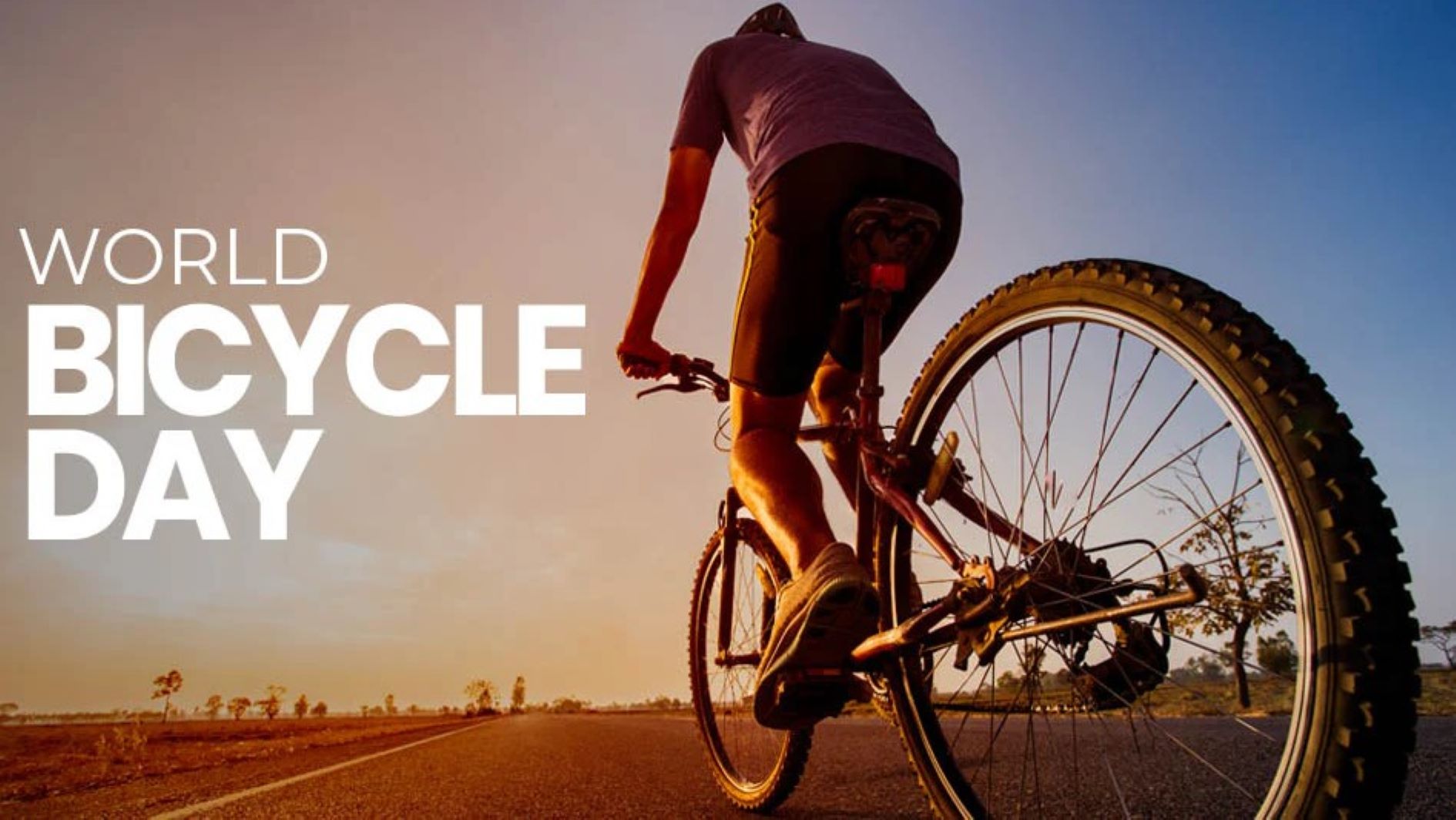
The Centre for Environmental Studies and Sustainable Development (CESSED), Lagos State University, yesterday, called for greater adoption of low-impact transportation models, such as bicycles, for short trips of less than five kilometres.
The Centre stated that if more short trips of five kilometres or less are made by bike rather than by car, cities would cut a significant chunk of transport-related carbon dioxide (CO₂) and air pollutants such as nitrogen oxides (NOx) and PM2.5 – a particulate matter that can enter the lungs.
In a statement to mark the 2026 World Bicycle Day entitled: ‘Cycling for a Greener Future,’ the Centre emphasised that the bicycle stands out as one of the simplest and most effective tools for change, adding that every kilometre cycled instead of driven cuts carbon emissions and air pollutants at the source.
World Bicycle Day is a global observance declared by the United Nations (UN) to recognise the bicycle as a reliable, affordable, clean, and sustainable means of transportation.
“The Day celebrates the bicycle’s role in improving health, reducing pollution, supporting mobility, and connecting communities. It is a celebration of low-impact living. Cycling for a greener future couldn’t be more fitting, as cities face rising temperatures, air pollution, and traffic congestion,” it said.
“A bicycle runs on human power. No fuel, no tailpipe emissions, no particulate pollution.

“A well-maintained bicycle can last decades with minimal parts replacement, as opposed to the lifecycle of a car, while the resource savings are substantial.
“The goal is not to eliminate cars overnight. It’s to normalise the bicycle as a viable, everyday choice for short trips. Each ride replaces a motorised trip, and collectively ensures cleaner air, quieter streets, and lower carbon emissions,” the Centre further stated.

