 Follow Us on Google News


 Follow Us on Google Discover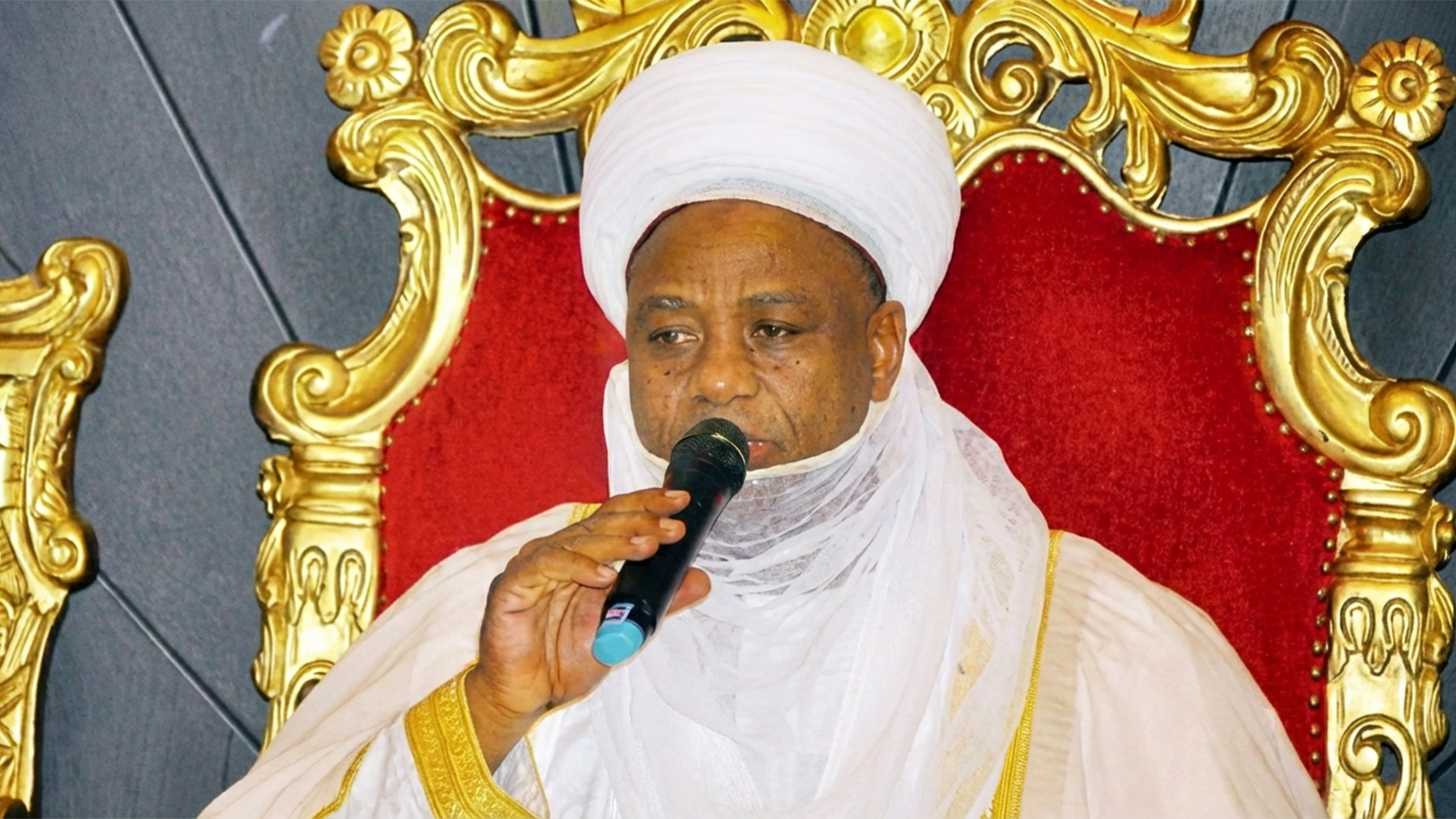
The Nigerian Supreme Council for Islamic Affairs (NSCIA) yesterday declared the commencement of the Islamic New Year, 1448 AH, and called on Nigerians to embrace unity, resilience and collective action in the face of worsening insecurity and economic challenges confronting the country.
NSCIA President-General and Sultan of Sokoto, Muhammad Sa’ad Abubakar, congratulated Muslims in Nigeria and across the world on the beginning of the new Hijrah year.
Reflecting on the significance of the Hijrah, the NSCIA urged Muslims to draw inspiration from the migration of Prophet Muhammad (SAW), describing it as a timeless symbol of faith, sacrifice, perseverance, resilience and unwavering trust in Allah.
However, the NSCIA expressed deep concern over Nigeria’s current situation, describing the nation as one of the most difficult periods in its recent history. According to the council, widespread insecurity, economic hardship and growing uncertainty continue to threaten national stability and citizens’ well-being.
In a statement by the Public Affairs Officer, Abbas Jimoh, the council condemned the abduction of schoolchildren and teachers, warning that such incidents pose a serious threat to the nation’s future and require urgent and decisive action.
Also, Governor Abba Yusuf of Kano State has urged Muslims to embrace the values of sacrifice and moral rebirth in the new Islamic year. In a statement by his spokesperson, Sunusi Tofa, Yusuf described the Islamic New Year as a period for deep reflection, gratitude and renewed dedication to the ideals that promote peaceful coexistence and societal progress.

Meanwhile, authorities in Saudi Arabia have unveiled the multi-million-dollar Holy Kaaba Kiswa, the black silk covering the most sacred site in Haram, Makkah, as part of an annual ritual.
The longstanding practice, which includes the removal of gold-embroidered ornaments, decorative elements, lamps, and other embellishments attached to the current Kiswa, as well as lowering the curtain covering the Kaaba’s door, was perfected at midnight on Monday of the first day in the Islamic new year.
The process, coordinated by the General Authority for the Care of the Affairs of the Grand Mosque and the Prophet’s Mosque, took a specialised team of Saudi experts several hours.
According to the Saudi Press Agency, the new Kiswa was transported from the King Abdulaziz Complex to the Grand Mosque under a carefully coordinated operational framework that meets international standards.
According to the release, Saudi craftsmen have continued to play a vital role in preserving the heritage and artistic excellence of the Kiswa with hand weaving, which is the essential aspect of producing specialised decorative pieces that require exceptional precision and craftsmanship.
Following the completion of dyeing, weaving, testing, printing, embroidery, hand weaving and assembly, the various components are brought together to form the complete Kiswa before it is installed on the Holy Kaaba.

