 Follow Us on Google News


 Follow Us on Google Discover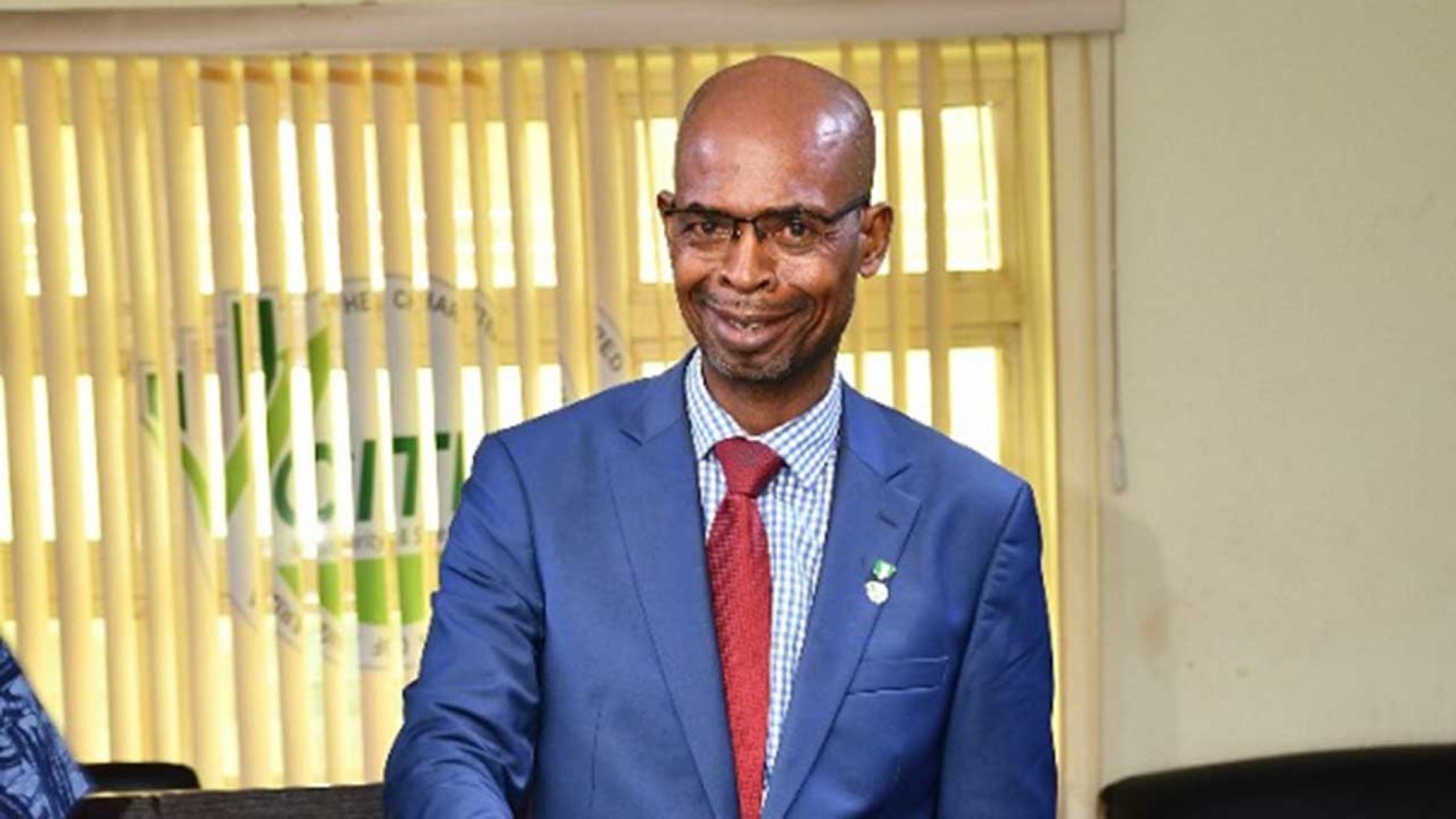
With the tax landscape evolving rapidly, the Chartered Institute of Taxation of Nigeria (CITN) has urged its members to embrace technical competence, relevant and responsive to emerging fiscal realities.
President and Chairman of Council, CITN, Innocent Ohagwa, said this during the issuance of practising licences to newly qualified and deserving tax professionals of the institute.
He noted that the event symbolises the high value that the institute places on professionalism, competence and integrity in the practice of taxation in Nigeria, as well as its commitment to ensuring that taxation, as a multidisciplinary and specialised profession, is practised only by individuals who are properly trained and certified.
According to him, the award of the CITN practising licence represents a defining moment in the tax professional’s career, which is a formal recognition of their competence and admission into the esteemed community of tax practitioners recognised by law.
As CITN-licensed practitioners, Ohagwa urged them to uphold the highest standards of ethical behaviour, technical competence and professionalism at all times.
Ohagwa stated that the ceremony was coming at a defining moment in Nigeria’s fiscal history, where the new tax reform has strategically and ethically elevated the role of tax professionals.
Sounding a note of caution, he said the institute would not hesitate to apply disciplinary measures where cases of misconduct are reported and established, adding that the institute’s investigating panel and disciplinary tribunal remained vigilant and empowered to always protect the integrity of the profession.

Chairman, Membership and Professional Conduct Committee, Dr Yemi Sanni, said the practice licence being presented was a symbol of competence, integrity, accountability and commitment to the highest standards of professional conduct.
Noting that the tax profession occupies a strategic position in every economy, especially in an era characterised by rapid technological transformation, evolving tax laws, increasing regulatory scrutiny, and heightened stakeholder expectations, Sanni maintained that the role of the tax practitioner had become more important than ever before.
The seminar had the newly licensed practitioners equipped with practical insights into the realities of professional practice, regulatory expectations, ethical obligations, quality service delivery, client management, risk management and the future of tax practice in an increasingly digital world.

