 Follow Us on Google News
 Follow Us on Google Discover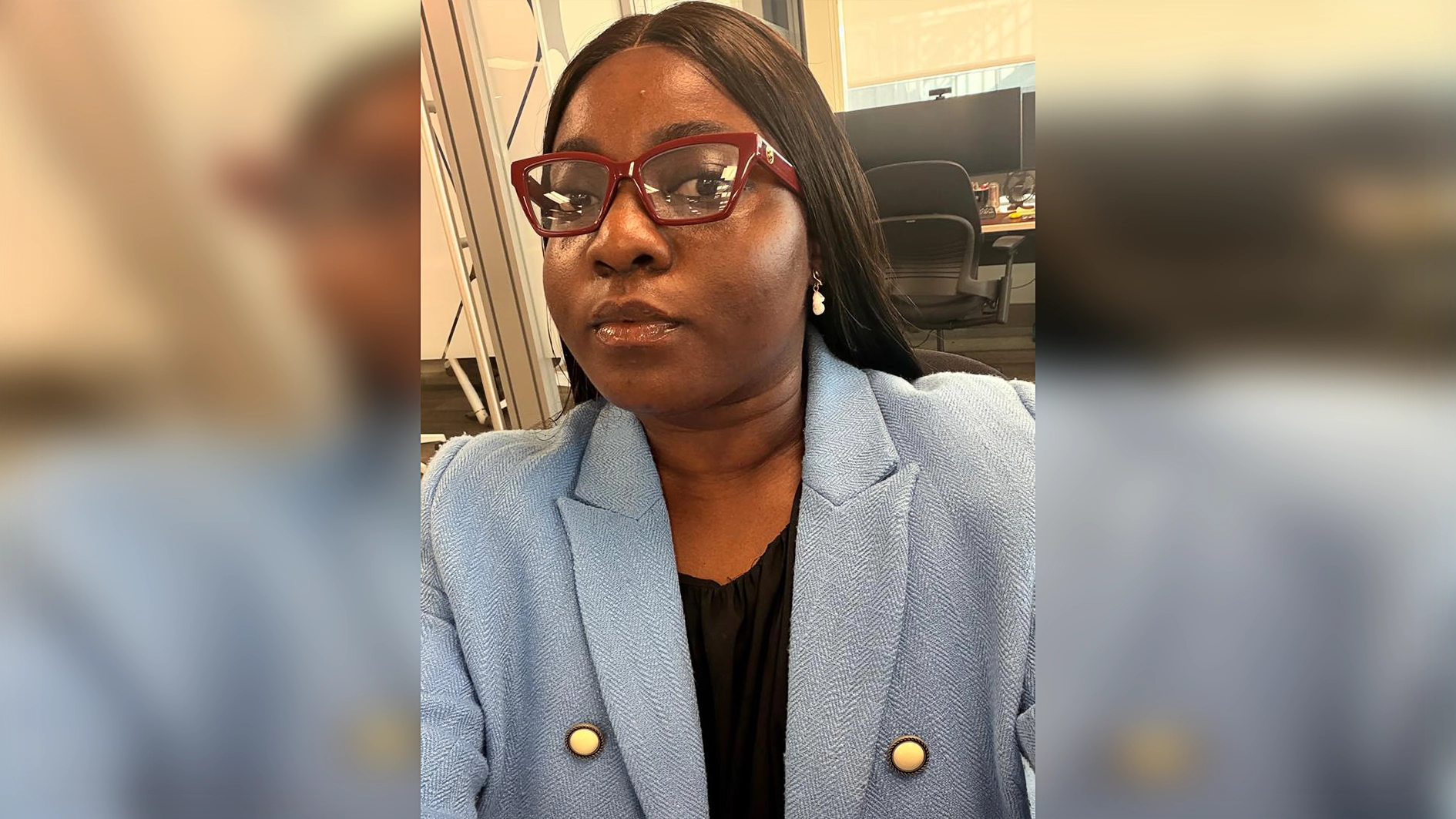
Oluwatobi Alebiosu, a United States-based Nigerian energy infrastructure attorney and project manager, has weighed in on gaps that need to be filled to unlock sustainable economic growth beyond oil.
In her words, “Nigeria would experience significant industry maturity if they pay more attention to improved project execution, regulatory stability, greater operational discipline and long-term planning”.
Alebiosu, who has worked on major energy and infrastructure projects in Nigeria and the United States, said countries that make significant progress in infrastructure development are often those that pro actively create systems that allow projects to move efficiently from planning to execution and constantly assess future barriers for pre-emptive derisking purposes.
Speaking on lessons Nigeria can draw from global infrastructure markets, she said access to financing alone, whilst inherently important, can never be enough to deliver critical infrastructure.
Alebiosu noted, “Many people assume infrastructure challenges are simply a financing problem, but financing is only one part of the equation. Projects need the right structure combined with all stakeholders’ alignment and strong execution to succeed.”
The Nigerian-born critical infrastructure & project development professional currently serves as a Senior Project Manager in one of the largest energy infrastructure company in the United States, where she is involved in the development of more than one gigawatt of utility-scale wind, solar and battery storage projects.

With a background in law, she worked with Templars, a tier one law firm in Nigeria, where she advised on major energy infrastructure & project development / finance transactions, including the development and financing of the ANOH Gas Processing Plant, one of Nigeria’s critical gas projects, as well as several power and renewable energy initiatives.
Alebiosu was consecutively recognized by the International Finance Law Review between the years 2021 to 2023 as a Rising Star, Project Development, a recognition that singles out exceptional lawyers on the basis of transactional work, client and peer feedback.
According to Alebiosu, one of the key differences between successful infrastructure markets and developing economies is the ability to maintain policy consistency and investor confidence throughout a project’s lifecycle.
She noted that while renewable energy is playing an important role in global infrastructure development, countries must focus on building resilient and diverse energy systems capable of supporting industrialisation, job creation and economic growth.
“Investors want clarity and predictability. They need confidence that projects can move from development to construction and operation without avoidable delays or uncertainty.
“The conversation should not be limited to whether energy is renewable or conventional. The focus should be on building systems that can reliably support economic activity and improve people’s quality of life,” she said.
Alebiosu, who provided commercial & legal advisory services on gas, power, infrastructure financing and renewable energy transactions in Nigeria before earning an MBA from the Kellogg School of Management at Northwestern University, said Africa’s development challenge was not necessarily a lack of ideas or opportunities but the ability to consistently deliver bankable projects.
She added that as governments across the world continue to invest heavily in infrastructure, Nigeria can accelerate its economic diversification efforts by strengthening institutions, improving project delivery frameworks and creating an environment that encourages long-term investment.

