 Follow Us on Google News
 Follow Us on Google Discover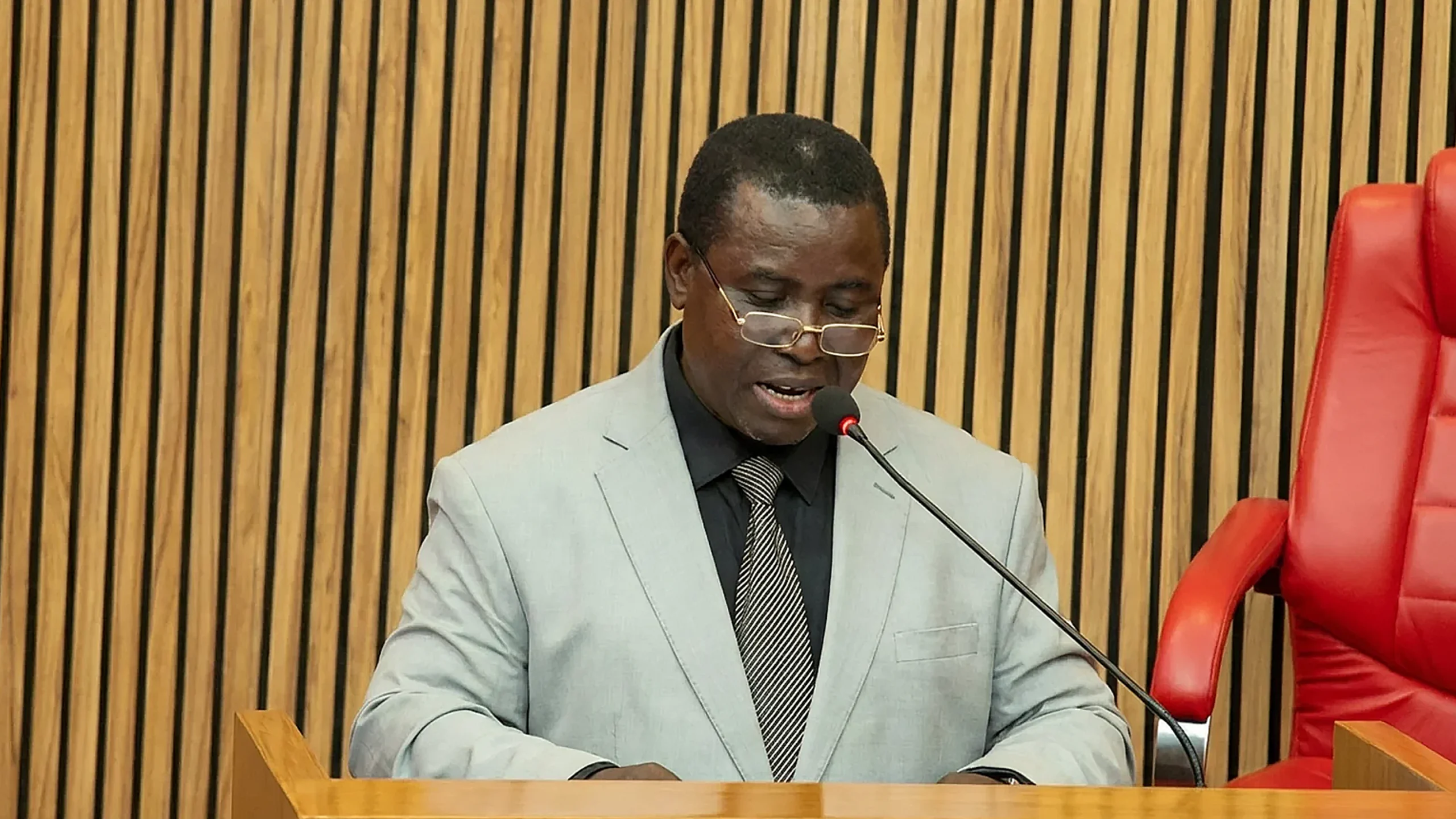

Chairman of the Independent National Electoral Commission (INEC), Prof. Joash Amupitan, has acknowledged that many Nigerians have lost confidence in the country’s electoral system, describing the trust deficit as one of the greatest threats to Nigeria’s democracy ahead of the 2027 general election.
He said restoring public confidence in elections would require sustained voter education and stronger collaboration between INEC and the National Orientation Agency (NOA) to combat misinformation and encourage citizens to participate in the electoral process.
Amupitan spoke on Wednesday at the INEC headquarters in Abuja while receiving the Director-General of the National Orientation Agency, Mallam Lanre Issa-Onilu, during a courtesy visit.
According to the INEC chairman, although the commission has invested heavily in election technology and improved electoral administration, those efforts would achieve little if Nigerians remain sceptical about the credibility of the process.
“We must be honest with ourselves. We are battling a silent, dangerous enemy in our electoral ecosystem: voter apathy and deep-seated cynicism. We see it in the off-cycle polls where turnout does not match the energy of our national conversations.
“We also see a sophisticated, orchestrated wave of fake news and disinformation designed to make the ordinary Nigerian believe their vote will not count. Together, INEC and the NOA must rewrite this narrative.
“We need to co-create a decentralized, grassroots voter education campaign that goes beyond simply telling people when to vote. We need to teach them why their vote matters and how our new legal and technological safeguards protect their choices. We must look the rural farmer, the marketplace woman, and the disillusioned urban youth in the eye and explain to them, in the language they understand, that because of the current technological infrastructure, the era of snatching ballot boxes or rewriting results manually is gone.
“As much as we try to improve our systems and processes, we are pushing against a perception that is not correct. I want us to be able to correct that perception because there is a trust deficit. There is a trust deficit, and we have learnt that trust underpins a lot of things.”
Amupitan said technology alone could not guarantee credible elections without an informed electorate, stressing that public enlightenment was as important as investments in electoral infrastructure.
“We can purchase the finest Bimodal Voter Accreditation System (BVAS) machines, optimise the INEC Result Viewing Portal (IReV) to international standards and perfect our logistics, but all these technological and administrative achievements mean nothing if citizens remain detached, cynical or completely uneducated about the power of their votes,” he said.
Drawing from his experience in academia, he likened the situation to acquiring sophisticated technology without training users.
“You can acquire everything, but if you fail to remove ignorance, you have failed to maximise its value,” he said.
The INEC chairman identified voter apathy and widespread misinformation as major challenges confronting Nigeria’s electoral process, saying fake news has contributed to the growing belief among many Nigerians that their votes do not count.
He said both institutions must work together to develop sustained grassroots voter education programmes that explain not only when people should vote but also why their votes matter and how the commission’s technological safeguards protect electoral outcomes.
Amupitan noted that recent elections, including the February 21 Federal Capital Territory Area Council polls and the June 20 Ekiti State governorship election, demonstrated improvements in INEC’s operations through early opening of polling units, successful biometric accreditation using BVAS and prompt uploading of results to the IReV portal.
He, however, said the elections also exposed persistent voter apathy and confusion among many voters over polling unit changes and voter registration transfers.
According to him, the development showed that civic education had not kept pace with improvements in election technology.
“As we prepare for the 2027 general election, we cannot afford to wait until the eve of the polls before talking to Nigerians,” he added.
Amupitan called for institutionalised collaboration between INEC and the NOA, including joint campaigns against vote-buying, misinformation and voter apathy, while pledging that the commission would provide the necessary support to strengthen civic and voter education across the country.
Earlier, NOA Director-General Mallam Lanre Issa-Onilu said the agency was ready to partner with INEC to deepen voter education, saying the 2023 elections exposed significant gaps in Nigerians’ understanding of the electoral process.
He said democracy could only thrive when citizens understood both their rights and responsibilities, adding that civic education should be a continuous exercise rather than one carried out only during election periods.
Issa-Onilu urged INEC to strengthen collaboration with the agency, noting that the NOA’s nationwide network of offices would help take voter education to communities across the country ahead of the 2027 elections.

