
NEED TO KNOW
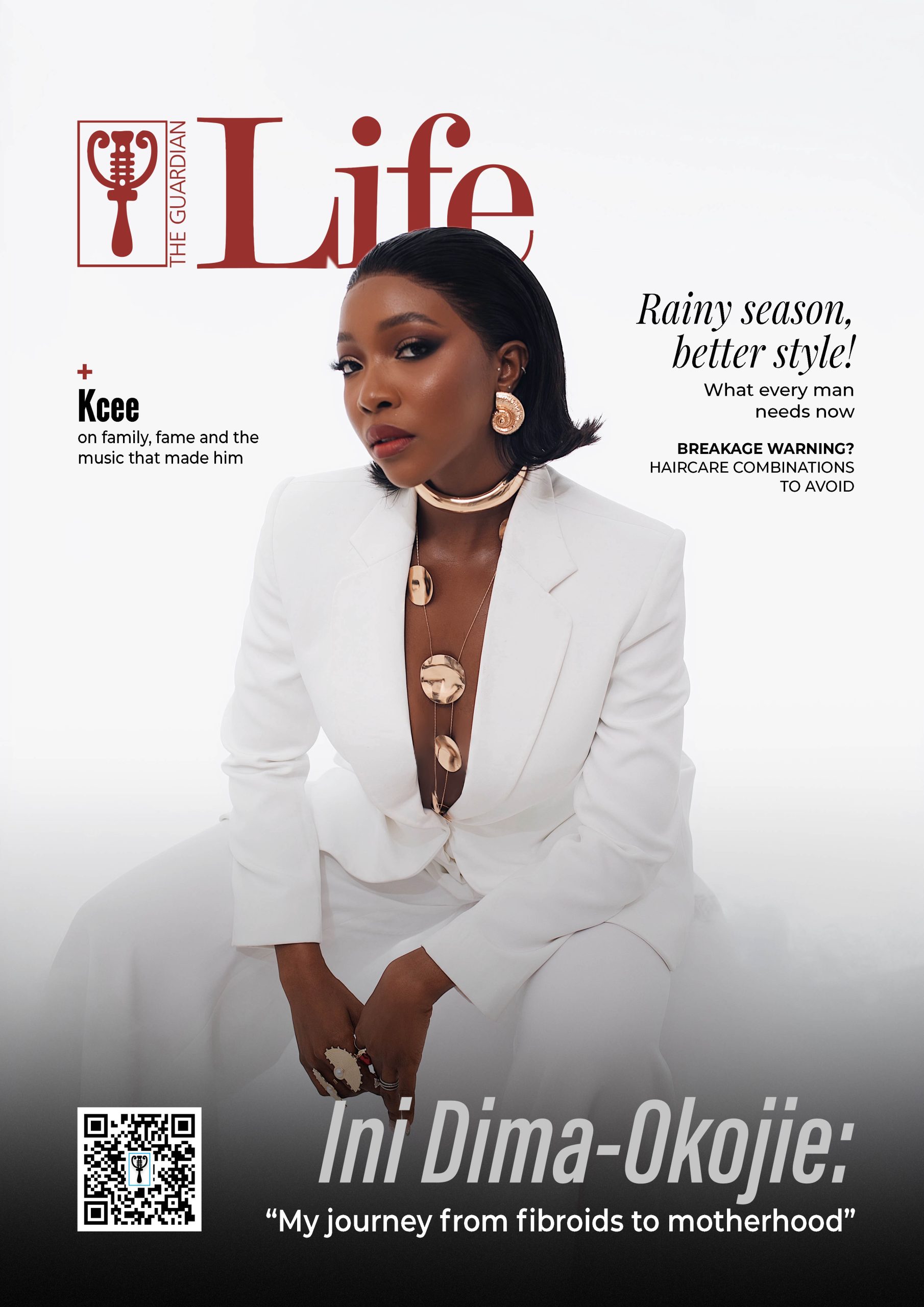
- Ini Dima-Okojie began her Nollywood journey as a production assistant on Before 30 before making her first television appearance in Taste of Love.
- She gained wider attention through roles in North East, Battleground, The Smart Money Woman, Namaste Wahala and Netflix’s Blood Sisters.
- In 2020, she opened up about her fibroid journey, using her experience to raise awareness and give hope to women facing similar health struggles.
- In 2026, Ini Dima-Okojie announced her first pregnancy and later welcomed her first child, a baby boy, at 36, marking a deeply personal new chapter in her life.
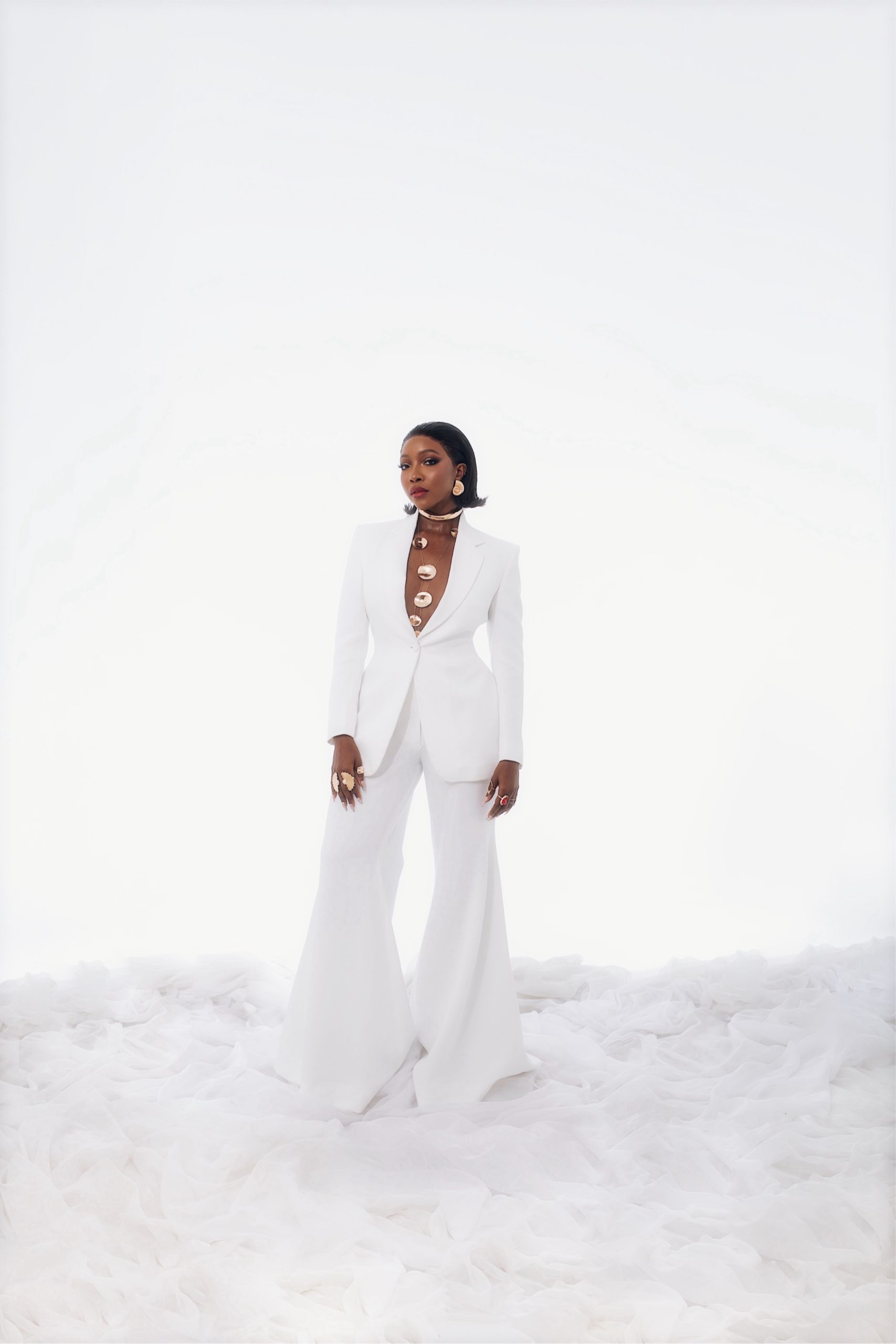
Ini Dima-Okojie has never been afraid to choose herself. Before Nollywood, she had a stable career in investment banking. It was safe, respectable and impressive, but she knew comfort was not the same as purpose.
So she walked away and followed acting. She went to acting school, committed to the craft, and slowly built her place in Nollywood. From North East to Battleground and Namaste Wahala, Ini became more than a familiar face. She became an actress with range, style and intention.
But her most personal story happened away from the cameras. When she shared her fibroid journey, she was not trying to look strong. She was trying to make another woman feel less alone. Her honesty became a quiet kind of hope.
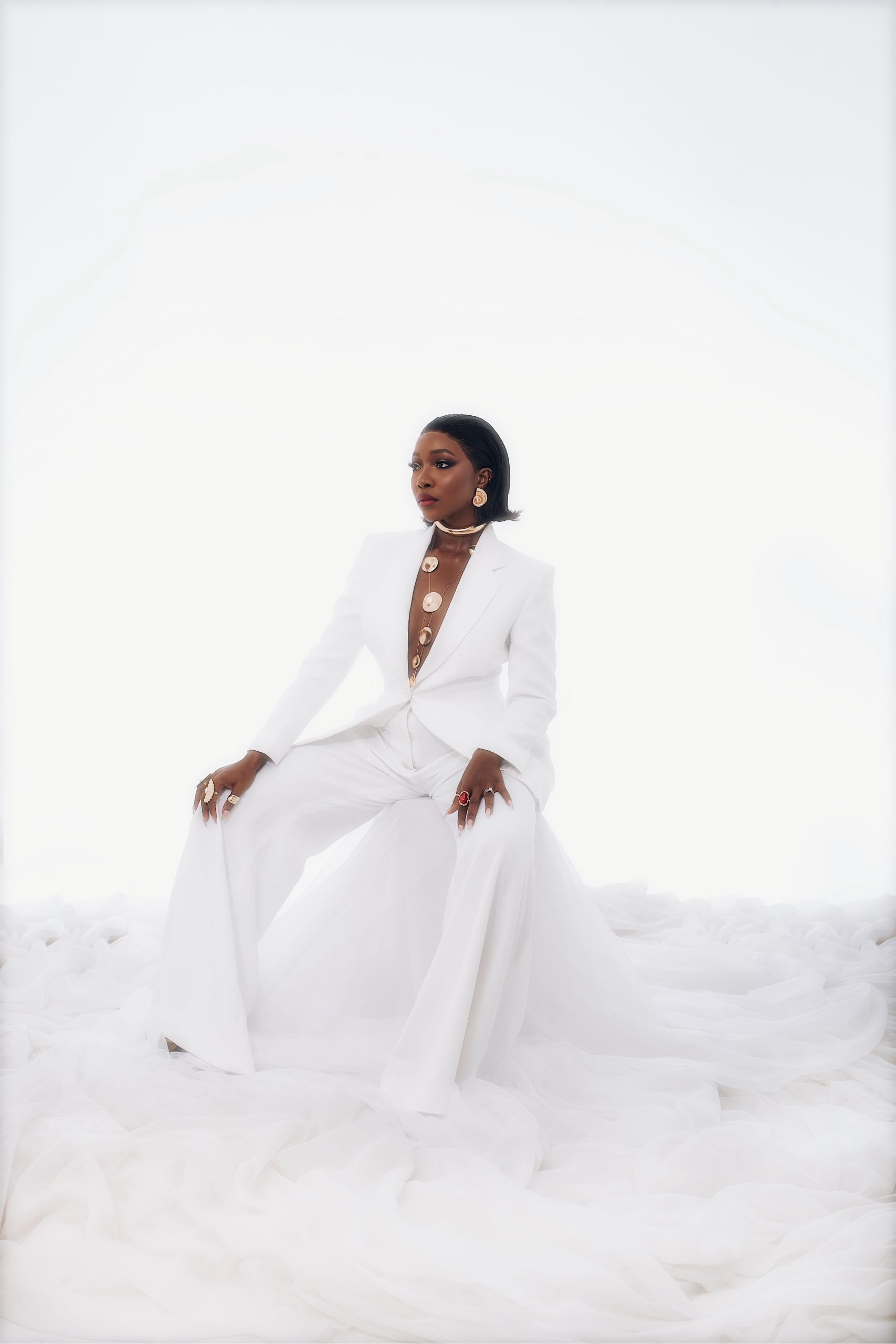
Speaking exclusively with Guardian Life, Ini opens up about motherhood, vulnerability, fame, purpose and the legacy she hopes to leave behind.
Congratulations on becoming a mum. Everyone talks about how motherhood changes a woman. What has surprised you the most so far?
I knew motherhood would be beautiful, but I didn’t realise just how intense the newborn phase would be. Nothing really prepares you for the physical demands, the emotional highs and lows, or how completely consuming those first few weeks are.
What has surprised me most, though, is how much it has changed the way I see women. I’ve always admired women, especially my mum, but becoming a mother has given me an entirely new appreciation for what mothers quietly carry every single day. It’s deepened my respect for women in a way I never imagined.
Many actresses choose to keep their pregnancies private, but you shared parts of yours with the public. What informed that decision?
When I was diagnosed with fibroids, I felt incredibly alone. I searched for stories that looked like mine and found very few. That experience made an already difficult season feel even heavier.
That’s why I chose to share my journey. Not because I had all the answers, but because sometimes seeing someone else walk a similar path gives you hope that you can too.
So when I became pregnant, it felt natural to share that joy with the same people who had prayed with me, encouraged me and supported me through that chapter. It was also important for me that women understood that a fibroid diagnosis isn’t the end of the story. Every journey is different, but there is always room for hope.
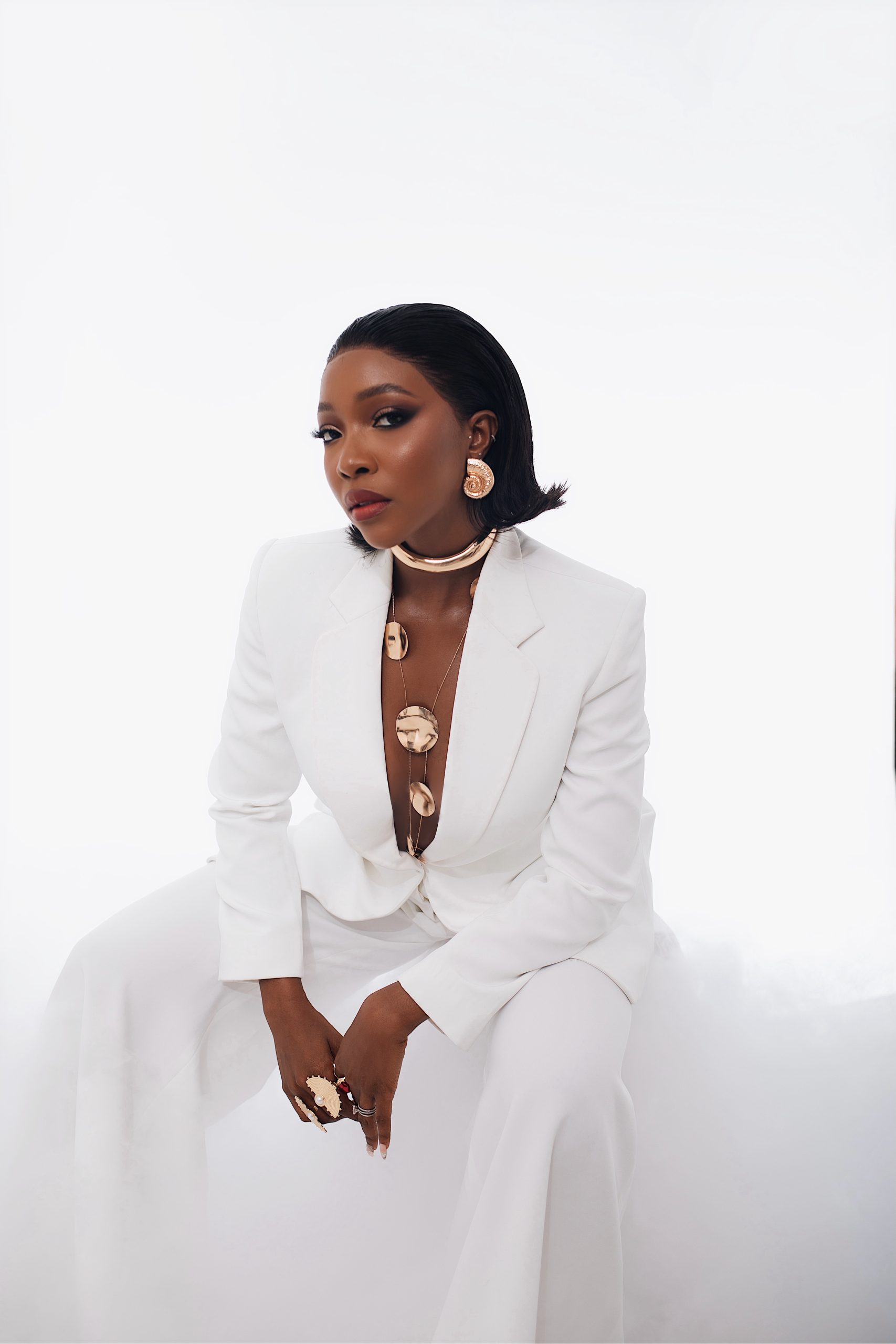
You left investment banking for Nollywood. Why? And was there anyone who thought you had completely lost your mind?
Investment banking gave me stability, but acting gave me purpose. I realised I was spending more time thinking about the life I wanted than the career I already had. Eventually, I had to ask myself a difficult question: was I willing to stay comfortable, or was I willing to find out what I was capable of? I chose the second.
I went to acting school, committed fully to the craft, and the rest is history. And yes, people definitely thought I’d lost my mind! Some of the partners at the firm I worked for couldn’t quite understand why I would leave what looked like a successful career. Looking back, I understand why it seemed like such a risky decision. Thankfully, they’ve been incredibly supportive over the years, and it’s been lovely seeing how proud they are now.
What’s the hardest “no” you’ve ever received in this industry, and how did it change you?
Actors hear “no” far more often than they hear “yes.”
Early on, every rejection felt personal. But over time, I realised that a “no” isn’t always a reflection of your talent. Sometimes it’s timing, chemistry, someone’s creative vision, or simply that another actor was a better fit for that particular role.
Learning not to personalise every rejection made me more resilient and, I believe, a better actor. Every “no” simply pushed me to keep growing.
There was a time when you were auditioning for roles. Today, scripts come to you. When did you realise the industry had finally started taking you seriously?
It wasn’t one defining moment when everything suddenly changed.
Looking back, Battleground was definitely a turning point for me. The conversations became different, the opportunities became more varied, and people started trusting me with more layered, complex characters.
That’s when I began to feel that the industry was starting to see what I’d always believed I was capable of.
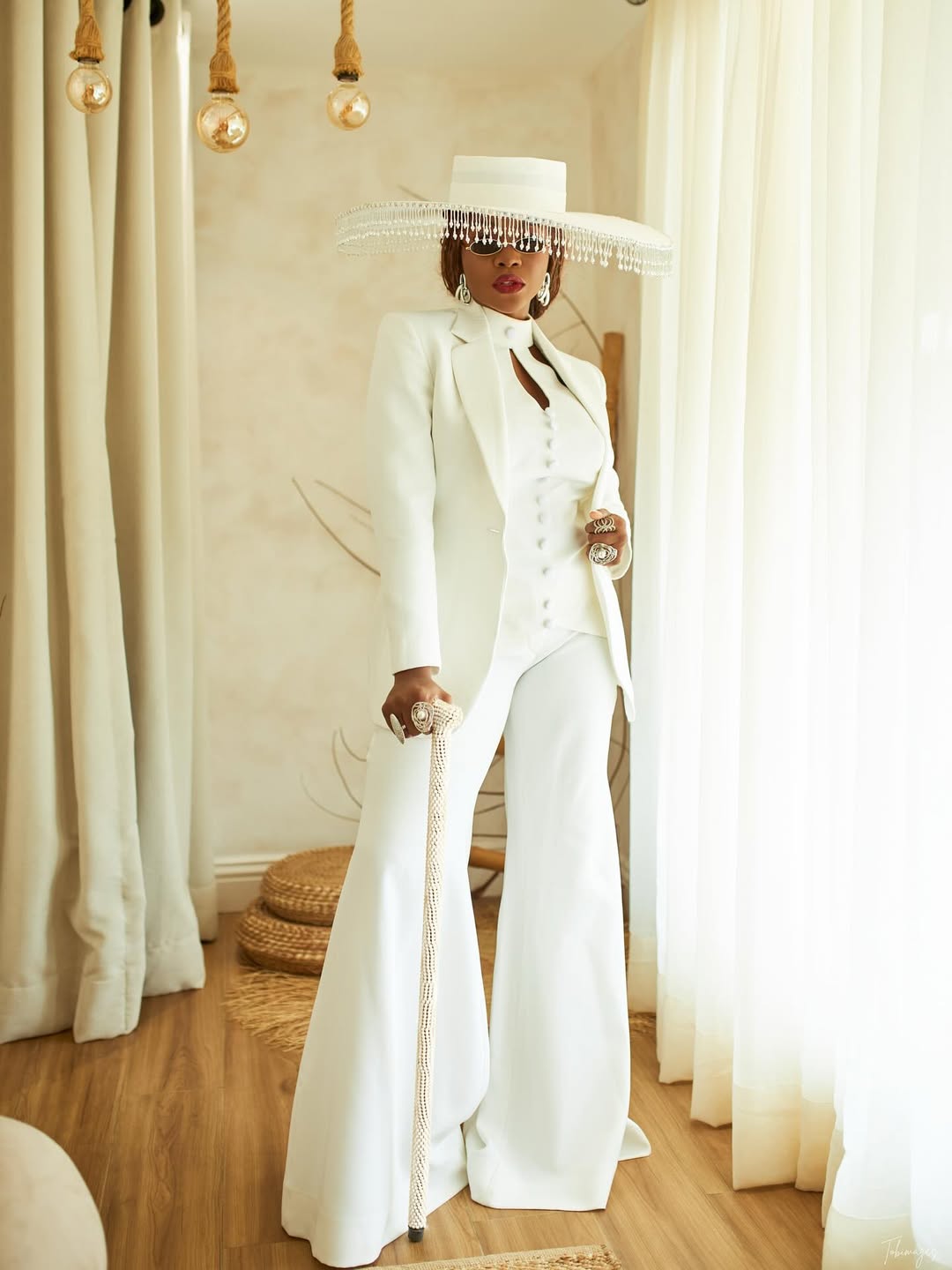
Every actor has that one role that changes everything. Which project made you stop introducing yourself and let your work speak instead?
I think different projects have shaped different parts of my journey.
North East introduced me to audiences and gave people their first glimpse of who I was as an actor
Battleground was my breakout role and really changed the trajectory of my career.
Then, Namaste Wahala introduced my work to a much wider global audience through Netflix. It was such a unique collaboration between Nollywood and Bollywood, and being part of that moment was incredibly special.
Each project opened a different door, and together they’ve helped shape the career I’m grateful to have today.
You’ve become one of Nollywood’s most stylish women. Have you ever felt pressure to always look perfect, even on days when you didn’t feel your best?
Honestly, not really. I’ve genuinely always loved fashion. For me, it’s another form of creativity and self-expression. The goal has never been perfection; it’s simply about feeling like myself.
The only pressure these days is keeping up with increasingly elaborate event themes! (Laughs.) But even then, I try to have fun with it and not take it too seriously.
What’s one thing you’ve deliberately protected from fame, no matter how successful you’ve become?
My sense of self. I never want to become so consumed by public life that I lose the version of Ini my family and closest friends know. Fame is part of my career, but it isn’t my identity.
Staying grounded has always been important to me, and I hope it always will be.
Do you think Nollywood celebrates actresses enough after 35, or is there still an unspoken age limit for women?
I think we’re moving in the right direction, but there’s always room for more stories centred around women at every stage of life.
Women don’t suddenly stop having interesting, meaningful stories to tell after a certain age. Audiences today are looking for authentic storytelling, and that means embracing characters with different experiences, perspectives and seasons of life.
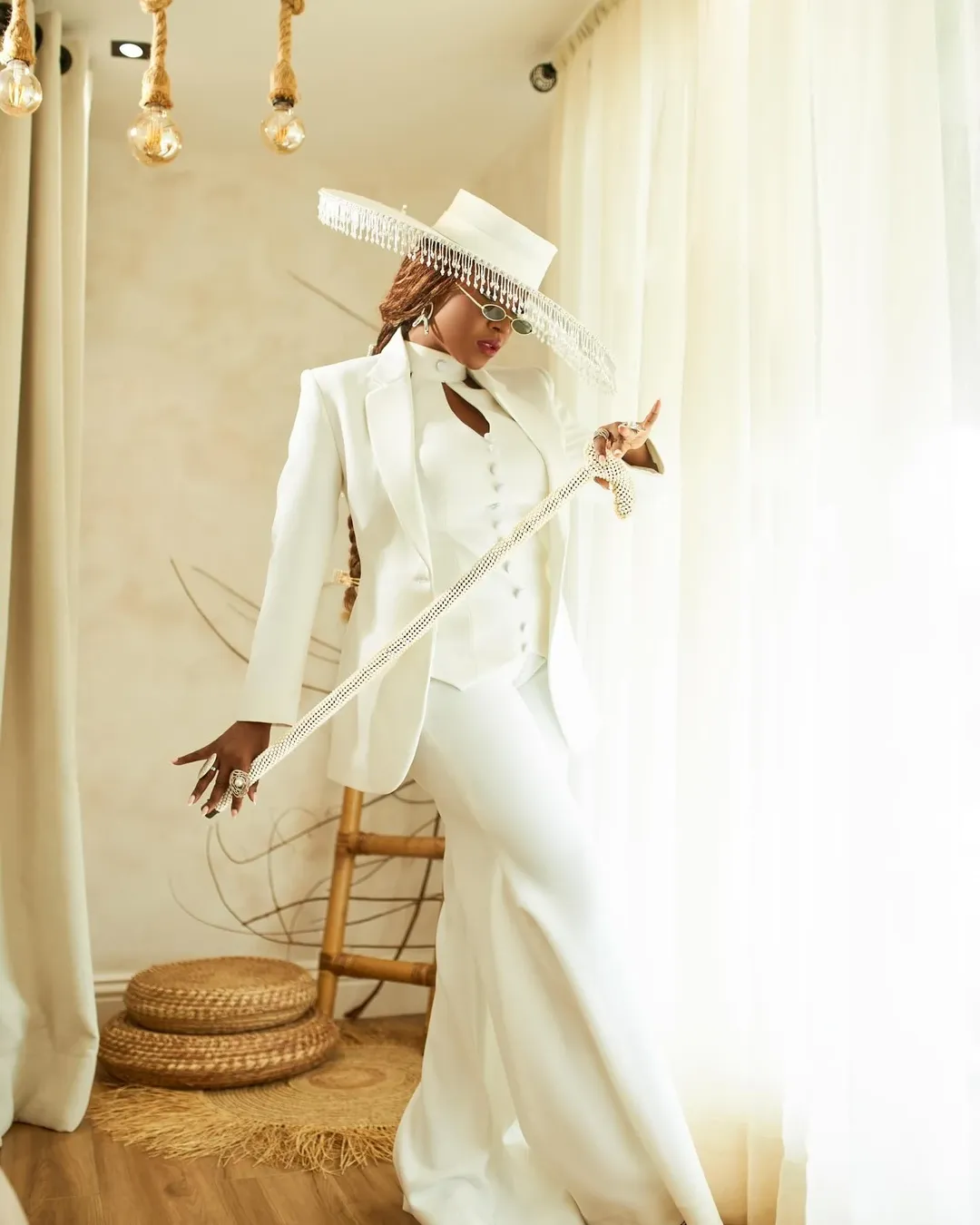
The more diverse those stories become, the stronger our industry will be.
You’ve played lovers, wives, victims and strong women. Which character felt so personal that it stayed with you long after filming wrapped?
One of the first characters that really stayed with me was from Oga Pastor. Unfortunately, the project never got the opportunity to reach audiences, but it remains incredibly significant to me personally.
It was the first time I found it difficult to completely separate myself from a character after filming wrapped. It made me realise just how deeply we can immerse ourselves in a role, and how important it is to learn how to come back to ourselves afterwards.
That experience taught me a lot, both as an actor and as a person.
Has there ever been a role you regretted turning down or one you wish you had never accepted?
Of course.
There have been projects I’ve had to turn down because of scheduling conflicts, and there have been one or two I’ve accepted that didn’t quite become what I hoped they would.
But I’ve also learned not to dwell on the “what-ifs.” I genuinely believe that what’s meant for me will find me. Every decision, whether it feels like the right one or not in the moment, becomes part of the journey that’s shaped my career.
When people call you a style icon, actress or celebrity, which title means the least to you?
Probably “celebrity.” Being recognised is a lovely part of the job, but it isn’t why I do what I do.
“Actress” means the most to me because that’s the work. That’s what I’ve invested years into building, learning and improving. Everything else is simply a by-product of doing what I love.
What’s the most ridiculous rumour you’ve read about yourself that made you laugh instead of getting angry?
Honestly, I can’t think of one right now! Motherhood has completely occupied my brain these days, so if there have been any funny rumours recently, they’ve probably gone straight over my head.
You’ve openly shared your fibroid journey, and now you’re embracing motherhood. Has becoming vulnerable made you stronger as a woman or simply more fearless?
I actually think vulnerability requires strength.
Sharing deeply personal parts of my life has never been easy, but every time someone tells me my story made them feel less alone, I’m reminded why it was worth it.
If being vulnerable has done anything, it’s made me stronger. It has taught me that openness can create connection, and sometimes that’s exactly what people need.
What part of becoming a mother has surprised you the most—not as an actress, but as Ini?
My capacity.
The capacity to love, to give, to keep showing up even when I’m exhausted. I didn’t know I had that much strength in me.
Motherhood has stretched me in the most beautiful ways and shown me reserves of patience, resilience and love I didn’t even know existed.
It’s easily the most important role I’ve ever had, and one I approach with so much gratitude.
If a young woman walked into your house today and said, “I want your career,” what would you warn her about before she takes the first step?
I’d tell her not to build her identity on applause. Recognition comes and goes. Success has seasons. But if your love for the craft is genuine, that will keep you grounded through every high and every low.
I’d also remind her to protect her joy, remain humble, stay curious and never stop learning. Talent opens doors, but character determines how long you stay in the room.
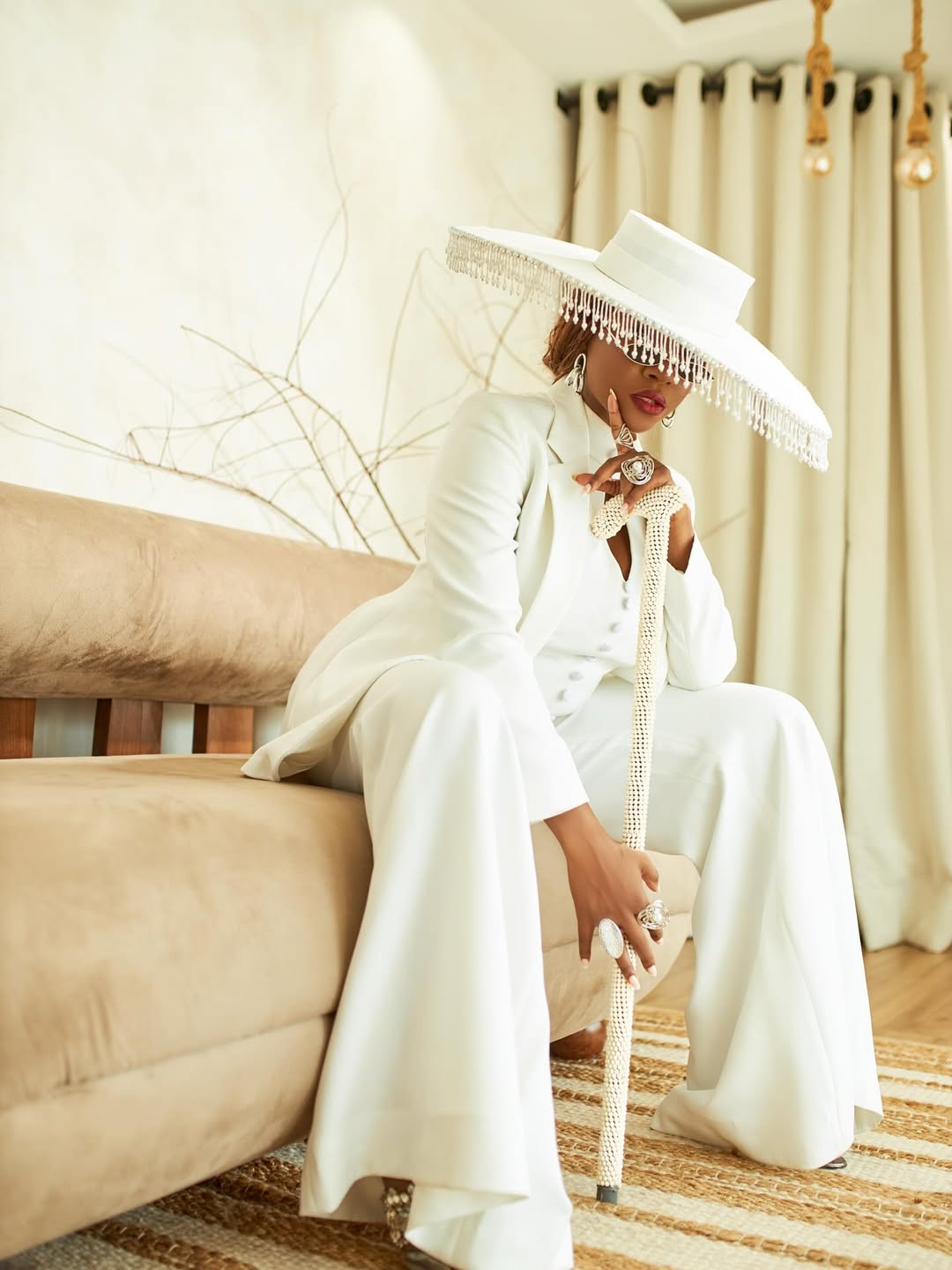
What’s one dream you’ve quietly carried for years that even your biggest fans don’t know about?
For years, one of the things on my vision board was hosting a competition or reality show. I didn’t know what it would look like or when it would happen, but it was always there.
So getting the opportunity to host GRIT genuinely feels like watching one of those quiet dreams become reality. It’s fresh, exciting, and unlike anything audiences have seen from this part of the world. I’m really proud to be part of it, and I can’t wait for people to experience it.
Looking forward, what do you hope people will say Ini Dima-Okojie gave to Nollywood that nobody else did?
What I do hope people say is that I took the work seriously. That I chose stories with intention. That I gave everything I had to every character I played.
Beyond the work, I hope I’m remembered as someone who wasn’t afraid to be honest, who used her voice when it mattered, and who helped make conversations around things like women’s health a little more open.
If people trust my work, remember my performances and say they felt something because of them, that would be more than enough legacy for me.