 Follow Us on Google News


 Follow Us on Google Discover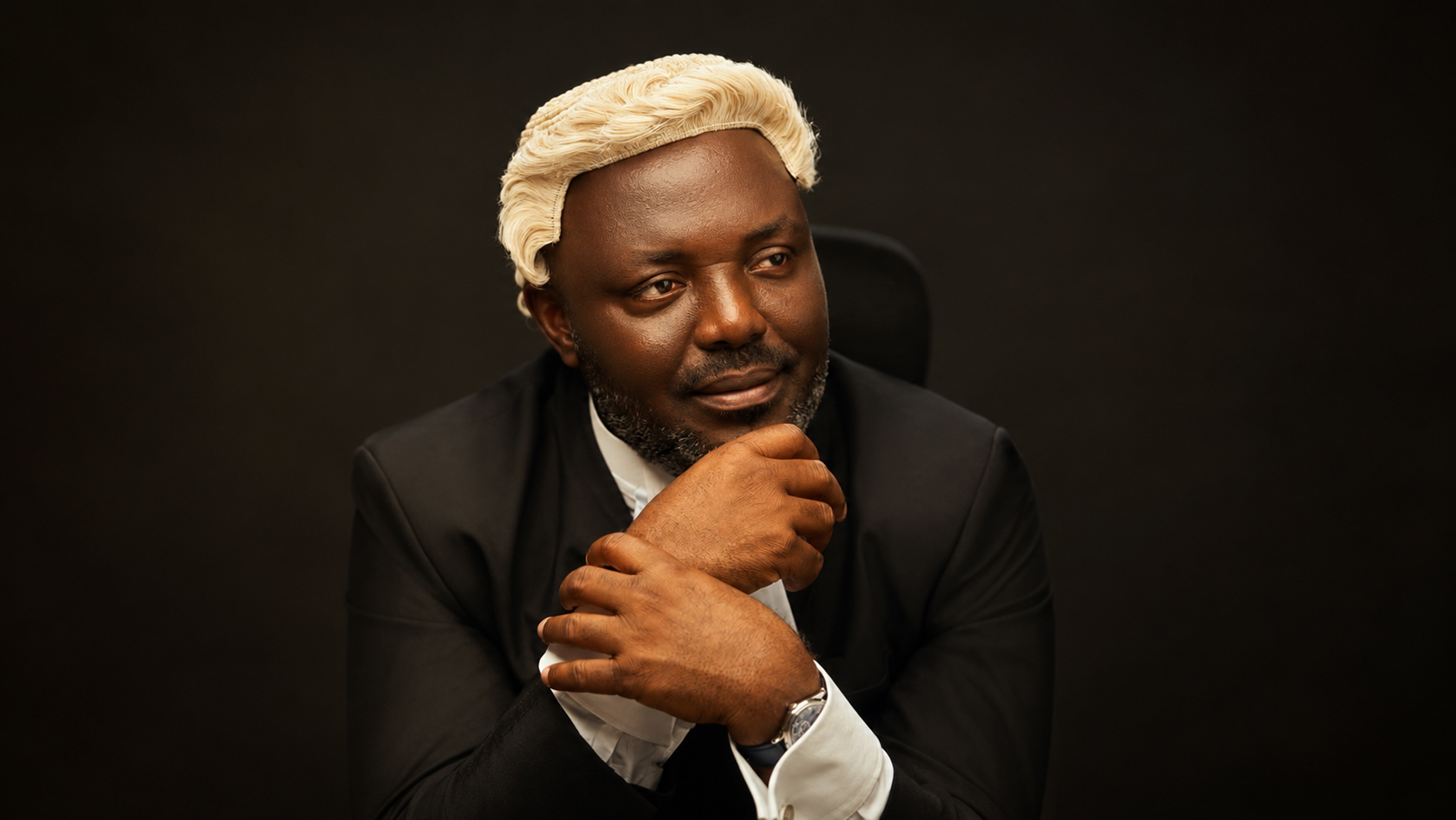
High Chief Mike Loyibo is the Principal Partner M.E. Loyibo and Co. and Prime Minister of the ancient Tuomo Kingdom in Delta and Bayelsa States. ln this interview with OBIRE ONAKEMU, he speaks on President Bola Ahmed Tinubu’s economic policies, the anti-corruption efforts of the Federal Government and sundry national issues.
How would you assess the state of the nation?
Nigeria is at a difficult crossroads: we have resilient people and important institutions, but we face serious, overlapping crises – runaway cost of living, persistent insecurity in many regions, and a trust deficit between citizens and the state. The economy shows some macro signs of stabilisation, but too many families are worse off, and insecurity is undermining everyday life and development.
How do you see President Bola Tinubu’s economic policies since he gained the mantle of leadership on May 29, 2023?
President Tinubu has pursued bold, market-oriented reforms notably subsidy removal and exchange-rate unification intended to correct long-standing distortions and attract investment. Those reforms have produced some macro adjustments, but they also generated painful short-term hardships: Inflation and cost-of-living spikes have hit ordinary Nigerians hard and the social safety net has not kept pace with the shock. A reform of this scale needed clearer communication, stronger targeted relief for the vulnerable, and faster delivery of visible public goods to sustain public confidence.
What is your take on Nigeria’s multi-trillion-naira fuel subsidy scandal that triggered a part of the reforms?
The subsidy episode exposed how weak controls and capture by vested interests can turn public programmes into vehicles for large-scale fraud. Investigations and whistle-blowing including disclosures from former officials and civil society suggest the sums involved are enormous and that accountability must be rigorous – full public audits, prosecutions where evidence merits it, and systemic reforms to procurement and payment systems so the same leak cannot happen again. The public must see both truth and consequences.
How do you see the institutional challenges and political dynamics that have shaped the anti-corruption fight in Nigeria?
Nigeria’s anti-corruption effort has been hampered by politicisation, uneven application of the law, legal and procedural gaps, and sometimes inadequate resourcing of agencies. To be effective, anti-corruption institutions must be insulated from partisan interference, consistently funded, professionally staffed, and bound by transparent, predictable legal standards otherwise anti-corruption becomes selective justice rather than a public good.
Systemic fraud undermines development. How can it be addressed?
Systemic fraud steals revenue that should fund schools, hospitals, and infrastructure. It reduces the quality of services and deters both domestic and foreign investment.

Challenging it requires three complementary tracks: Close the administrative and technical loopholes (digital payments, transparent procurement, open budgets); strengthen independent oversight (audit institutions, media, civil society); and enforce the law impartially so deterrence is real. Citizens must also be empowered to demand value for money at state and local levels.
Don’t you think that the hardship faced by many Nigerians under the current administration have eroded any goodwill that might have existed at the beginning of the Tinubu administration?
Yes. Even well-intentioned reforms lose legitimacy if they do not protect the most vulnerable or if the benefits are not visible. Hardship without visible improvement in services, security, or opportunities erodes the political capital any administration needs to complete difficult reforms.
Do you think that Nigerian voters are ready to embrace a political alternative that prioritises development, equity and transparency?
There is a strong appetite among many Nigerians, especially younger voters and urban professionals, for leadership that delivers development, equity and transparent governance. But translating that appetite into electoral success requires credible, disciplined alternatives with realistic policy plans and coalitions that can reach beyond narrow identity politics to offer tangible solutions.
What is your take on President Tinubu’s bid for a second term in office? Do you think it is realistic?
Political ambitions are part of democratic life. Whether an incumbent wins re-election depends on the electorate’s judgment about performance, the strength of opposition alternatives, and the fairness of the electoral process. If Nigerians judge that their lives have improved, that could favour an incumbent; if not, voters will look for change.
My view is that the outcome will hinge on whether citizens feel their basic needs – security, jobs, stable prices, reliable power and roads – are being met. What are your fears or concerns about the 2027 general election?
My main concerns are electoral violence and insecurity that could suppress turnout; manipulation or loss of confidence in electoral institutions; and the possibility that money and identity politics will swamp policy debates.
To protect the integrity of 2027 elections, we must invest now in security for polling, transparency in electoral technologies, civic education, and strict enforcement against corrupt campaign financing.
How do you view Donald Trump’s threat to President Bola Tinubu over insecurity and Christians genocide in Nigeria?
External commentaries and threats are unhelpful when they oversimplify complex internal conflicts. While international attention can spur accountability and resources, threats of unilateral military intervention risk undermining Nigeria’s sovereignty and could inflame tensions. The right international role is conditional support – rigorous fact-finding, humanitarian assistance, cooperation on security where invited, and pressure for transparent investigations into credible allegations. At the same time, our government must show it is willing to open access and allow independent observers so claims can be properly examined.
Do you really agree with the Governor of Benue State, who is a Catholic priest, that there is no genocide in Benue State?
Claims of “genocide” are very serious and should be treated with evidence, not slogans. Where there are massacres, mass displacements or targeted attacks these must be investigated fully; victims must receive justice and protection.
Labels aside, the immediate priority is credible investigation, protection for civilians, and measures to stop further killings long before debates over terminology are settled.
What really do the Ijaws want from this administration of President Tinubu?
The Ijaw communities want fair recognition and a share of the national bargain: Sustainable development of the Niger Delta, environmental remediation, meaningful local employment, security for lives and property, fiscal transparency in oil revenue management, and respect for the rights of local communities in decisions that affect their land and livelihoods. Central to this is the long-standing demand for an increase of the derivation principle to 50 per cent, so that oil-producing communities can directly benefit from the resources extracted from their land.
How would you assess the performance of Governor Sheriff Oborevwori of Delta State?
Governor Sherrif was highly underrated; I was one of the few persons who before he declared his intentions, promoted his governorship aspirations. In terms of development, he has surpassed the expectation of many.
On his defection to APC, firstly people received it with mixed feelings and some snide remarks but as it stands now, I see it as one of the best decisions because to me PDP is no longer a political party. Aligning with the centre brings more development and opportunities for a lot of persons. I consider it a blessing and Deltans are happy. Sheriff is a visioner and that decision was not entirely his. There were critical stakeholders who supported that decision.
How do you view the recent life sentence placed on Nnamdi Kanu by the court?
Sentencing in politically sensitive cases always invites strong public reaction. Anyone who violates the laws of the land should face the wrath of the law. Nnamdi Kanu is not an exception. He was so rude and unruly to the court and since he was found wanting, he should serve his sentence. As far as I’m concerned, the court is in order. Nigerians should begin to look at facts of a matter as these are what inform the decision of the court, not public opinion.
However, I will encourage Mr. President to explore a political solution. So, I urge the President, as a lover of the people and a pro-democracy activist to consider granting him pardon because of the stakeholders’ plea on the matter.
Finally, what advice do you have for Nigerians given the challenges facing the nation?
I would end by saying Nigerians should unite and support the present government to succeed. The challenges he’s facing are issues that can be overcome through concerted efforts. And I can see genuine efforts and change. Look at the change with the new appointed Minister of Defence; it is something acceptable to all of us because that officer is one of our best. I hereby urge the citizens to believe in their President, believe in their government, pray for their government at all levels, and then we will succeed.

