 Follow Us on Google News
 Follow Us on Google Discover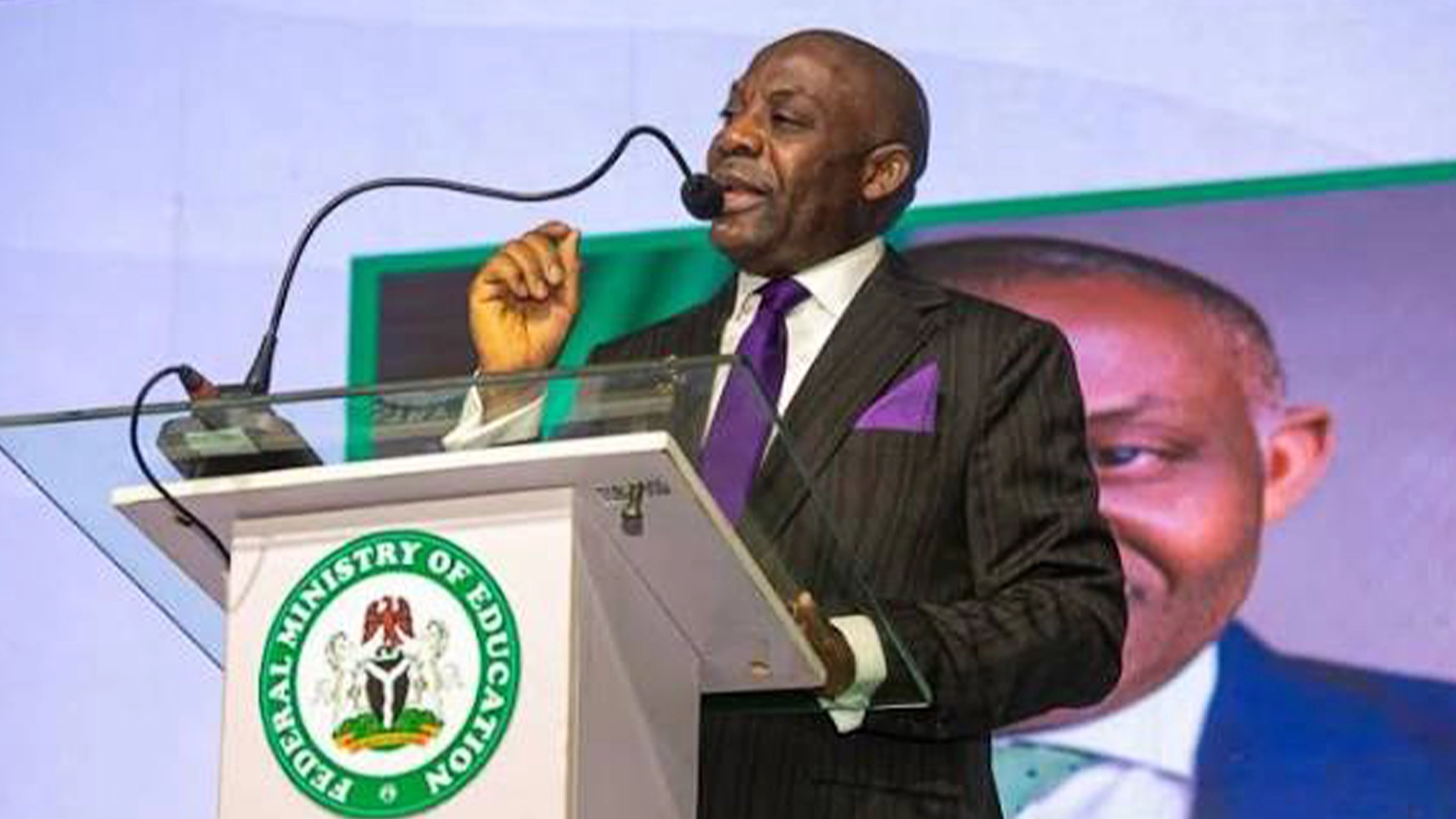
The Federal Government has restated its commitment to ensuring that research works from the country’s research institutes and tertiary institutions are fully commercialised to accelerate the transformation of research outputs in the country.
To achieve this, the Ministry of Education, through the Research, Innovation and Commercialisation Committee (RICC), in collaboration with the Tertiary Education Trust Fund (TETFund), has commenced the South-East Zonal National Commercialisation Intelligence and Ecosystem Engagement Workshop,
The two-day workshop which is holding in Enugu, is the second in a series of six zonal engagements across Nigeria aimed at strengthening the National Research and Commercialisation Intelligence Ecosystem and accelerating the transformation of research outputs, innovations, and inventions into commercially viable products, services, enterprises, and industries.
The workshop brought together policymakers, researchers, academics, industry leaders, innovators, inventors, investors, development partners, innovation hubs, financial institutions, and other stakeholders from across the South-East geopolitical zone to identify opportunities for deeper collaboration and develop practical strategies for advancing research commercialisation in Nigeria.
Declaring the workshop open, the Commissioner for Education, Enugu State, Professor Ndubueze Leonard Mbah, reaffirmed the Enugu State Government’s commitment to positioning education, research, innovation, and skills development at the centre of the state’s economic transformation agenda. He commended the Federal Ministry of Education and TETFund for convening the engagement, describing it as a timely platform for strengthening collaboration among government, academia, industry, and development partners to unlock the economic value of research and innovation.
According to him, the state is investing in emerging technologies, entrepreneurship, and practical skills development to prepare young people for the future economy while creating an enabling environment for innovation-driven growth.

Professor Mbah stressed that building a globally competitive innovation ecosystem requires inclusive participation that extends beyond universities to include artisans, entrepreneurs, persons with disabilities, and the informal sector. He highlighted the state’s emphasis on experiential learning, apprenticeship, and industry partnerships, noting that practical knowledge and innovation are essential to driving enterprise development, job creation, and sustainable economic growth.
Speaking during the workshop, the Ag. Chairman of the Research, Innovation and Commercialisation Committee (RICC), TF Okujagu, described the engagement as a critical step towards building a nationally coordinated innovation ecosystem capable of driving industrialisation, economic diversification, and sustainable development. He observed that although Nigeria possesses abundant research outputs, innovations, patents, and entrepreneurial talent, weak linkages among academia, innovators, inventors, industry, investors, and government have continued to limit the commercialisation of research.
He stressed that the country’s challenge is not a lack of ideas, but the absence of an integrated ecosystem that transforms knowledge into products, businesses, jobs, and sustainable wealth.
Okujagu explained that the proposed National Research and Commercialisation Intelligence Ecosystem will establish a unified digital platform connecting researchers, inventors, innovators, industry, investors, innovation hubs, technology transfer offices, and policymakers.
The platform, he noted, will generate commercialisation intelligence, identify market opportunities, facilitate investment, monitor the progress of innovations from conception to market, determine points of appropriate interventions, and support evidence-based decision-making. He described the National Research to Commercialisation intelligence infrastructure as a National Asset that allows for real time tracking of Research to Commercialisation.
He urged stakeholders to see themselves as co-designers of Nigeria’s innovation future, emphasising that insights from the zonal consultations will shape the National Research-to-Commercialisation Framework and strengthen the country’s innovation ecosystem that will position the country not only to be relevant, but also competitive in the global knowledge-driven economy.
Delivering the keynote address on “Bridging the Gap Between Research, Industry, and National Development,” Dr. Emmanuel Eze, a distinguished technology expert, drew on his experience as a researcher, technology entrepreneur, and industry leader to emphasis that the disconnect between research and industry is not inevitable but a design challenge that can be deliberately addressed. He observed that while Nigeria continues to produce high-quality research and talented scholars, much of this knowledge remains within academic institutions instead of being translated into market-ready products, technologies, and enterprises. Drawing lessons from countries such as South Korea, Israel, China, and the United States, he noted that sustained investment in research, strong university-industry partnerships, effective technology transfer systems, and supportive innovation policies are essential to national competitiveness and industrial development.
Dr. Eze called for a coordinated national approach to research commercialisation through targeted innovation financing, stronger technology transfer offices, robust intellectual property protection, and reforms that reward commercial impact alongside academic excellence. He urged researchers to focus on solving real-world challenges and encouraged government, industry, investors, financial institutions, and universities to work together in building an ecosystem that transforms research into enterprises, jobs, and sustainable economic value. According to him, research must become a catalyst for industrialisation and national development rather than remaining solely an academic exercise.
He commended the project as being the needed collaborative bridge in driving research to Commercialisation.
Also presenting the National Research-to-Commercialisation (R2C) Initiative, Engr. Umar Bindir, a member of the Research, Innovation and Commercialisation Committee (RICC), explained that the initiative seeks to establish a National Research and Commercialisation Intelligence Ecosystem that connects researchers, industry, investors, innovation hubs, and policymakers through a unified digital platform.
He said the system will provide a national inventory of research and innovation assets, identify market opportunities and industry demand, facilitate investment, and track innovations from conception to commercialisation, thereby strengthening evidence-based policymaking and accelerating research commercialisation.
Engr. Bindir described the initiative as a “Triple Helix Plus” model that brings together academia, government, industry, investors, development partners, innovation hubs, and the private sector to jointly build Nigeria’s innovation ecosystem. He noted that the ongoing zonal workshops are designed to capture region-specific insights that will inform the National Research-to-Commercialisation Framework, stressing that every stakeholder has a critical role to play in transforming research outputs into competitive products, thriving enterprises, quality jobs, and sustainable national prosperity.
The Research, Innovation and Commercialisation Committee (RICC), is a high-level Committee established by the Federal Ministry of Education and administered by the Tertiary Education Trust Fund (TETFund) with the Nigerian Economic Summit Group (NESG) providing Chairmanship and strategic coordination and private sector-led technical support to strengthen Nigeria’s research, innovation, and commercialisation ecosystem. The Committee promotes stronger collaboration among academia, industry, government, investors, and development partners to accelerate the commercialisation of research outputs and advance sustainable national development.

