 Follow Us on Google News
 Follow Us on Google Discover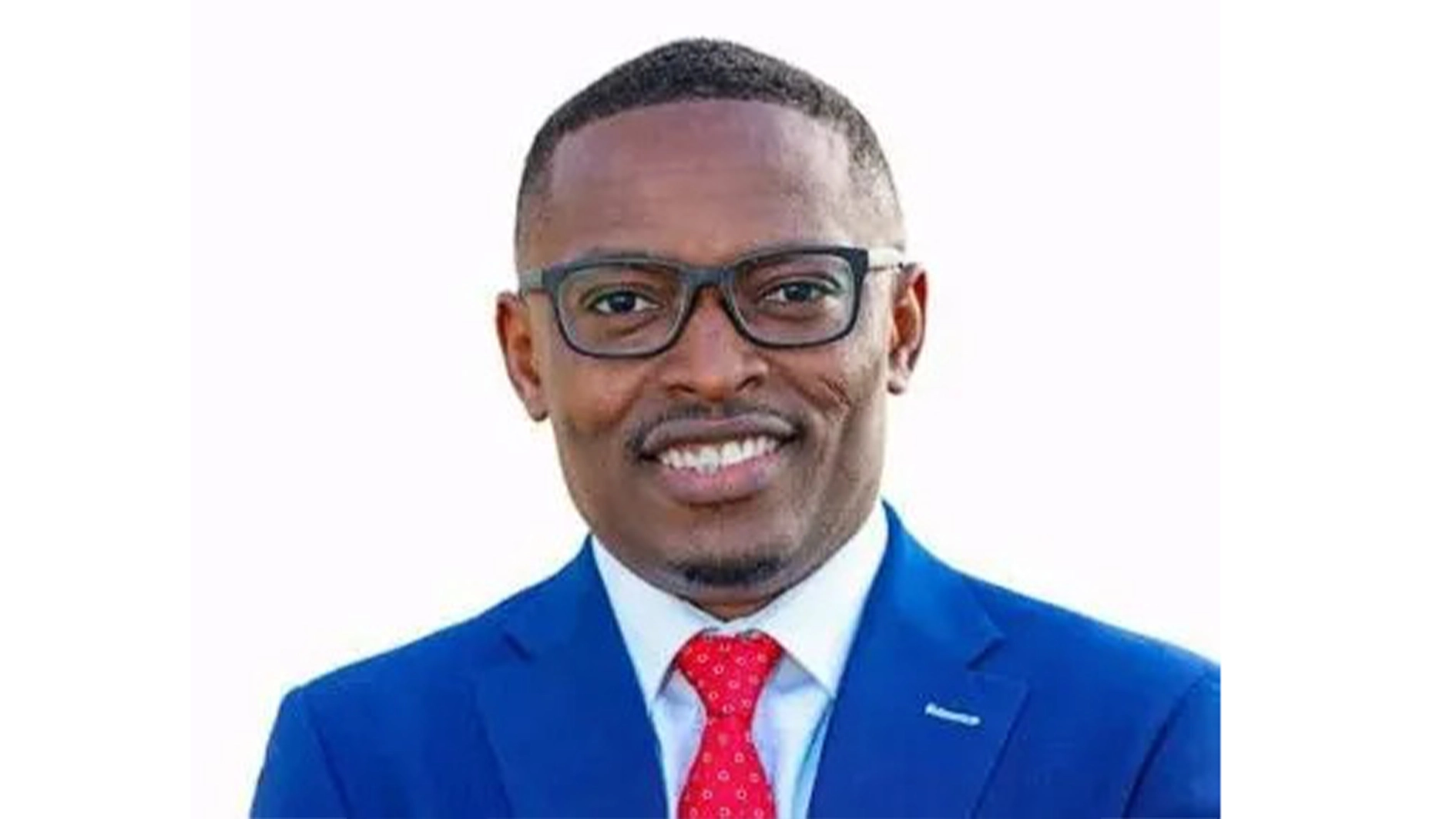
By Dr Emmanuel Usiwoghene Unuafe
Sir: There is a remarkable feature of democracy that every politician eventually discovers: The people always have the final say. When elections draw near, forgotten communities suddenly become important, abandoned roads become emergency projects, neglected citizens become “critical stakeholders,” and places once ignored become the political headquarters of those seeking another term in office.
Nothing illustrates this better than the recent persistent visits of the Governor of Delta State, Sheriff Oborevwori, to Ozoro. For much of the administration, many residents have questioned the level of government attention given to the community. Yet today, Ozoro appears to have transformed into the governor’s preferred destination. The obvious question is: What changed?
Politics, perhaps, has supplied the answer.
Ozoro is the hometown of the ADC governorship candidate, Dr. Emmanuel Unuafe. Whether one supports him or not, it is difficult to ignore the coincidence that a community that previously struggled to attract sustained government attention has suddenly become a centre of political activity. Democracy has a unique way of reminding leaders that no community is permanently insignificant when elections are approaching.
This is not merely about political visits. It raises a broader question about governance. Should development be driven by electoral calculations or by strategic planning? A government that waits until political pressure mounts before rediscovering neglected communities risks conveying the impression that development is a campaign strategy rather than a governing philosophy.
The same concern applies to the recent enthusiasm for electric buses in Delta State. On paper, electric buses represent innovation. Around the world, governments are embracing cleaner transportation to reduce emissions and modernise public transit. However, successful innovation is never simply about purchasing new technology; it is about creating the ecosystem that enables that technology to function.

Electric buses cannot operate efficiently without charging infrastructure. They require strategically located charging stations, dedicated maintenance facilities, trained technical personnel, reliable electricity supply, operational management systems, and properly designed bus terminals. These are not optional accessories—they are the foundation upon which electric mobility rests.
Introducing electric buses into a state where many communities continue to experience chronic electricity challenges naturally raises legitimate questions. How will these buses be charged consistently? Where are the charging depots? What investments have been made in power infrastructure? Where are the bus terminals designed to support an integrated public transport system? What contingency plans exist when the electrical grid fails?
Planning should precede procurement—not the other way around. Development is not measured by the number of buses displayed during commissioning ceremonies. It is measured by whether those buses are still serving citizens efficiently five or ten years later.
History is filled with expensive public projects that generated impressive headlines but delivered disappointing outcomes because governments prioritised political optics over operational readiness. The cost of poor planning is rarely paid by those in office; it is ultimately borne by taxpayers.
Effective governance requires more than symbolic gestures. It requires sequencing: infrastructure before equipment, systems before ceremonies, sustainability before publicity. Democracy rewards leaders who solve problems, not those who merely create spectacles.
As Delta State approaches another electoral cycle, citizens have an opportunity to evaluate not only promises but priorities. They can ask why certain communities suddenly receive unprecedented attention only when political competition intensifies. They can examine whether major policy announcements are supported by coherent implementation strategies or are simply designed to create favourable headlines.
If the renewed attention to Ozoro reflects a genuine commitment to inclusive development, residents will undoubtedly welcome it. Every community deserves investment irrespective of political calculations.
However, if this attention proves to be merely electoral choreography, democracy will once again perform its most important function—allowing citizens to distinguish between governance driven by conviction and governance driven by political necessity.
The beauty of democracy lies precisely here: It compels even reluctant leaders to remember the people.
Communities once overlooked suddenly matter because every vote matters. The challenge for voters is to ensure that after the election, their communities do not once again return to the margins of government attention.
Democracy is at its strongest when governments act from vision rather than fear, from planning rather than panic, and from service rather than survival.
Dr Emmanuel Usiwoghene Unuafe is the 2027 Delta State ADC governorship candidate.

