 Follow Us on Google News
 Follow Us on Google Discover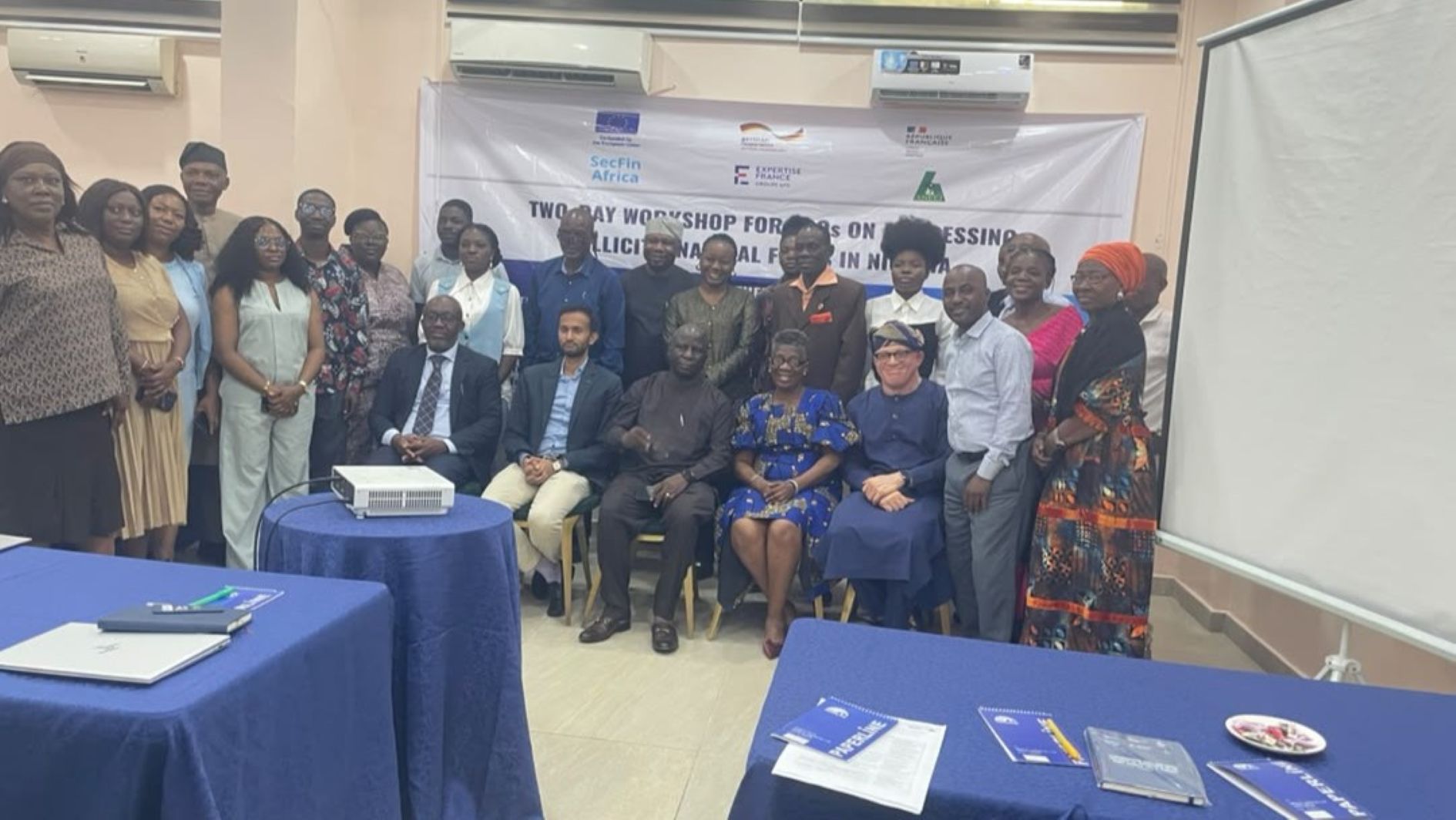
Stakeholders have expressed concern over the persistent drain of Nigeria’s resources through Illicit Financial Flows (IFFs), warning that the country loses an estimated $60 billion yearly to the menace.
They said the situation has devastating consequences for education, healthcare, infrastructure, poverty reduction and overall national development despite the presence of several anti-corruption institutions.
The stakeholders made this lamentation at a two-day workshop for Civil Society Organisations (CSOs) on addressing IFFs in the country, organised by Africa Network for Environment and Economic Justice (ANEEJ) and supported by the European Union through the SecFin Africa project.
The workshop, which started yesterday, had the theme: “Strengthening CSOs and Media Capacity to Contribute to the Fight Against IFFs in Nigeria.”
According to the stakeholders, corruption, money laundering, procurement fraud, tax evasion, trade misinvoicing, profit shifting and other illicit financial practices continue to deprive the country of resources needed to improve citizens’ welfare.
Executive Director of ANEEJ, David Ugolor, described IFFs as one of the greatest threats to Nigeria’s economic development, democratic governance and social progress.

He said the consequences extend beyond financial losses, weakening public institutions, eroding public trust in government, widening inequality, fuelling insecurity and slowing Nigeria’s progress towards achieving the Sustainable Development Goals (SDGs).
Ugolor acknowledged that Nigeria has established legal, policy and institutional frameworks to tackle financial crimes through agencies such as the Economic and Financial Crimes Commission (EFCC), Independent Corrupt Practices and Other Related Offences Commission (ICPC), Nigerian Financial Intelligence Unit (NFIU), Bureau of Public Procurement and the Nigerian Revenue Service.
Ugolor urged civil society actors to sustain advocacy for stronger institutions, greater transparency and effective implementation of existing laws designed to curb illicit financial flows.
Highlighting the impact of IFFs on national development, he said participants were expected to understand how the problem affects key sectors, particularly healthcare, road infrastructure and other development priorities.
A representative of SecFin Africa, Prof. Abdullahi Sehu, described IFFs as a major impediment to Nigeria’s development, urging citizens and civil society organisations to take a more active role in tackling the challenge.
According to Sehu, addressing IFFs requires a collective effort from government institutions, civil society, the media and the public.
“IFFs constitute a major obstacle to development. It affects Nigeria in various ways and therefore everybody must engage to address this menace,” he said.
Director and Chief Executive Officer of NFIU, Hafsat Abubakar Bakari, stated that IFFs as not only a financial crime but also a major threat to Nigeria’s development and national security.
According to her, IFFs continue to undermine governance across Africa by weakening institutions, eroding public confidence, distorting markets and depriving governments of critical resources needed to improve the welfare of citizens.
The Illicit Finance Adviser at the Deputy British High Commission, Jehanzeb Khan, said the increasing speed and globalisation of financial systems have made money laundering, terrorism financing and other illicit financial activities more difficult to detect, underscoring the need for stronger collaboration among governments, the private sector and civil society.
Khan noted that while globalised financial systems have expanded economic opportunities, they have also created new risks that require coordinated action to address.

