 Follow Us on Google News
 Follow Us on Google Discover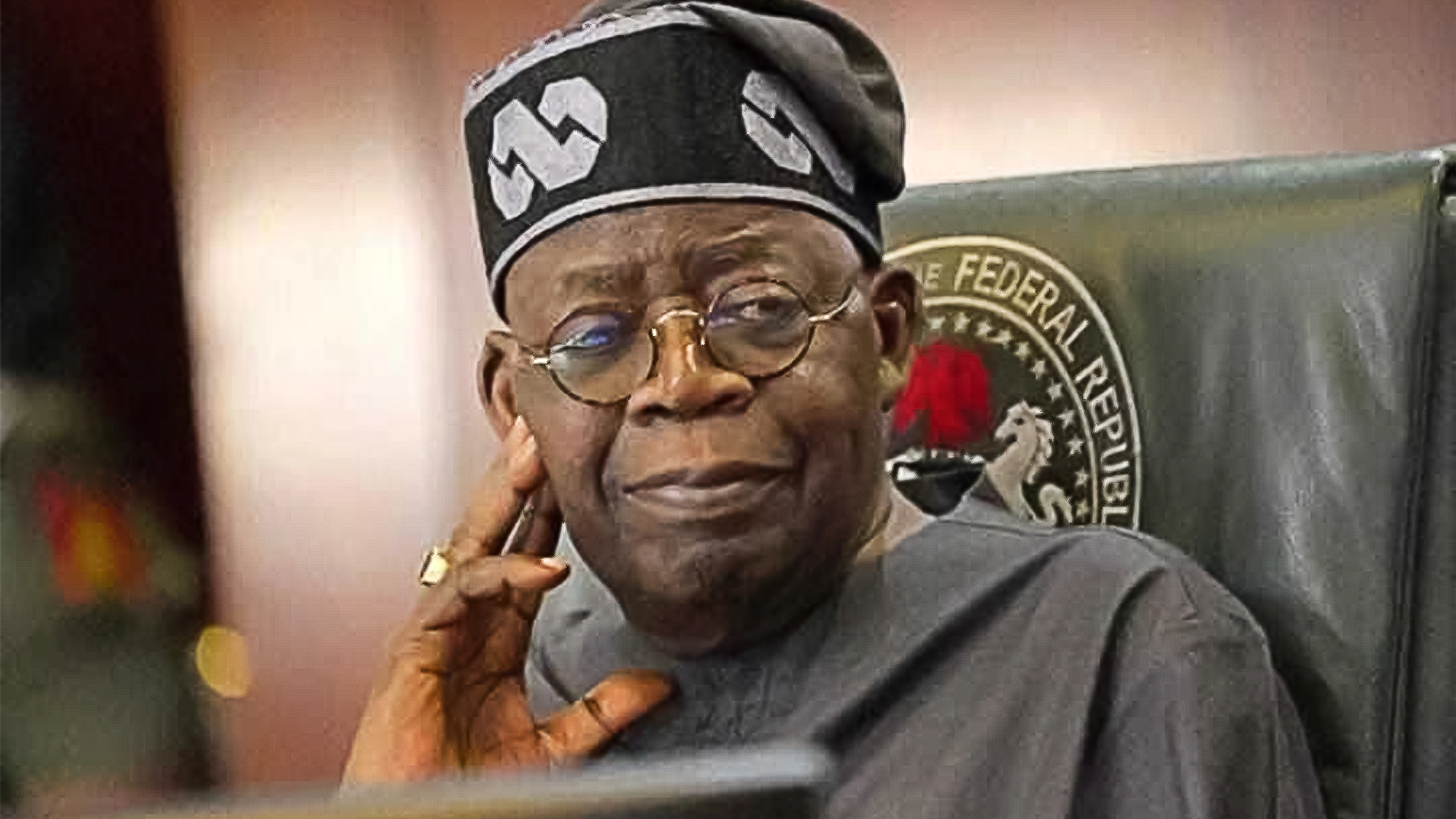
President Bola Ahmed Tinubu has commended the Kaduna State Government’s Free Compressed Natural Gas (CNG) Mass Transit Scheme, describing it as a compelling example of the practical, people-focused interventions required from subnational governments to reduce transportation costs and ease the pressure on Nigerian households.
Meanwhile, the pioneering scheme, built around a fleet of 100 CNG-powered buses, recorded approximately 3.2 million passenger trips and saved commuters more than ₦3.5 billion during its first year of operation. Its expanding reach has established it as one of the most consequential components of the Kaduna State Government’s response to the economic effects of fuel subsidy removal.
In a post on his official X account, President Tinubu made “special mention” of Kaduna State’s intervention, noting that it demonstrated how the transition to cheaper domestic energy could translate into tangible relief for ordinary citizens.
“This is more of what we need to see at the subnational level,” Tinubu stated.
The presidential commendation came against the backdrop of renewed efforts by the Federal Government and the 36 states to accelerate the National Affordable CNG Transit Programme and achieve measurable reductions in transportation costs across the country.
At a meeting with the governors on August 27, President Tinubu and the state chief executives agreed on the need for coordinated action to ensure that more Nigerians begin to experience substantial relief in their daily commuting expenses from October 1. An implementation committee was subsequently constituted under the auspices of the Nigeria Governors’ Forum, with the Governor of Kwara State and Chairman of the Forum, AbdulRahman AbdulRazaq, appointed to lead it.

Working with the Presidential Initiative on Compressed Natural Gas and Electric Vehicles, state governments and other critical stakeholders, the committee is identifying priority transportation corridors, determining the interventions most appropriate to different locations and establishing the operational framework required for effective implementation.
The urgency of the initiative has been heightened by disruptions in global energy supplies, which have exerted fresh pressure on petrol and diesel prices and driven transportation costs upwards around the world. Although Nigeria cannot insulate itself completely from upheavals in international energy markets, the Tinubu administration maintains that the country’s abundant gas resources offer a credible pathway towards reducing its vulnerability to imported fuel costs and external price shocks.
The President has ruled out a return to the costly petrol subsidy regime, arguing that such a reversal would once again expose the Nigerian economy to fluctuations in international oil prices and consume resources required for development. Instead, the Federal Government intends to support states that have embraced CNG transportation and help them expand interventions capable of delivering immediate and measurable benefits to citizens.
Responding to the President’s commendation, Governor Uba Sani expressed Kaduna State’s profound appreciation for the recognition and reaffirmed his administration’s determination to sustain policies that protect vulnerable households, widen access to essential services and place citizens at the centre of governance.
“We deeply appreciate President Bola Ahmed Tinubu for this recognition and for his administration’s continued support to subnational governments in delivering meaningful interventions to our people”, he said.
According to him, “Kaduna State continues to set national benchmarks in critical areas; from tackling the challenge of out-of-school children and expanding vocational training and skills development to pioneering CNG mass transit.”
“Kaduna remains the only subnational government providing FREE CNG mass transit rides to its citizens. With about 3.2 million passenger trips and over ₦3.5 billion saved by commuters in the first year alone, the scheme has become one of our most impactful interventions in cushioning the effects of fuel subsidy removal”, he added.
“Our commitment remains clear: to put people first, reduce the burden on vulnerable households and ensure that the dividends of governance reach ordinary citizens,” Governor Sani stated.
Also, a statement by the State Commissioner of information, Mallam Ahmed Maiyaki, ” the Kaduna Free CNG Mass Transit Scheme reflects the wider philosophy underpinning the Sani administration: that public policy must be judged not merely by the scale of government expenditure or the ambition of official pronouncements, but by its discernible effect on the everyday lives of citizens.”
3 said, “by removing transport fares on designated CNG services, the administration has provided direct economic relief to workers, traders, students, families and other residents whose livelihoods depend upon affordable mobility. The savings recorded during the scheme’s first year represent disposable income retained by households at a time of considerable economic pressure.”
“The intervention also complements the administration’s broader investments in education, skills development, economic inclusion and human capital advancement. Together, these programmes embody a governance model that directs public resources towards areas of greatest social need while creating pathways for vulnerable citizens to participate more fully in the economy.”
“President Tinubu’s recognition therefore places Kaduna State’s experience within the larger national effort to replace dependence on expensive petrol and diesel with cleaner, domestically available and more affordable energy alternatives. It equally underscores the decisive role of state governments in converting national policy into practical relief at the community level”, he added.
Maiyaki further explained, “For the Kaduna State Government, the achievement is both an affirmation and a summons to greater effort. Its free CNG transit programme has demonstrated that carefully designed public intervention can ease household expenditure, expand mobility and give concrete expression to the principle of people-centred governance. ”
“As the national CNG programme gathers momentum, Kaduna’s experience offers a persuasive model of how visionary policy, disciplined execution and a clear social purpose can combine to deliver relief where it matters most; in the daily lives of ordinary citizens”, he stressed.

