 Follow Us on Google News
 Follow Us on Google Discover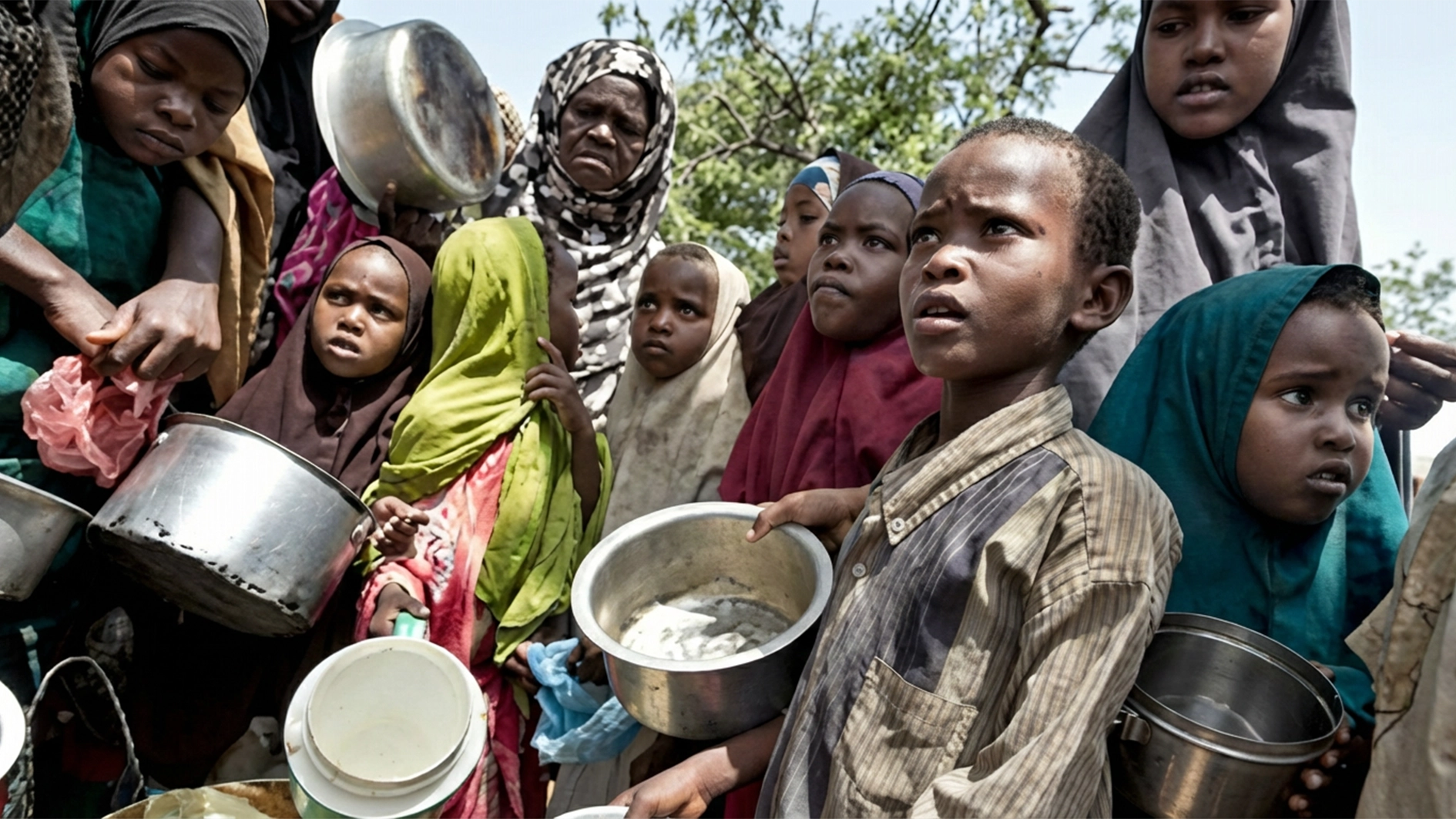
• As healthy diets remain out of reach for 67% Africans
Africa has become home to an estimated 309 million hungry people despite a third consecutive year of decline in global hunger, while nearly 67 per cent of the continent’s population still cannot afford a healthy diet, according to a new United Nations (UN) report.
It also warned that conflicts, climate-related shocks and shrinking humanitarian support could leave as many as 520 million people facing hunger by 2030.
The findings underscored widening regional disparities in the fight against hunger and nutrition, even as overall global food security shows modest improvement.
The 2026 State of Food Security and Nutrition in the World (SOFI) report, released yesterday by the Food and Agriculture Organisation (FAO), International Fund for Agricultural Development (IFAD), United Nations Children’s Fund (UNICEF), World Food Programme (WFP) and World Health Organisation (WHO), estimated that 7.8 per cent of the global population, about 645 million people, experienced hunger in 2025. This was down from 8.1 per cent in 2024 and 8.6 per cent in 2022, representing nearly 14 million fewer hungry people than the previous year.
Despite the global improvement, the report said progress remained uneven across regions. While most parts of WHO regions have recorded steady gains in recent years, Africa now has the highest number of hungry people in absolute terms. Although the share of Africans experiencing hunger declined slightly from 20.3 per cent in 2024 to 20.0 per cent in 2025, rapid population growth has pushed the number of hungry people on the continent above Asia’s 292 million.

The report also found that broader measures of food access paint a similar picture. Globally, an estimated 2.1 billion people, representing 25.8 per cent of the world’s population, experienced moderate or severe food insecurity in 2025, meaning they were forced at times to compromise on the quality or quantity of the food they consumed.
While this marked an improvement from previous years, Africa remained the hardest-hit region, with 56.6 per cent of its population facing food insecurity. Women and people living in rural communities continued to bear a disproportionate share of the burden.
The UN agencies warned that recent gains could easily be reversed by the ongoing conflict in the Middle East, weather-related shocks and declining humanitarian and development funding. They projected that between 510 million and 520 million people could still be facing hunger by 2030 if the current food inflation linked to the crisis persists.

