 Follow Us on Google News
 Follow Us on Google Discover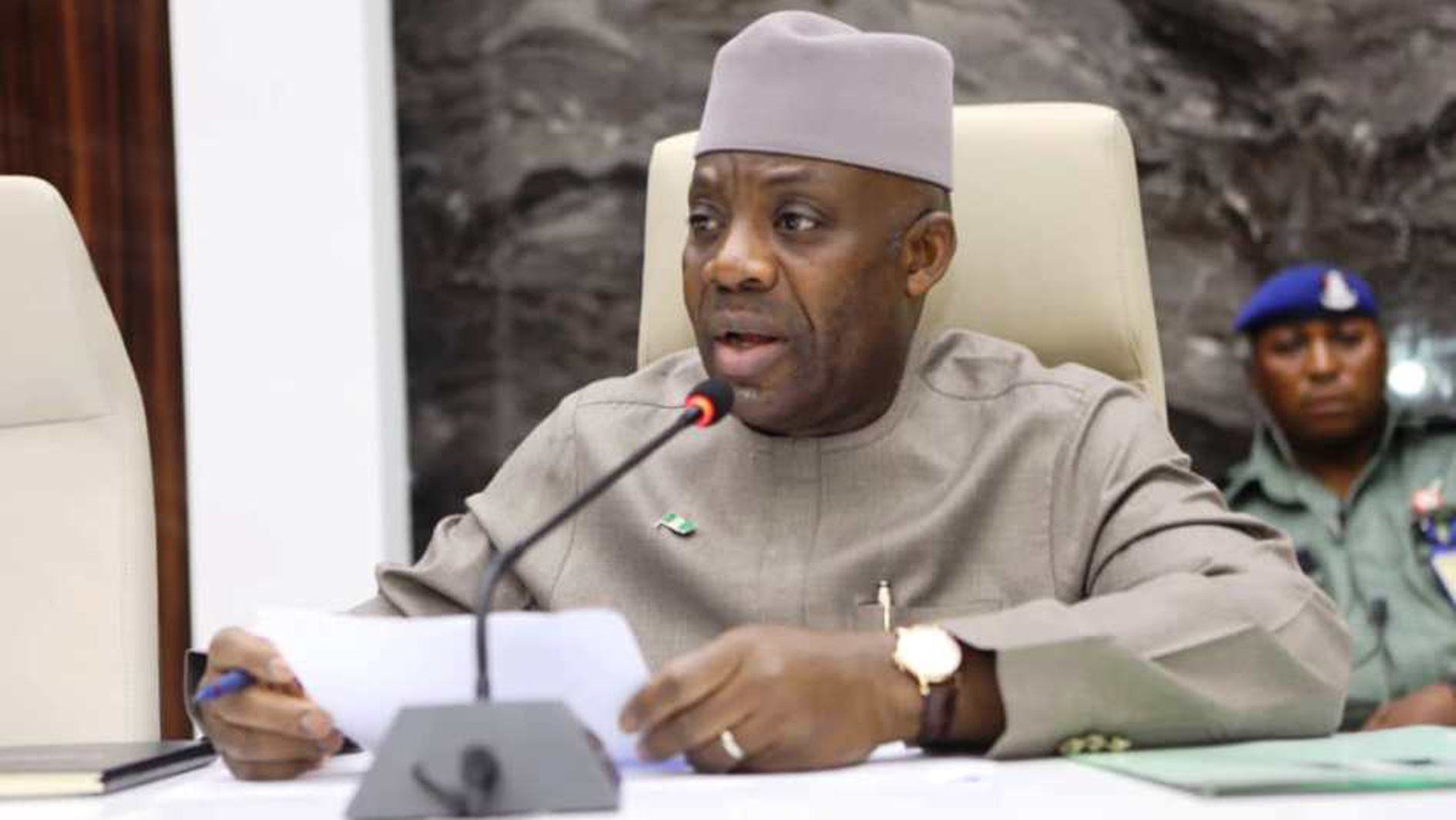
The Nigerian Government has urged state governments to expedite the processes required to access the US$552 million World Bank-supported HOPE Education Programme, warning that several states risk missing out on the performance-based funding despite being eligible beneficiaries.
Minister of Education, Dr. Tunji Alausa, made the call on Tuesday in Abuja at the opening of the five-day Executive Retreat for Honourable Commissioners of Education organised by the Committee of States’ Commissioners of Education (COSCEN).
Hee emphasised that unlocking the funds is critical to improving access to quality education, strengthening learning outcomes and deepening education sector reforms across the country.
Dr Alausa disclosed that although all 36 states are eligible to benefit from the programme, many are yet to fulfil key requirements, including signing Subsidiary Loan Agreements (SLAs), opening designated programme accounts and meeting mandatory education data reporting obligations.
The Minister urged Commissioners of Education to work closely with the Federal Ministry of Education and the World Bank to satisfy the Programme-for-Results conditions needed to access the funding.
“The resources are available, but states must take the necessary steps to unlock them,” he said, noting that the programme offers a major opportunity to strengthen education governance, teacher development, financing and learning outcomes nationwide.

The HOPE Education Programme, which became effective in March 2026, is designed to provide performance-based financing to states that meet agreed implementation milestones. According to the World Bank, the initiative supports reforms aimed at improving education governance, financing systems, teacher quality and education data management.
Alausa stressed that Nigeria’s education reforms can only succeed through stronger collaboration between the Federal and State Governments and a deliberate transition to data-driven decision-making.
He described education as Nigeria’s most powerful instrument for economic growth, national security and sustainable development, adding that President Bola Ahmed Tinubu has placed education at the centre of the Renewed Hope Agenda through bold policy reforms and sustained political support.
While acknowledging the Federal Government’s role in providing policy direction and strategic interventions, the Minister noted that the delivery of quality education remains largely the responsibility of state governments, making stronger collaboration indispensable.
He identified the deployment of the National Education Data Infrastructure (NEDI) and the Digitalised Nigeria Education Management Information System (DNEMIS) as among the most significant reforms currently underway in the sector.
According to him, the integrated digital platforms will provide real-time data on learner enrolment, teacher deployment, school infrastructure and learning outcomes to support effective planning, budgeting, monitoring and resource allocation.
He explained that the platforms will integrate education data from schools, local governments, states and federal institutions into a single interoperable system, thereby improving accountability, transparency and service delivery.
Alausa urged all states to complete their Annual School Census using the digitised platform, commending Kaduna and Borno states for their progress while encouraging others to accelerate implementation.
He revealed that the Federal Ministry of Education has already deployed digital dashboards and smart boards to strengthen evidence-based planning, with support from the National Bureau of Statistics to improve education data analytics nationwide.
To sustain the momentum of ongoing reforms, the Minister proposed that the Council of State Commissioners of Education institutionalise quarterly review meetings to promote peer learning, monitor progress and strengthen collective accountability across the federation.
He also highlighted other priorities under the Nigeria Education Sector Renewal Initiative (NESRI), including expanding access to affordable digital learning technologies, offline instructional platforms, comprehensive digital learning resources from Primary One to Senior Secondary School and teacher support tools to improve classroom instruction.
However, he cautioned states against investing exclusively in expensive smart school infrastructure without adequate provisions for sustainability and maintenance, stressing that quality instructional materials, effective teacher support and conducive learning environments remain the most critical drivers of improved learning outcomes.
Reaffirming that education is a shared national responsibility that transcends political affiliations, Alausa called on stakeholders to institutionalise reliable education data, strengthen accountability and sustain collaborative reforms capable of delivering measurable improvements in learning outcomes.
He urged Commissioners to embrace “evidence over assumptions, collaboration over isolation and continuity over fragmented reforms,” noting that Nigeria’s future prosperity and global competitiveness will depend largely on the quality of education provided to today’s learners.
In his keynote presentation titled, ‘Beyond the Tenure of Commissioners: Sustaining Education Reforms in the Era of Digital Disruption’, former Aviation Minister, Osita Chidoka, challenged Commissioners to implement reforms that will outlive political administrations through policy continuity, stronger teacher development and sustained investments in learning outcomes.
Also speaking, the Senior Economist and Task Team Leader for the HOPE Education Programme, Shin Nomura, who represented the World Bank Country Director, Matthew Verghis, reaffirmed the Bank’s commitment to supporting Nigeria’s education reform agenda and urged states to complete all preparatory requirements to facilitate timely access to the programme’s funding.

