 Follow Us on Google News


 Follow Us on Google Discover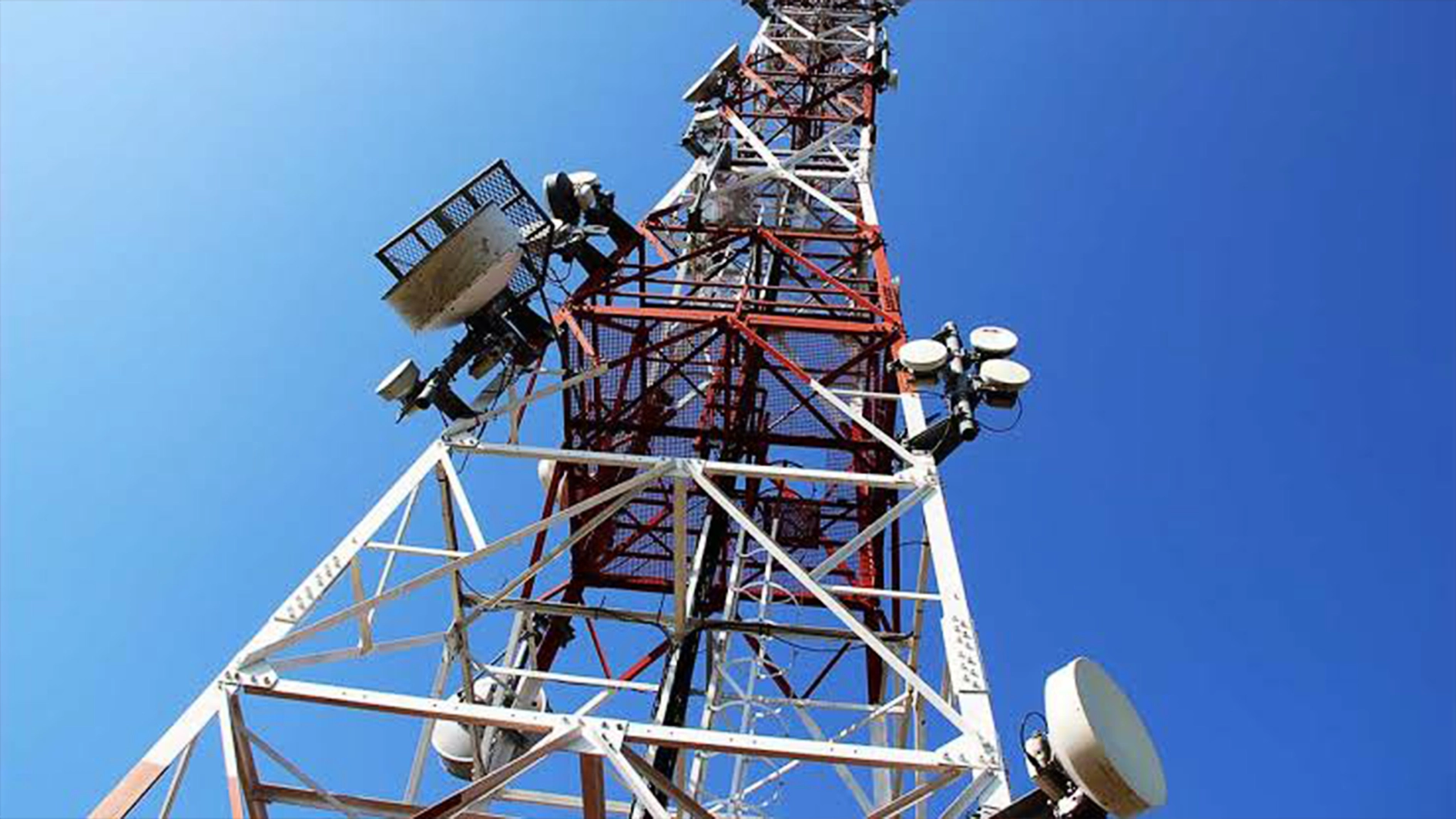
Mobile connectivity in Nigeria is more than dropped calls or failed WhatsApp messages. It is a lifeline for banking, business and daily life. Yet, behind every signal lies a hidden struggle: keeping telecom towers powered in a country where electricity shortages threaten the future of reliable communication, JOEL OLADELE writes.
For millions of Nigerians, a mobile network signal is something that is barely noticed until it disappears.
A failed call, a WhatsApp message that refuses to send or a data connection that suddenly goes dead may appear to be a routine telecom problem and the immediate reaction is usually to blame the network operator. What is often less obvious is that the problem may have started much farther away as a power failure at a telecom site.
That reality came into sharp focus on September 24 when 9mobile subscribers across the country lost access to data, USSD and other services after power outages affected the operator’s sites.
The Nigerian Communications Commission (NCC) classified the incident as a major outage. It was not the first such disruption this year. Another nationwide 9mobile outage in August was also linked to a power failure, showing how vulnerable mobile connectivity remains to Nigeria’s electricity problems.
Scale of dependence and pressure
The scale of what depends on that network is enormous. NCC data put active telephone subscriptions at about 195 million in July 2026, with teledensity at 90 per cent. Behind those connections is an equally extensive physical infrastructure.

Nigeria had about 145,141 base transceiver stations by the end of 2024, alongside an estimated 39,880 physical telecommunications towers. A BTS carries the radio equipment that connects phones to the network, while the tower provides the physical structure on which that equipment is installed.
Every one of those sites needs electricity to operate. Yet an unreliable national grid has forced telecommunications companies and tower firms to build their own energy arrangements around generators, batteries, solar systems and other backup technologies.
The Africa Finance Corporation’s State of Africa’s Infrastructure Report 2025 estimated that Nigerian telecom operators consume more than 40 million litres of diesel every month and spend more than $350 million yearly on the fuel.
The cost becomes more striking when placed beside the amount the industry is already investing in network expansion. Mobile network operators invested more than N2.13 trillion in infrastructure and upgrades in 2025, while tower companies invested another N373.8 billion. The sector is expected to put another N1.86 trillion into network expansion in 2026.
Despite those investments, operators still must spend heavily on the electricity needed to keep the infrastructure running. MTN Nigeria reportedly spent about N29.75 billion on diesel in the first half of 2026, even though its capital expenditure during the same period was about N621 billion.
The figures capture one of the industry’s biggest operating pressures. Money that could otherwise support network expansion, maintenance and new technology is also being consumed by the cost of keeping sites powered.
Nigeria’s power shortfall
The problem becomes clearer when Nigeria’s electricity supply is considered. The Nigerian Electricity Regulatory Commission’s August 2026 operational performance factsheet recorded average available generation capacity of 4,758MW and average utilised generation of 4,102MW, with an 86 per cent load factor.
Nigeria’s population stood at about 237.5 million in 2025, according to the World Bank. A simple calculation puts the average utilised generation at roughly 17.3 watts per person. This does not mean every Nigerian receives that amount of electricity. It simply illustrates the scale of the country’s electricity resources compared with its population and growing demand.
Telecom infrastructure is particularly sensitive to that shortfall because it cannot simply switch off when electricity disappears. When grid power fails, batteries provide temporary backup. If the outage lasts beyond their capacity, generators take over.
Longer generator operation means more diesel consumption, more maintenance and greater exposure to equipment failure. For sites in rural and underserved communities, where grid supply is often less reliable, the challenge is even greater.
Economic impact
The impact is not limited to making telephone calls. A prolonged network outage can interrupt mobile banking, point-of-sale transactions, digital payments, emergency communications and the operations of businesses that depend on mobile data.
With 195 million active subscriptions, disruptions to the network can quickly affect economic activity far beyond the telecommunications industry.
This explains the importance of the partnership between the NCC and the Rural Electrification Agency. In July 2026, the two agencies signed a memorandum of understanding to deploy renewable energy solutions to telecommunications infrastructure, particularly in rural and underserved communities.
The programme is expected to reduce dependence on diesel-powered base stations and improve network availability through renewable energy systems and mini-grids.
Renewable energy partnership
Renewable energy could change the economics of powering telecom sites. A solar installation requires substantial investment at the beginning, but once deployed, it can reduce the recurring cost of diesel, transportation, generator maintenance and other expenses associated with conventional backup power.
Batteries can store energy for use when sunlight is unavailable, while the grid or generator can remain as additional backup where necessary.
There is also an opportunity to extend the benefits beyond the telecom industry. A telecom tower can serve as an anchor customer for a mini-grid in a community that has limited access to electricity. The same system could then supply nearby homes, businesses, schools and health centres.
This approach would make telecommunications infrastructure part of the solution to rural electrification rather than simply another consumer of scarce electricity.
A recent project in Oke-Oyi, Kwara State, provides a practical example. The Federal Government and REA commissioned a 581kWp interconnected solar mini-grid equipped with 1,336 solar panels and 84 batteries.
The project also includes about 10 kilometres of distribution infrastructure. It demonstrates how a renewable energy installation can provide electricity at community scale rather than serving a single facility.
However, there are still limitations. Solar installations require adequate space and regular maintenance. Batteries have finite lifespans and must eventually be replaced. Remote equipment can be exposed to theft and vandalism, while terrain and the cost of reaching isolated communities can affect project viability.
Future of connectivity
For many telecom sites, the practical answer is therefore likely to be a combination of solar, batteries, grid electricity and generators rather than an immediate move away from diesel.
The need for such a transition will become more urgent as Nigeria expands its telecommunications network. NCC has said operators committed to deploying or upgrading more than 12,000 coverage and capacity sites in 2026. More sites mean more equipment requiring reliable electricity, particularly in communities where the grid remains weak.
Nigeria has invested heavily in expanding digital connectivity, but the sustainability of that investment increasingly depends on the energy supporting it.
The September outages demonstrated the problem in a way that millions of subscribers could understand immediately. When electricity fails at the infrastructure supporting a mobile network, the consequences can reach a bank transfer, a business transaction, a student trying to access an online lesson or a family attempting to make an urgent call.
For years, electricity and telecommunications have been treated largely as separate infrastructure challenges. The experience of Nigeria’s mobile networks suggests that they can no longer be considered in isolation.
The future of reliable connectivity will depend not only on how many towers are built or how much spectrum is available, but also on whether there is dependable and affordable electricity behind the signal.

