 Follow Us on Google News
 Follow Us on Google Discover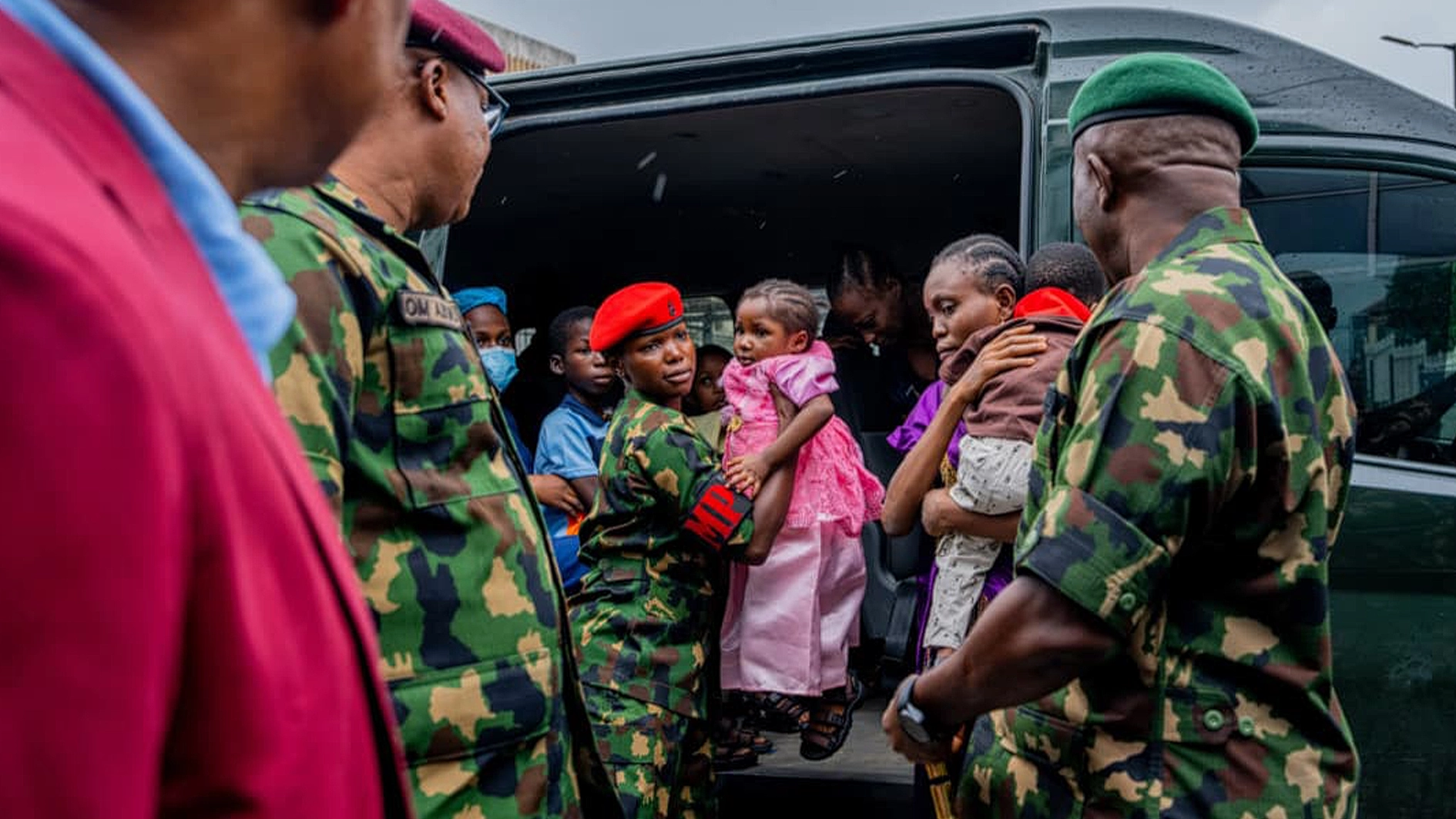
By Tony Afejuku
It’s a Sunday afternoon. The Glitterer is on his writing table. The time is just past 12 noon. The sun is reflecting reflectingly after the previous day of weak afternoon caused by heavy rain that insulted his solar. But this Sunday the sun is strong. His appearance is good. He is healthily healthy unlike the previous day when he was a little melancholic.
Even though he writes mainly in the deep night when he is simply the happiest, the placidest, person emotionally, he is determined to use this Sunday afternoon to the best advantage to think, to read himself, that is, to read his works, to read other writers’ writings, and to write and write.
This is one Sunday of his fantastic, fabulous, daydream – in which the work at hand occupies his mind and thoughts. But before then Wole Soyinka enters his thoughts. Soyinka’s current politics is not what is on his mind colossally.
Instead, it is the very first African Nobel Laureate’s autobiography – “Ake: The Years of Childhood” which he read several times in times past when his country your country my country our country was his country your country my country our country. Ake is certainly one of the few prose works, one of the few autobiographies, that move the Glitterer in every way – not only in its exceptional style, but also in its entire communicability, like its total effect of marvellous poetry.
What this Glitterer means to convey is that this richly detailed autobiography is one book that provides the author and his readers with a wealth of childhood and adulthood experiences without leaving them feeling drained. In other words, the Glitterer is saying that this rich autobiography gifts him (the author) and his readers with a lifetime of experiences that never leave them feeling exhausted.
We live more than numerous lives while reading, and interpreting the autobiography. How relevant is this rigmarole to “Good fortune in grief’s season” which is the title of this discourse? What has influenced it is the recent release of the abducted Oyo pupils and their teachers. The Glitterer has written before now three vital essays on the subject of abduction which had invaded my imagination to invent the subject of the new genre of “Nigerian Bandit Literature”. I dare say that the three essays – or, better, each of the essays – ends up being significant stuff, great stuff, that is truly a marvel from the ink and nib of this composer, who pats himself as a truly wonderful Nigerian literary being and columnist over the years.
Now let the Glitterer pertinently link this composition very briefly to Wole Soyinka’s alluded to autobiography. In Ake: The Years of Childhood the four-and-a-half-year-old Wole Soyinka disappeared from his parents’ abode and followed a marching police band all the way to a far away village. His abrupt disappearance caused significant panic for his parents and neighbours before he was eventually found. If the density of pain felt by Wole Soyinka’s family can be compared with that of the families of the recently rescued Oyo pupils and teachers, the tone of that suffering is unimaginable.
The sudden abduction and long awaited military rescue highlight a truly profound level of trauma. Generally speaking, an exploration of the parallels between the profound trauma in Wole Soyinka’s autobiographical creations and the harrowing experiences of the recently rescued Oyo (Oriire) pupils and teachers reveals a deep, recurring theme in the Nigerian consciousness. To stretch the point further, Soyinka’s works – pointedly his The Man Died, his prison autobiographical narrative, and his fictionalised reflections on national trauma in Season of Anomy – serve as a historic mirror to the contemporary crisis of mass abduction.
Clearly, the successful rescue of the Oriire abductees is a pointer to the new good fortune in President Bola Tinubu’s regime. We do not need to politicise this. The president’s supporters and cohorts and acolytes and allies should show their sense of humility even when their antagonists display a collective tone of envy or of jealousy or sour grapes.
Whatever untoward reactions descend from the camps of the anti-Tinubus should be accepted and accommodated with grace by the presidencynologists who have demonstrated with the successful rescue of the Oriire abductees that there is still hope for our country’s prolonged grief’s season.
Now something the Glitterer tries to show today is the comingling of the letters of life with the life of letters – as demonstrated with the illustrations from Wole Soyinka’s writings in our contemporary season of grief prolonged – as we must prepare for further acts of good fortune winging by and near, the willing of which we must keep on willingly speaking about here.
Afejuku can be reached via 08055213059.

