 Follow Us on Google News
 Follow Us on Google Discover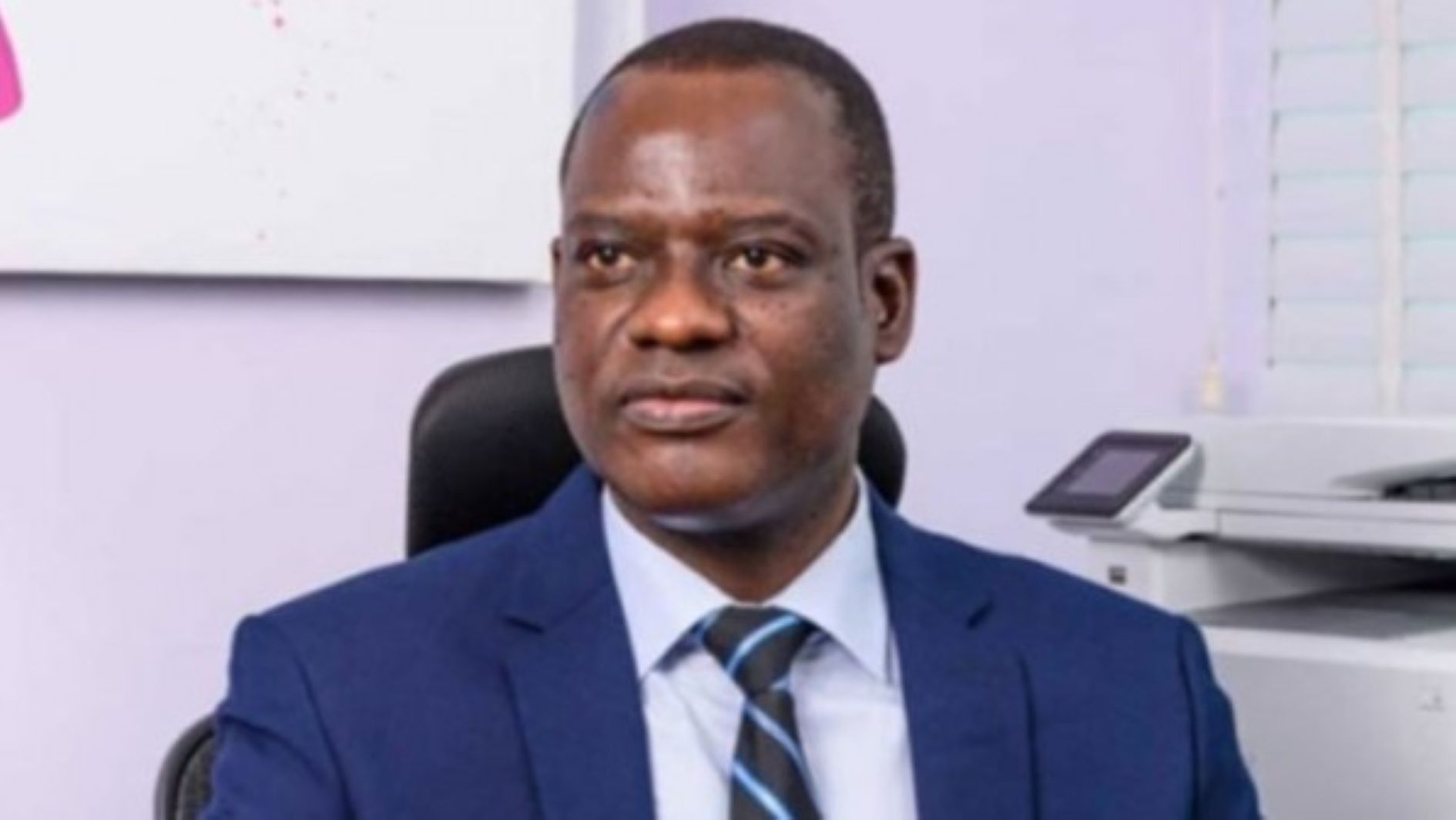
Says $1tr economy by 2030 not slogan but target
The Minister of Finance and Coordinating Minister of the Economy, Taiwo Oyedele, says the savings from fuel and foreign exchange subsidies have largely gone into debt servicing, increased workers’ wages, student loans, and other major government obligations.
Speaking yesterday in Abuja at the 7th African Emerging Markets Forum, organised by the Central Bank of Nigeria (CBN), Oyedele acknowledged the growing public concerns over the fate of the subsidy savings, describing the question as legitimate and promising greater transparency in the coming days.
He said the combined impact of the subsidy on fuel and foreign exchange was about 5 per cent of the country’s gross domestic product, but that the savings were not saved. According to him, “saving money was not the primary objective. It was eliminating the distortion and the corruption in the system, which is more fundamental.
“But where has the money gone to? In a few days, you will see the detailed analysis because we believe that we owe a duty to explain what we do to the Nigerian people. That’s what transparency looks like.”
The minister explained that though the reforms generated fiscal savings, the government immediately faced higher financial obligations arising from the reforms themselves, including debt servicing costs and increased public sector wages.
Before the reforms, he said, Nigeria financed part of its expenditure by printing money, which fuelled inflation but reduced immediate borrowing needs. However, he explained that part of the subsidy removal savings was used to service debts, including money printed before the reforms.
“Many Nigerians will conclude that the reforms are not working for them. Some would even say it’s a bad reform,” the minister stated. “What we do not normally compare is what would have been if the reforms were not carried out.
“Before the reforms, we were printing money to spend, the interest rates were about eight per cent, and the minimum wage was N30,000. If you just think about those three, those are big numbers.
“If you stop printing, the spending doesn’t disappear. You need to finance the money you were printing before. That was part of where the savings went.”
Oyedele further explained that the reforms triggered higher inflation, prompting interest rates to rise, increasing the government’s debt servicing costs. Consequently, “instead of paying eight per cent on our debts, we were paying as high as 24 per cent.
“When you need to service debts, you do not debate whether you need to pay. You cannot negotiate it. You pay, and you pay on time.”
According to the minister, the government also committed substantial resources to implementing the new national minimum wage and financing higher education through the Nigerian Education Loan Fund (NELFUND), with over 1.5 million students now receiving funding for both tuition and monthly stipends, thereby allowing parents to redirect money previously set aside for school fees to other essential household needs.
He also noted that “minimum wage went up from N30,000 to N70,000. That’s almost double the wage bill of the government.
In “a million households, the parents no longer have to save, borrow, and be stressed just to pay the tuition. Now they can deploy those resources into their small businesses and take care of other important basic needs.”
Nevertheless, the minister said the government would soon provide Nigerians a detailed account of both the savings realised from the reforms and how the resources have been allocated.
Oyedele stressed that the removal of fuel subsidies and the liberalisation of the foreign exchange market were designed primarily to eliminate long-standing economic distortions rather than simply reduce government spending.
Earlier, he explained that President Bola Tinubu’s administration deliberately chose long-term economic fundamentals over short-term political convenience by implementing reforms that previous governments had delayed.
According to him, the administration inherited an economy weakened by structural distortions that discouraged investment, reduced productivity and undermined competitiveness. He argued that postponing the reforms would have imposed even greater economic costs on the country.
In the meantime, the minister has reaffirmed that the federal government’s ambition to grow Nigeria into a $1 trillion economy by 2030 is achievable, stating that the target is an outcome of sustained economic reforms rather than a political slogan.
Oyedele said the administration’s economic reforms were designed to position the country for long-term growth, adding that the goals will be achieved by restoring macroeconomic stability, improving competitiveness and attracting investment.
Stating that Nigeria had completed the difficult phase of stabilising the economy and was now focused on translating that stability into investment, higher productivity and improved living standards, the minister said the government plans “to trace reform by reform against the work still ahead of us.
“Building resilience amidst geo-economic uncertainty was never about waiting for the storm to pass. It’s about building an economy and a continent sturdy enough that the reform and the storm become our opportunity to seize.”
According to Oyedele, this administration “inherited an economy weighed down by years of accumulated distortions that discouraged investment, weakened productivity and limited our competitiveness. Postponing reform would have cost us more than confronting it.
He added that the government had also implemented tax reforms aimed at simplifying Nigeria’s fiscal system by eliminating multiple nuisance taxes, providing relief for small businesses and protecting low-income earners. Oyedele said the impact of the reforms could already be seen in key economic indicators.
He also pointed to Nigeria’s gross reserves crossing $50 billion, while inflation is significantly down from its 2024 peak. According to him, “This is evidence, not a promise. I would not ask you to take my word for any of this. Capital has no passports, no tribe, no patriotic loyalty. It responds to evidence, not rhetoric.
“So here is the evidence. Capital inflows have increased significantly, whether it is FPI or FDI. The capital market is the best-performing in the world for the 2026 year to date.”
The minister also cited the successful recapitalisation of Nigeria’s banking sector and the country’s removal from the Financial Action Task Force (FATF) grey list as additional evidence that the reforms were improving investor confidence.
However, the improvements in macroeconomic indicators notwithstanding, Oyedele acknowledged that stability alone would not be enough if ordinary Nigerians did not experience better living conditions.
The finance minister said the government’s task now was converting that stability into investment; investment into productivity; productivity into decent jobs, and decent jobs into incomes that Nigerian families can actually feel tangibly. According to him, a reform that shows up on national statistics but not on the household dining table has not finished its job.
“We are mindful that stability is not the finish line. A stable economy can still be a stagnant one if growth is weak,” he noted. “A steady currency can still co-exist with low purchasing power if productivity doesn’t improve.
“Every real economic transformation follows a three-phase journey: stabilisation, growth and shared prosperity, and we have done the gruelling foundational work of the first phase.”

