 Follow Us on Google News
 Follow Us on Google Discover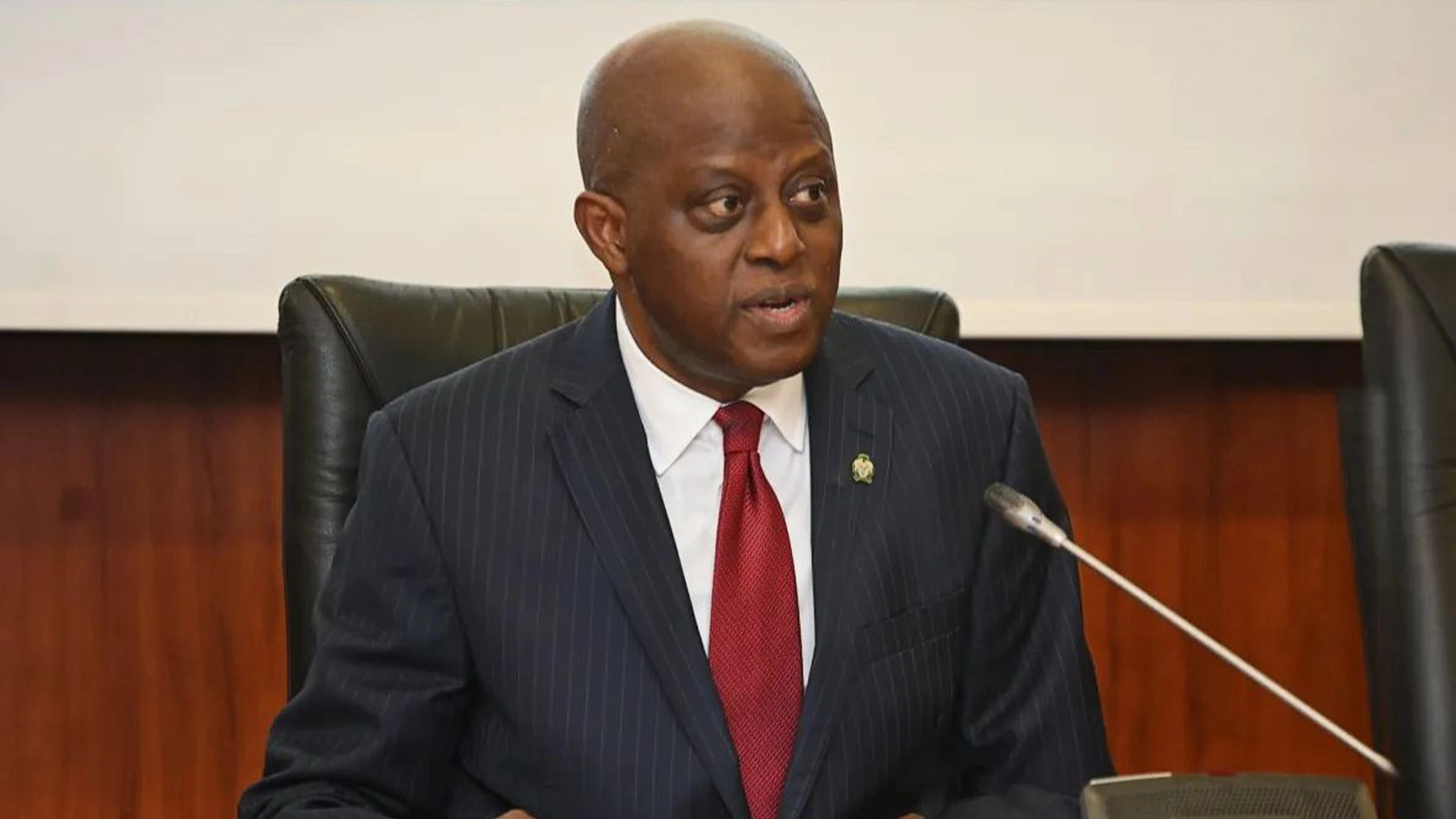
While Nigeria may have survived the 2024 inflation crisis, the persistent unrest in the Middle East seems to be a major concern the Central Bank of Nigeria (CBN) needs to find a way to navigate, COLLINS OLAYINKA reports.
With a raging crisis in the Middle East between Iran and the United States and its spiral effects on the global economy not abating, the Central Bank of Nigeria (CBN) faces a ‘higher-for-longer stance in its fight against inflation.
If oil prices surge sharply or the conflict becomes prolonged, the Bank could tighten policy further. Conversely, if inflation continues to moderate and external pressures ease, it may begin a cautious easing cycle later in the year.
Evidence from the 306th Monetary Policy Committee (MPC) meeting indicated that any future action to tame inflation will be predominantly data-dependent.
The MPC pointed to broader global challenges, including slowing global economic growth, trade policy uncertainties, supply chain disruptions and climate-related shocks affecting food production, all of which continue to exert upward pressure on prices across emerging and developing economies.
The committee acknowledged that previous fiscal and monetary reforms have strengthened Nigeria’s ability to absorb external shocks.

It cited improvements in foreign exchange market stability, stronger external reserves, banking sector recapitalisation and closer coordination between the fiscal and monetary authorities as factors helping to cushion the economy against global volatility.
The MPC’s communiqué suggests that Nigeria’s response cannot rely on monetary policy alone. Instead, it points to a combination of structural reforms aimed at reducing the economy’s vulnerability to external shocks.
First, sustaining exchange rate stability remains critical to limiting imported inflation. The committee believes continued coordination between fiscal and monetary authorities will be essential in preserving confidence in the foreign exchange market.
Second, the CBN urged the Federal Government to intensify efforts to increase crude oil production. Higher production would enable Nigeria to benefit more from elevated international oil prices while strengthening foreign exchange earnings and fiscal revenues.
Third, the committee identified economic diversification as a strategic priority. It specifically called for accelerated reforms in sectors such as solid minerals to broaden export earnings beyond crude oil and reduce the country’s exposure to oil price cycles.
Beyond the MPC’s recommendations, experts argued that reducing dependence on imported refined fuel, fertiliser, agricultural inputs and industrial raw materials would significantly lessen the transmission of global price shocks into the domestic economy. Expanding domestic refining capacity, strengthening local food production, improving transport and storage infrastructure, and addressing insecurity in farming communities would also help moderate inflation driven by supply constraints.
Indeed, the CBN has limited room for manoeuvre if inflation is being driven by external shocks rather than excessive domestic demand.
The tension, particularly involving major oil producers or disruptions to shipping routes such as the Strait of Hormuz, can push up the prices of crude oil, fuel, fertiliser, food and freight. Those costs eventually filter into Nigeria’s economy.
Recently, the International Monetary Fund (IMF) noted that one of the key policy responses available to the CBN to prevent excess naira liquidity from fuelling inflation is by selling government securities through Open Market Operations or other liquidity management tools if higher global oil prices increase Nigeria’s foreign exchange earnings.
To maintain prudent reserve requirements, the Cash Reserve Ratio (CRR) remains one of the CBN’s strongest liquidity management tools. Keeping reserve requirements elevated restrains banks’ capacity to expand credit aggressively until inflation is firmly under control.
A retired central banker, Dr Yunana Bature, said one of the most potent tools that the CBN can adopt is strengthening policy communication. Inflation is partly psychological.
He argued that if businesses expect prices to keep rising, they often increase prices in advance. Clear guidance from the CBN helps anchor inflation expectations and reduce speculative pricing.
However, he was quick to add that monetary policy alone cannot fix transport costs, electricity generation costs, fertiliser prices, food production costs, and shipping and insurance costs, which necessitates collaboration with the fiscal authorities, as called for by CBN Governor Yemi Cardoso.
Noting that this is principally because higher interest rates cannot produce more food or reopen disrupted shipping lanes, he said they mainly reduce demand, which means they may slow economic growth while having only a limited impact on supply-driven inflation.
Bature added: “Monetary policy works best when complemented by fiscal and structural measures. The government should, therefore, increase domestic food production through improved security and irrigation; sustain crude oil production to benefit from higher global prices; expand domestic refining to reduce dependence on imported fuel; improve logistics and transport infrastructure; and avoid excessive deficit financing that injects more liquidity into the economy.”
For now, the CBN has chosen to hold interest rates steady while closely monitoring developments in the Middle East.
The committee made clear that if geopolitical tensions intensify and begin to reverse the recent moderation in inflation, it stands ready to deploy further policy measures to safeguard price and financial stability.

