 Follow Us on Google News
 Follow Us on Google Discover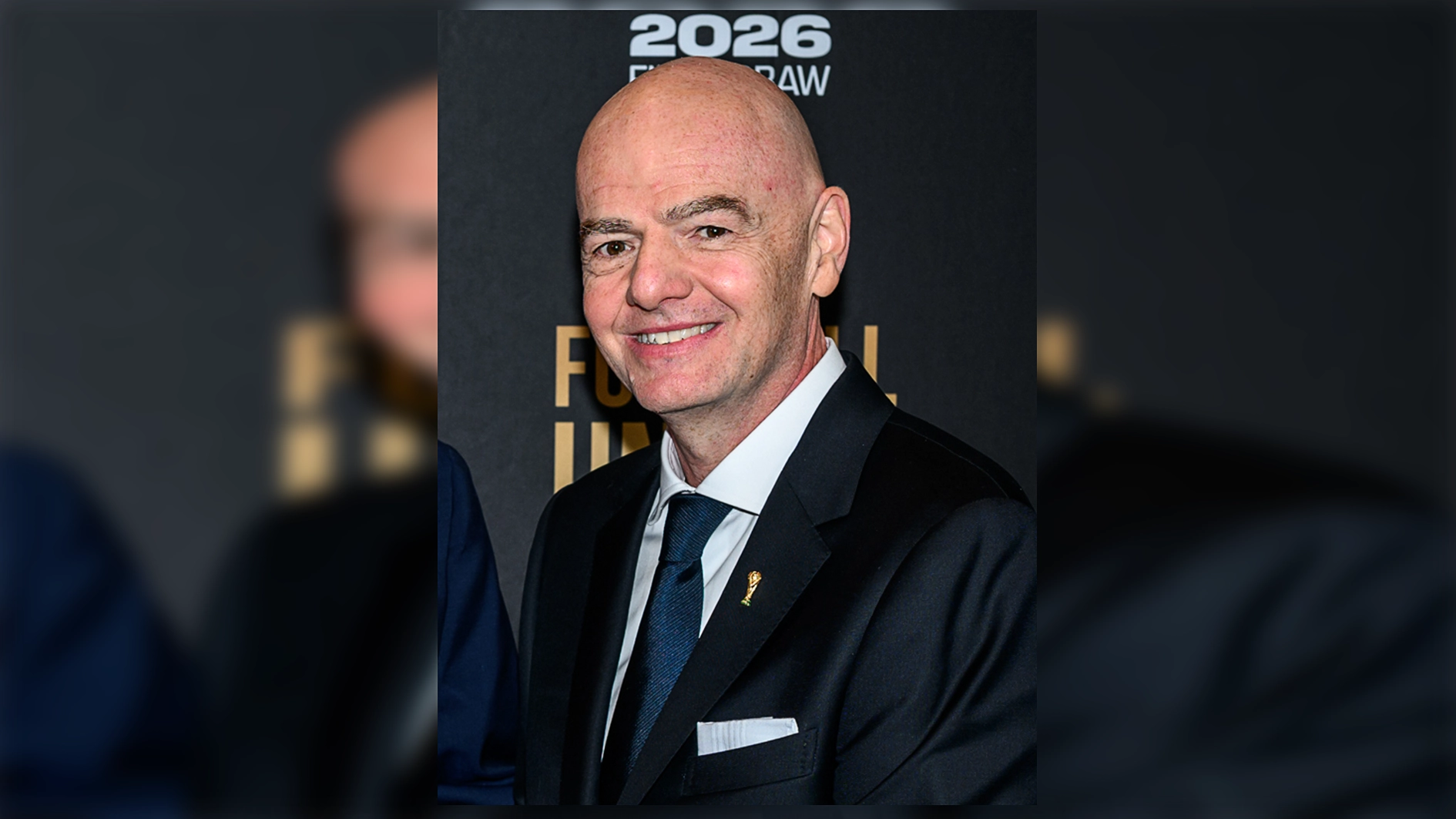
FIFA President, Gianni Infantino, got a bit of respite yesterday when five African football chiefs sent messages of support for the embattled Swiss-Italian, who is desperately trying to hang on to his position following the backlash that trailed his now dropped plan to sell the World Cup and other competitions to private investors.
According to Reuters, the Confederation of African Football’s (CAF) 54 members will meet today to discuss the developments in FIFA, among other issues.
Reuters reported that five of the continent’s influential football leaders have issued statements that offer Infantino support while also welcoming the decision to drop his controversial plan to sell a stake in future World Cup revenue.
Their messages came ahead of a meeting of CAF’s executive committee today at which they will discuss the abandoned plan to raise $4.2 billion from a new commercial rights body.
While Asia, Europe and CONCACAF, which runs the game in North and Central America and the Caribbean, all said over the weekend they had lost confidence in Infantino’s leadership, CAF has kept its counsel, offering Infantino hope he can count on the support of its large membership as he looks to hold on to power at next March’s FIFA presidential election.
According to the report, CAF only released a statement, opens new tab last Wednesday saying that it would study Infantino’s FIFA Forward Enterprise initiative, but he abandoned the project under intense pressure on Friday.
“It remains an item on the agenda for the CAF meeting, although there is no guarantee African football’s governing body will take any stand on Infantino’s future. But leading committee members say they are backing Infantino, including CAF Vice President Fouzi Lekjaa from Morocco and fellow FIFA Council members Hany Abo Rida (Egypt), Hamidou Djibrilla (Niger) and Ahmed Yhaya (Mauritania).
“There has also been a statement of support from Veron Mosengo-Omba, recently elected president of the football federation in the Democratic Republic of Congo and former CAF general secretary, who studied at University in Switzerland with Infantino.
“All released similarly worded messages welcoming Infantino’s decision to abandon the project before praising him and expressing support,” it said.
African countries helped Infantino to his election success in 2016 on the back of his promises to more than double development money dispensed to FIFA’s member associations.
It is this largesse that has helped keep him popular among African members, many of whom struggle financially and now largely depend on FIFA money to compete.
“Our problem is how to obtain money. Right now, we have no sponsors. So how do we compete? The richest nations can train players, have infrastructure and equipment, and it’s no coincidence that they then achieve results. Most European countries don’t have these problems,” said Said Ali Athouman, the president of the Comoros Football Federation.
“Our government is not able to make sure that they have medical supplies in hospitals and at the same time to look at football. Malawi needs money. Malawi needs stadiums,” added Fleetwood Haiya, president of the Football Association of Malawi.
FIFA baseline funding guarantees each of its 211 member associations $8 million over a four-year cycle, plus CAF also now offers an annual grant to its members.
But while Africa is showing strong support for Infantino, U.S. President, Donald Trump, who allegedly influenced some of the decisions the FIFA boss took before, during and after the 2026 World Cup, seems to be distancing himself from the football chief.
The World Cup in the United States, Canada and Mexico was judged a success on the field, though it had unprecedented issues linked to Infantino’s close ally Trump, who received a specially created FIFA Peace Prize at the tournament draw in December.
Reports yesterday said that Infantino has tried to reach Trump since the hullabaloo over the controversial FIFA Forward Enterprise (FFE) project began. However, Trump is said to have ignored him, leaving Infantino isolated amid mounting pressure to resign.
Also said to have distanced themselves from Infantino’s failed plan to sell stakes in future World Cup profits to private investors are Arsène Wenger and CEO-like secretary general Mattias Grafström.
Wenger said in a statement he knew nothing of the $20 billion plan and that it was “absolutely necessary” to drop the proposal, and Grafström sent an email to all FIFA staff — seen by The Associated Press — calling the last week a “sad and reproachable series of events.” He also said it created “turmoil which is difficult to comprehend and accept.”
Neither directly named Infantino nor offered support for the now-embattled president.
The comments by Wenger and Grafström had echoes of the direct criticism from FIFA chief operating officer Kevin Lamour, who said Friday that staff had been “deceived” by Infantino’s private equity plan, which provoked a furore in global soccer. Lamour called it the “project of one person” and said FIFA staff “deserve better than contempt and intimidation.”
The three executives are respected and trusted figures among the 211 FIFA member federations who now hold sway over Infantino’s grip on a presidency that looked unshakeable after the World Cup ended barely two weeks ago.
Wenger, Grafström and Lamour also were named in a letter from UEFA’s lawyers to Infantino among 18 executives whose data and communications should be retained as potential evidence.
“You do not need to worry,” Grafström wrote yesterday to the hundreds of FIFA staff based mostly in Zurich and Coral Gables, Florida. “I assure you that you, as members of the administration, will be defended and safeguarded from the political context we currently experience.”
Wenger, who was hired by Infantino in 2019 and is FIFA’s Chief of Global Football Development, said he was “not involved in this strategic plan and first became aware of the project through media reports.”

