 Follow Us on Google News


 Follow Us on Google Discover
The Lagos Waste Management Authority (LAWMA) has commenced a comprehensive overhaul of its waste management system, including a major restructuring of the Private Sector Participation (PSP) scheme to improve collection, strengthen accountability and reduce the volume of waste sent to landfills.
In this interview, LAWMA Managing Director, Dr Muyiwa Gbadegesin, explains how the reforms are moving the agency beyond the traditional focus on waste evacuation to a more integrated system built around performance-based PSP operations, technology and data monitoring, improved customer service, transfer stations, recycling, resource recovery and stronger regulation.
EXCERPTS
What are the major changes introduced under LAWMA’s latest waste management reforms, and how different are they from the previous approach to waste collection and disposal?
What we are reforming is principally the Private Sector Participation (PSP) waste collection system. We are repositioning the PSP system to make it more coordinated, performance-driven, accountable and responsive to the needs of Lagos residents.
To drive this process, we have established six working groups, each addressing a critical part of the waste management value chain.
The Operations, Routes and Fleet Working Group is looking at collection operations, route rationalisation, truck deployment and service coverage.
The Finance, Tariffs and Commercial Sustainability Working Group is examining the financial structure of the system, including costs, tariffs, payment compliance and the long-term viability of PSP operations.
The Technology, Data and Performance Management Working Group is focused on monitoring, performance tracking, data and evidence-based decision-making.
The Policy, Licensing and Regulation Working Group is reviewing the policy, licensing, contractual and regulatory framework to improve clarity, accountability and compliance.
The Customer Service, Advocacy and Enforcement Working Group is addressing resident communication, public awareness, customer response, compliance and enforcement.

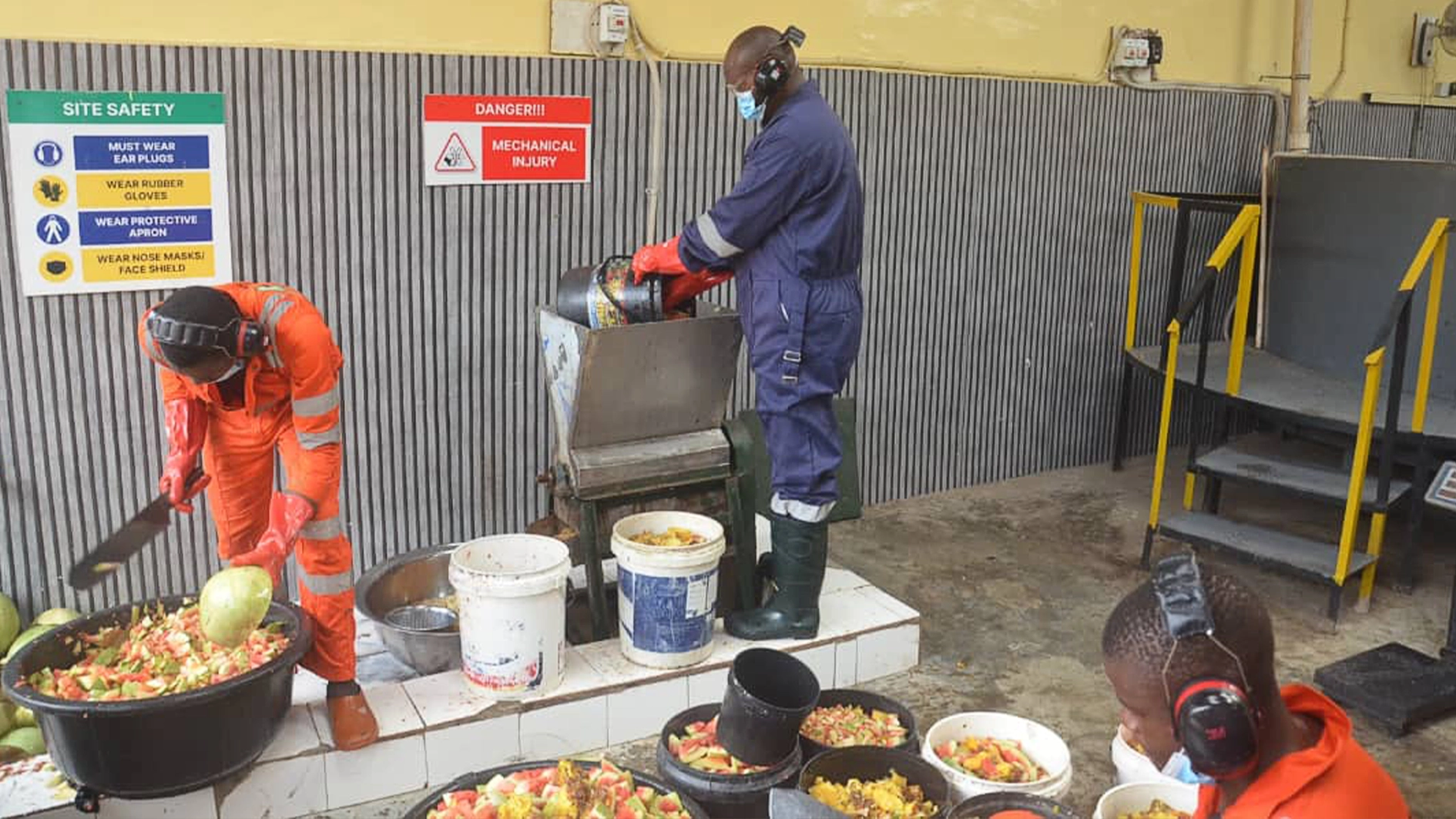
The Circular Economy and Resource Recovery Working Group is focused on recycling, reuse, recovery and reducing the volume of waste that ultimately requires disposal.
So, the difference is that we are moving from looking at waste collection as an isolated evacuation activity to treating it as an integrated system involving operations, finance, technology, regulation, customer service, enforcement and resource recovery.
The participatory process also involves PSP operators themselves, so that the reforms are informed by operational realities while maintaining clear performance expectations.
Lagos generates thousands of tonnes of waste daily. What is LAWMA’s current collection capacity, and what proportion of the waste generated across the state is actually collected each day?
Lagos currently generates between 13,000 and 16,000 tonnes of waste daily, and the scale of the operation is therefore enormous.
Our operational data recorded an average of about 13,200 tonnes evacuated daily across LAWMA and PSP operational corridors, with approximately 418,500 tonnes evacuated within a month.
However, I would not reduce the situation to a single percentage and suggest that this represents a fixed daily collection rate. Waste generation and evacuation fluctuate from day to day, and there are differences between collection, evacuation and final disposal.
Our focus is therefore on continuously increasing effective collection capacity, closing service gaps and ensuring that waste generated in communities reaches the appropriate collection and disposal channels in a timely manner.
How is LAWMA addressing persistent complaints about irregular waste collection, particularly in densely populated and low-income communities?
We are addressing this at both the system and community levels.
Where a PSP operator is not delivering the required service, we are reviewing the route, engaging the operator and, where necessary, restructuring or reallocating the route. We are also introducing additional capacity where population growth and waste generation have exceeded the capacity of existing operators.
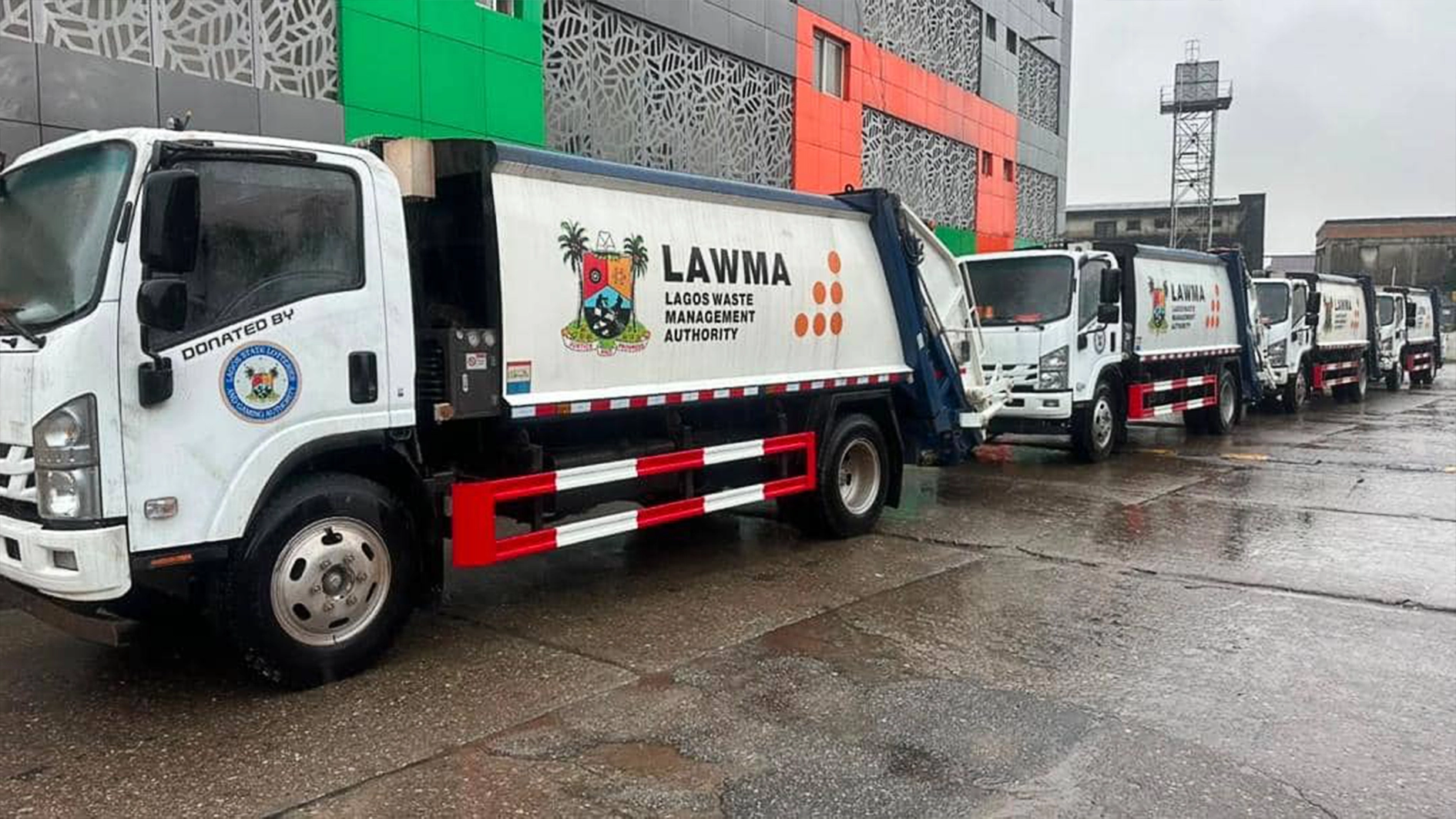
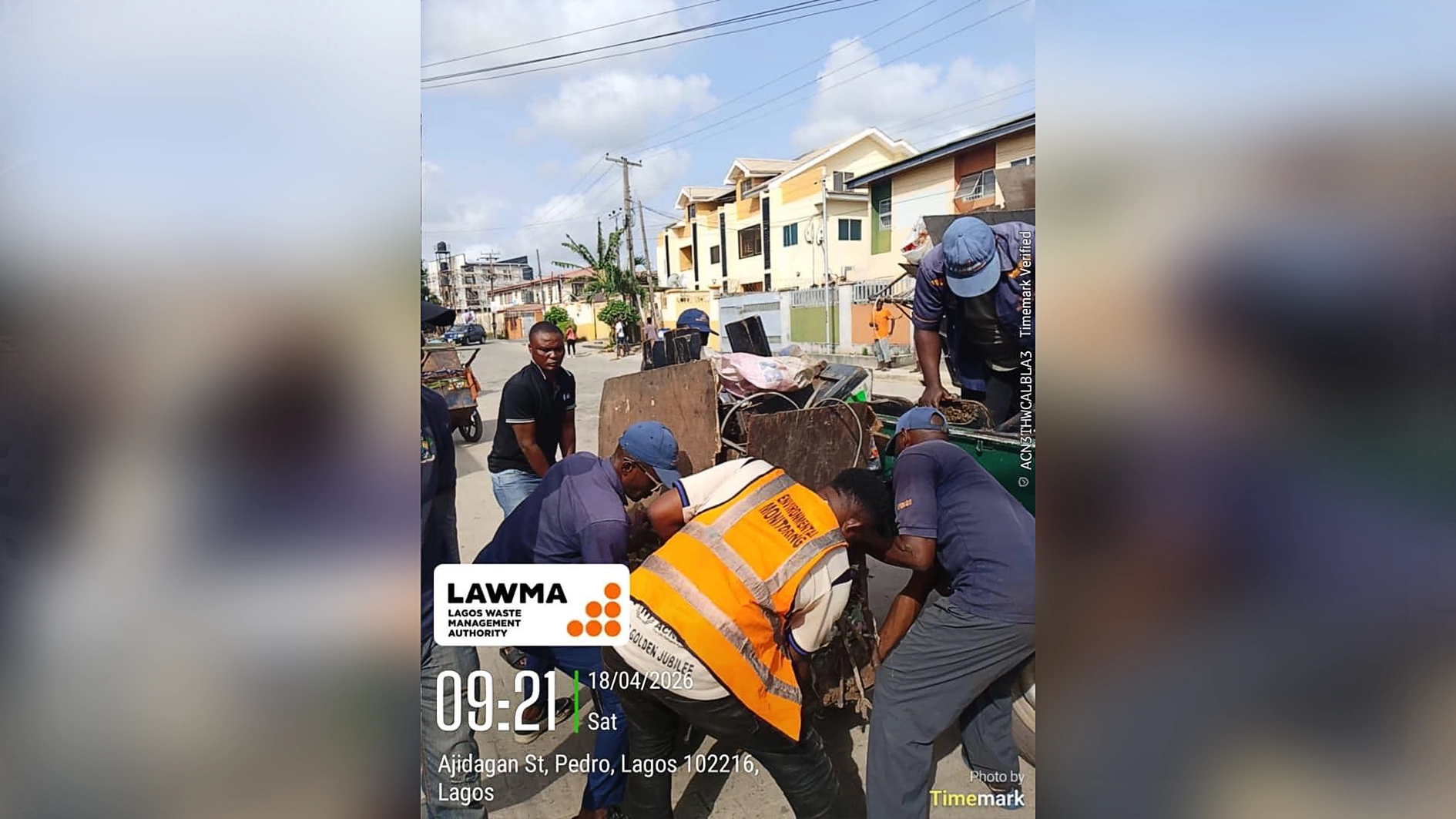
We are strengthening direct interventions in communities where service gaps have become persistent. This involves deploying LAWMA trucks and smaller compactor tricycles to difficult-to-reach areas.
Our approach is also changing from simply clearing a waste heap after it appears to asking a more fundamental question: why is the waste accumulating there in the first place?
That is why our inner-street collection model is important. If we clear a road median but residents still have no reliable collection arrangement, the waste will return. Our objective is to connect the clearance operation to a sustainable collection solution.
We are also strengthening complaint channels and follow-up. In the second-quarter assessment, for instance, 1,726 of 1,961 recorded complaints had been resolved, with an average response time of 24 hours.
What specific reforms are being implemented to improve the efficiency of PSP operators, and how is LAWMA monitoring their performance?
We are moving towards a more performance-based PSP system.
We are reviewing routes, service coverage, fleet capacity, payment compliance, customer service and operational performance. Operators that consistently fail to meet required standards cannot simply continue indefinitely without intervention.
Where necessary, LAWMA will withdraw, restructure or reallocate routes, while additional operators can be introduced where capacity is inadequate.
We are also strengthening technology and data-based monitoring so that decisions are increasingly based on verifiable operational information rather than assumptions.
As part of the current review, 27 routes were identified for restructuring or reallocation, while the second-quarter operational assessment recorded 442 active PSP operators.
The objective is not to have a particular number of PSP operators, but to have operators with the capacity, equipment, financial sustainability and willingness to provide reliable service.
With Lagos still heavily dependent on landfills, what is LAWMA doing to reduce pressure on existing dumpsites and transition from open dumping to more sustainable disposal methods?
We are tackling the problem from the infrastructure side as well as the waste recovery side.
One of the immediate solutions is the development of Transfer Loading Stations, which will enable collection trucks to discharge waste closer to their collection areas and return to service more quickly, while larger vehicles transport consolidated waste to appropriate recovery or disposal facilities.
We have also commenced the development of Transfer Loading Stations at Olusosun and Solous III, with the longer-term system linked to Material Recovery Facilities and other recovery infrastructure. Operational planning targeted the diversion of up to 4,000 tonnes of waste per day through the TLS system once the facilities are commissioned.
At the same time, we are improving the operational efficiency of existing disposal sites and expanding platforms and access infrastructure.
But the long-term answer is clear: we cannot continue to depend on landfills for every kilogramme of waste generated in Lagos. We have to recover what has value, recycle what can be recycled, treat organic waste and develop appropriate waste-to-energy pathways, with only the residual fraction going to final disposal.
How much progress has LAWMA made with recycling, Material Recovery Facilities and waste-to-energy initiatives, and when should Lagosians expect these projects to significantly reduce the volume of waste going to landfills?
We have made progress, but this is a transition and it will not happen overnight.
We have registered and licensed over 500 recycling vendors and recyclers, engaged different communities on source separation and recycling, collected thousands of kilogrammes of recyclables through the Waste-to-Wealth programme, and engaged schools on recycling and environmental protection.
We have also commissioned the Ikosi biogas facility, while advancing broader organic-waste and resource-recovery initiatives.
On the infrastructure side, Material Recovery Facilities are being developed as part of the wider collection-to-recovery system, while legal and PPP frameworks are also being developed for larger-scale waste-to-energy projects.
What we are building is a progressive diversion system, and as the TLS, MRF, recycling, organic-waste and waste-to-energy infrastructure comes on stream, the volume of waste requiring final disposal will progressively reduce.
What are the biggest operational challenges currently confronting LAWMA, and which poses the greatest obstacle?
The challenges are interconnected, so I would not single out one and ignore the others.
We are dealing with rapid population growth, increasing waste generation, PSP service gaps, equipment requirements, traffic, access to disposal facilities, landfill pressure and public compliance.
There is also the challenge of illegal dumping and the activities of unauthorised waste collectors because these undermine an organised collection system.
The recent pressure on disposal infrastructure has demonstrated how one problem can affect the entire chain. When trucks spend too much time waiting at disposal facilities, their turnaround time increases. When trucks are delayed, collection schedules can be affected; and when collection is delayed, some residents resort to unauthorised disposal.
That is why our response has to be systemic. We are addressing collection, fleet, disposal infrastructure, transfer stations, recovery, PSP performance, enforcement and public behaviour together.
How much investment is required to modernise Lagos’ waste management system, and where will that funding come from?
Modernising waste management in a city of Lagos’ size requires substantial and sustained investment, particularly in collection vehicles, transfer stations, disposal infrastructure, Material Recovery Facilities, recycling systems and waste-to-energy infrastructure.
What is clear is that government cannot and should not carry the entire burden alone. We are therefore pursuing a combination of Lagos State Government funding, private-sector investment, Public-Private Partnerships, development partnerships and commercially viable circular-economy projects.
The reform of the PSP system is also important because a sustainable waste management system requires operators that can invest in their fleets and operations and remain financially viable.
Our objective is to create a system in which public investment provides the necessary infrastructure and regulatory framework, while private capital and partnerships help expand operational and recovery capacity.
Beyond enforcement, what is LAWMA doing to change public behaviour around waste disposal, non-segregation and disposal in drains and waterways?
We recognise that enforcement alone cannot change behaviour.
We are combining enforcement with public education, community engagement, source-separation advocacy, recycling programmes, school programmes and direct engagement with markets, businesses and community organisations.
Our circular-economy programme has already taken source-separation education into communities and schools, while the Waste-to-Wealth programme is demonstrating that materials commonly regarded as waste can have economic value.
We are also strengthening communication around the simple responsibilities of residents: properly package waste, patronise accredited PSP operators, pay for collection services, do not dump waste in drains, waterways, roads or medians, and report service failures through the appropriate channels.
But behaviour change must go hand in hand with service improvement. We cannot ask residents to comply while ignoring genuine service gaps. That is why our reform combines service delivery, advocacy and enforcement.
What measurable targets has LAWMA set for the next one to three years, and how will Lagosians assess whether the reforms are succeeding?
For us, success will not be measured simply by the number of tonnes of waste we evacuate.
We will be looking at whether collection becomes more regular, service gaps become fewer, complaints are resolved faster, PSP performance improves, truck turnaround time reduces, more materials are recovered, and less waste is sent directly to landfill.
We will also measure the number of routes successfully restructured, the performance of PSP operators, the development and utilisation of Transfer Loading Stations and Material Recovery Facilities, the growth of recycling and resource recovery, and the reduction of recurring waste blackspots.
Our approach to blackspots is particularly important. We have made it clear that the success of an intervention should not be measured simply by how many dumps LAWMA clears, but by how many cleared locations remain clean.
The operational cycle has to move from “dump, clear, redump, clear” to “collect, control, comply, monitor and sustain.”
Ultimately, Lagosians should judge us by what they experience: more reliable collection, cleaner communities, quicker response to complaints, better-performing PSP operators, improved infrastructure and a gradual reduction in the amount of waste that requires final disposal.
Quote: “Our circular-economy programme has already taken source-separation education into communities and schools, while the Waste-to-Wealth programme is demonstrating that materials commonly regarded as waste can have economic value

