 Follow Us on Google News
 Follow Us on Google Discover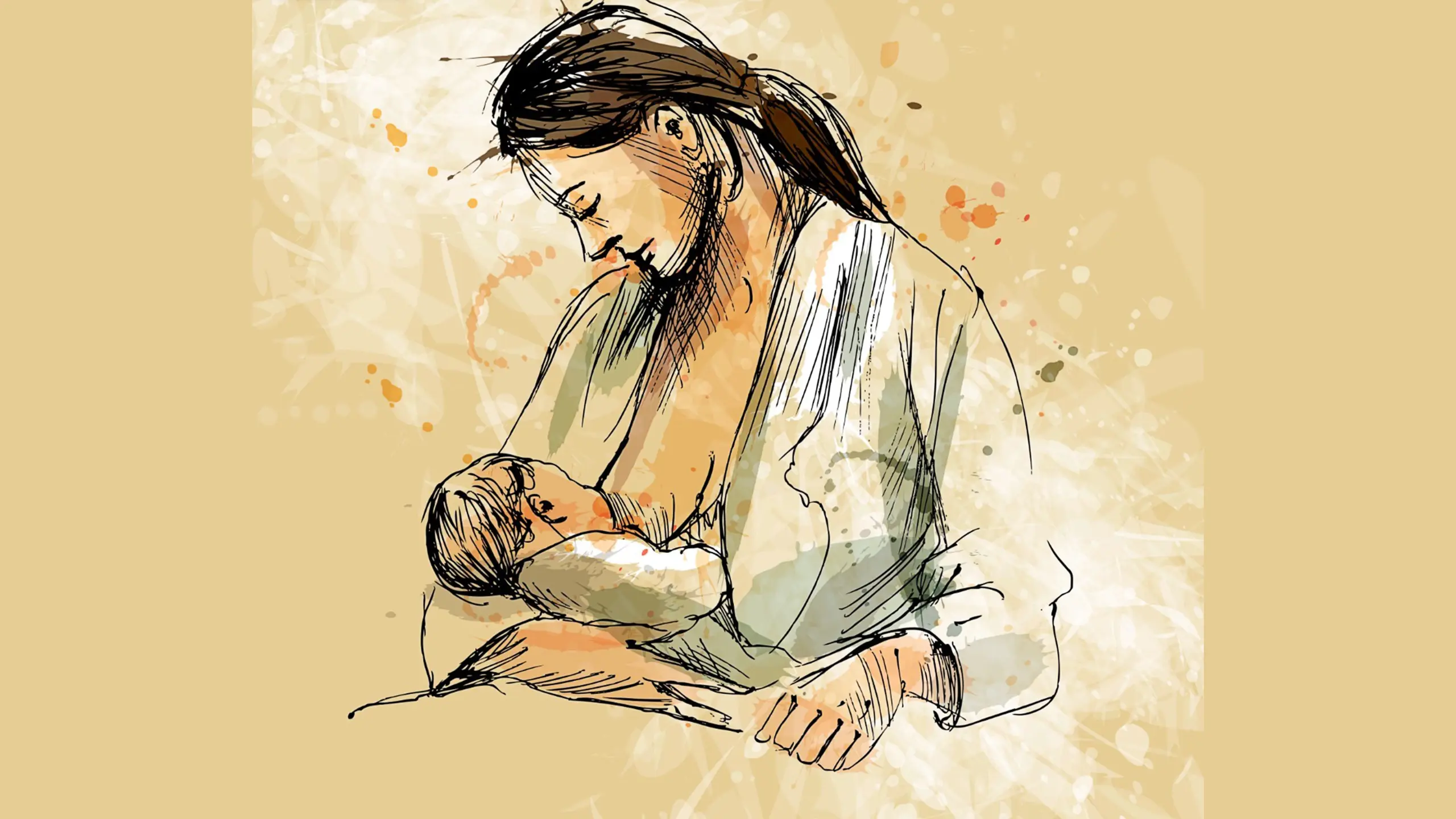
The Federal Government has launched the First 1,000 Days of Life Nutrition, Social and Behaviour Change Campaign to tackle child malnutrition, improve infant survival through increased exclusive breastfeeding and promote better maternal nutrition.
The campaign, unveiled by the Federal Ministry of Health and Social Welfare as part of activities marking the 2026 World Breastfeeding Week, identified exclusive breastfeeding as one of the most effective investments in raising healthier children and building stronger communities.
Speaking at the launch, the Permanent Secretary in the ministry, Daju Kachollom, expressed concern over Nigeria’s low exclusive breastfeeding rate. She revealed that although about 95 per cent of mothers breastfeed, only 29 per cent exclusively breastfeed their babies during the first six months of life, while just 36 per cent begin breastfeeding within one hour after delivery.
Kachollom warned against the practice of giving newborns water or honey instead of colostrum, the antibody-rich first milk produced after childbirth, stressing that it provides essential protection against infections. “Breastfeeding is a life-saving intervention and one of the smartest investments for building healthier children, stronger families and resilient communities,” she said.
She disclosed that the government would strengthen implementation of the National Maternal Strategy, enforce regulations on the marketing of breast milk substitutes and expand the Baby-Friendly Hospital Initiative across primary healthcare facilities nationwide.
Kachollom also encouraged families to improve household nutrition by cultivating home gardens and making greater use of locally available nutritious foods such as amaranth, Tom Brown, plantain flour and sweet potatoes.

She further urged pregnant women to attend antenatal clinics and ensure their children receive routine immunisation, noting that community participation remains critical to improving child nutrition.
The permanent secretary observed that only 21 states have approved six months of paid maternity leave, stressing the need for nationwide adoption of family-friendly workplace policies that support nursing mothers.
Also speaking, the Senior Special Assistant to the President on Public Health, Uju Rochas-Anwukah, described breastfeeding as one of the world’s most effective public health interventions and said it should be regarded as a national development priority rather than a personal choice.
“Every Nigerian mother, regardless of where she lives, deserves equal access to breastfeeding support, counselling and accurate nutrition information,” she said.
Anwukah called for the expansion of the newly launched campaign to all 774 local government areas through the Nutrition 774 initiative and urged employers to establish breastfeeding-friendly workplaces.
She reaffirmed the commitment of the President Bola Tinubu administration to policies that support maternal and child health, noting that healthier children contribute to stronger national development.
The World Health Organisation’s Nigeria Team Lead for Communicable and Non-Communicable Diseases, Mya Ngon, called for stronger legislation to protect breastfeeding, increased investment in nutrition programmes and expanded support for families and healthcare workers.
Ngon commended the government for ongoing efforts to improve maternal and child health through breastfeeding promotion and the revitalisation of Baby-Friendly Hospitals but stressed that more needed to be done to improve exclusive breastfeeding rates nationwide.
She cited evidence showing that breastfeeding counselling could increase exclusive breastfeeding by 58 per cent, while Baby-Friendly Hospital programmes could improve breastfeeding outcomes by as much as 45 per cent.
Also, UNICEF Representative, Rownak Khan, described breast milk as a child’s “first vaccine” against disease, malnutrition and preventable deaths. He said greater investment in breastfeeding could save billions of dollars globally each year by reducing maternal and child deaths while improving children’s physical and cognitive development.
Khan urged governments, employers, religious and traditional leaders, healthcare workers and the media to work together to promote breastfeeding, improve maternal nutrition and create an enabling environment that gives every Nigerian child the healthiest possible start in life.

