 Follow Us on Google News
 Follow Us on Google Discover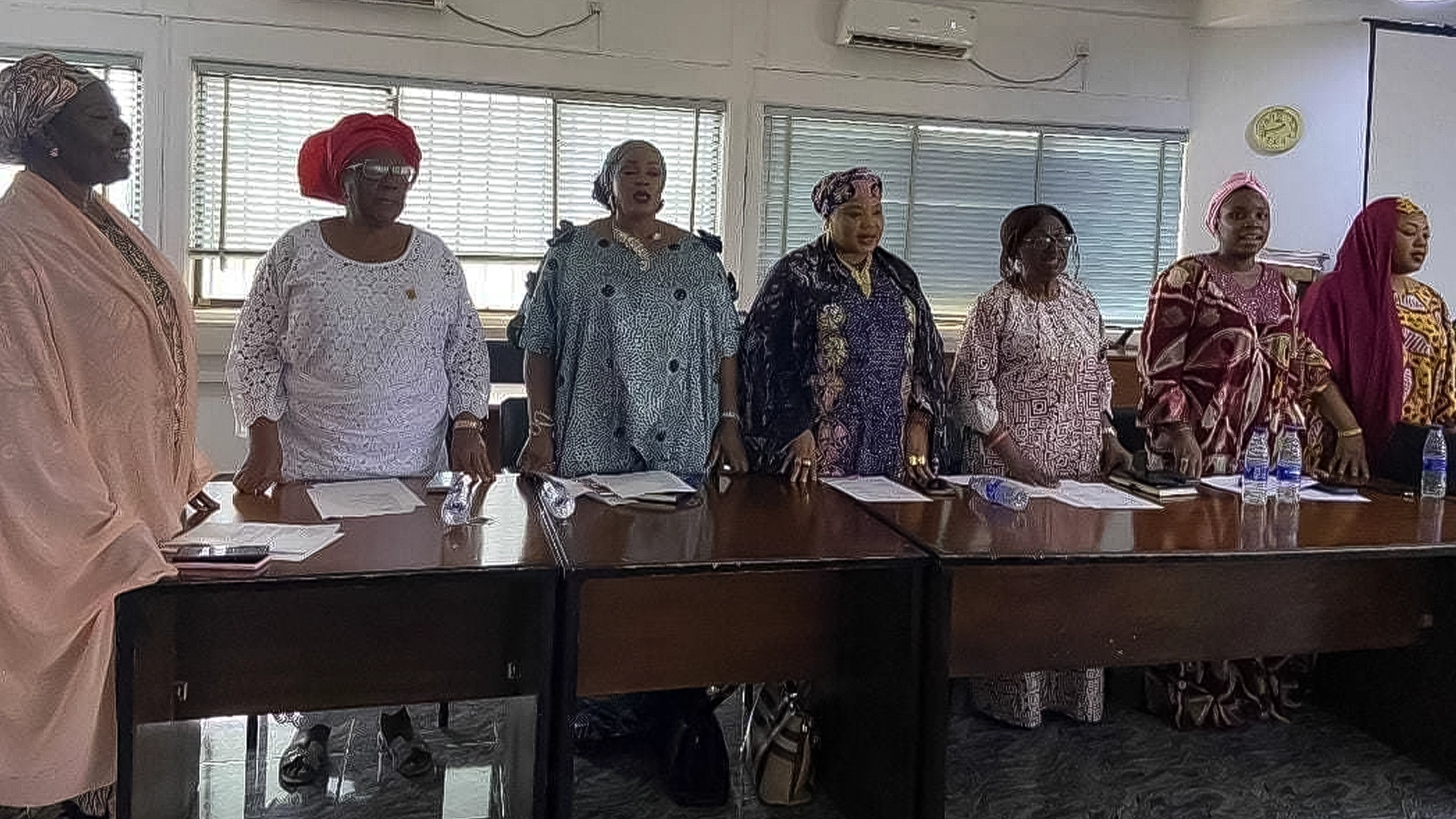
Women leaders, politicians and gender advocates have called for deliberate measures to strengthen women’s visibility within political parties, saying greater participation in party structures is critical to improving female representation in the 2027 general elections.
The call came at a policy roundtable organised by the 100 Women Lobby Group (100WLG) in Abuja, where participants warned that without sustained mobilisation, advocacy and institutional support, women’s representation in elective offices could decline further after the next election cycle.
The meeting, themed “From Participation to Leadership: Advancing Women’s Visibility, Influence and Political Representation in Nigeria,” examined the barriers confronting women seeking political office and explored strategies for increasing their influence in governance.
National Coordinator of 100WLG, Dr Felicia Onibon, said the dialogue was convened to prepare women for the political process ahead of 2027 by strengthening their confidence, expanding their networks and encouraging greater participation within political parties.
She noted that while many women aspire to elective positions, they often lack the political support, visibility and financial backing required to compete effectively after party primaries.
According to her, the organisation intends to continue engaging participants beyond the roundtable to ensure that discussions translate into practical action within political parties and across the political landscape.

Onibon also highlighted ongoing conversations around alternative mechanisms for improving women’s representation, including proposals for an electoral college system. While acknowledging concerns over the model, she said it could serve as a transitional measure if backed by sustained advocacy and effective implementation.
Former Minister of Women Affairs, Josephine Anenih, urged women to become more active in party politics rather than waiting for opportunities to be created for them.
She said political relevance would only come through sustained engagement, strategic lobbying and active participation in party activities, stressing that women must position themselves as indispensable actors in the political process.
Anenih also underscored the importance of grassroots mobilisation, collaboration among women and stronger partnerships with civil society organisations to build the momentum required for greater political inclusion.
She encouraged women to overcome self-imposed limitations, participate consistently in party meetings and work collectively to support female aspirants during party primaries.
National Women Leader of the Nigeria Democratic Congress (NDC), Dudu Mamman Manuga, observed that although women play prominent roles during election campaigns, they remain underrepresented in decision-making positions within political parties.
She urged women to pursue leadership opportunities beyond elective offices, noting that sustained contributions within party structures could also open pathways to appointments in government and other strategic positions.
Governance advocate and founder of the Ene Obi Foundation, Ene Obi, cautioned against adopting an electoral college system for women’s representation without broader constitutional and electoral reforms.
She argued that such models function best in countries operating proportional representation systems and warned that introducing them into Nigeria’s existing electoral framework could create additional governance and accountability challenges.
Obi maintained that meaningful progress in women’s political representation ultimately depends on political will, urging women across party lines to unite behind reforms capable of expanding their participation in governance.
She also called for renewed support for legislative initiatives aimed at increasing women’s representation and encouraged greater civic education to promote informed political participation.
Representing the Federal Ministry of Women Affairs and Social Development, Director of Women Development, Blessing Anunike, reaffirmed the Federal Government’s commitment to advancing gender equality through policies and partnerships that remove barriers to women’s political participation.
She said the ministry would continue working with political parties, civil society organisations, development partners and other stakeholders to create an enabling environment for women to participate fully in governance, while implementing Nigeria’s commitments under international and regional gender equality frameworks.
Participants at the roundtable agreed that improving women’s political representation requires sustained advocacy, stronger institutional support, leadership development, grassroots mobilisation and reforms capable of creating a more inclusive democratic process ahead of the 2027 elections.

