 Follow Us on Google News


 Follow Us on Google Discover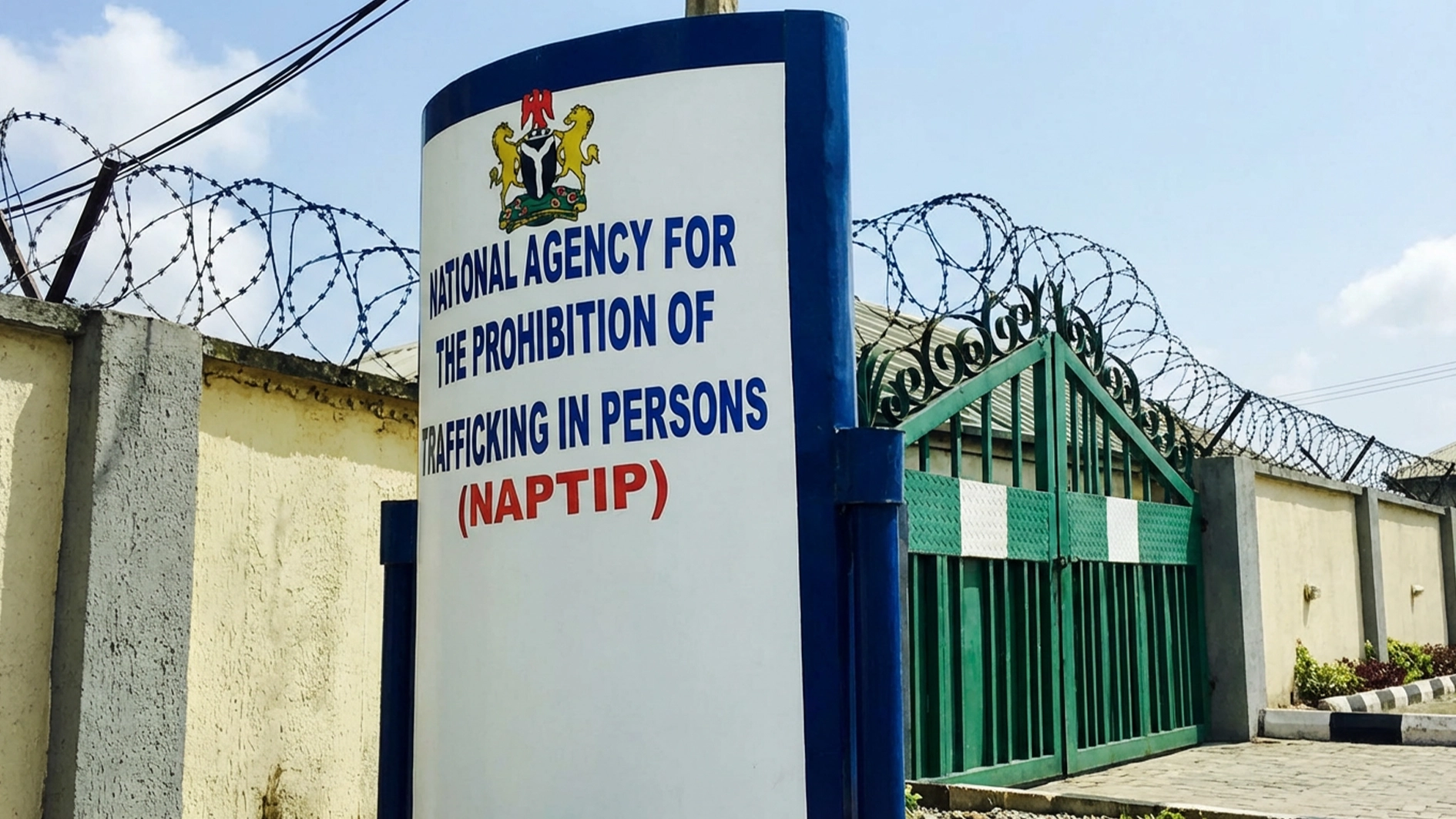
To tackle the rising menace of Sexual and Gender-Based Violence (SGBV), the National Agency for the Prohibition of Trafficking in Persons (NAPTIP), in partnership with the European Union (EU) and International IDEA, has launched a specialised media corps to drive public communication and enforce legal accountability.
The initiative, part of the EU Support to End Sexual and Gender-Based Violence (ESGBV) programme, was unveiled during a capacity-building workshop in Abuja.
Speaking at the inaugural session for journalists from the FCT and Kaduna, gender expert and facilitator Toyin Adewale-Gabriel stated that the strategic goal of the media corps is to promote positive norm changes and address emerging trends, particularly technology-facilitated SGBV.
She urged media practitioners to move beyond episodic reporting and consistently keep the issue on the front burner to ensure the strict enforcement of the Violence Against Persons (Prohibition) (VAPP) Act of 2015.
She noted that “There is a huge gap in knowledge, in information, and in keeping the issue on the front burner.
“We need to support the enforcement of the VAPP Act by promoting information on the Act and its power to hold perpetrators accountable.”
Highlighting the need to track convicted sexual offenders who are missing from the national sex offenders register, she charged the media to hold the government accountable through investigative journalism.
Adewale-Gabriel noted that the workshop would be followed by a structured mentoring process, adding: “You are a structured mechanism for driving change through persistent, ethical, and coordinated media practice.
“You must report survivor-centred and evidence-based stories at all times, not hearsay, while protecting survivors and their confidential sources without exception.”

She further explained that grouping the states offers a unique platform for collaborative cross-border investigations to bring a national spotlight to the crisis.
The training is designed for journalists across four focal states: the Federal Capital Territory (FCT), Kaduna, Benue, and Oyo.
Also speaking, the Head of the Press and Public Relations Unit at NAPTIP, Vincent Adekoye, who represented the agency’s Director General, Binta Bello, emphasised the need for media professionals to adapt to the evolving and sophisticated tactics of perpetrators.
According to him, “Traffickers and rapists are not on the normal routine again; we have to bring in technology also.”
He urged the media corps to maximise the collaboration by producing in-depth news analysis rather than superficial reports.
“We want to provoke you because we want you to be in our shoes. We do not want this event to stop today with just a one-off story. We want developing stories and news analysis,” he added.

