 Follow Us on Google News


 Follow Us on Google Discover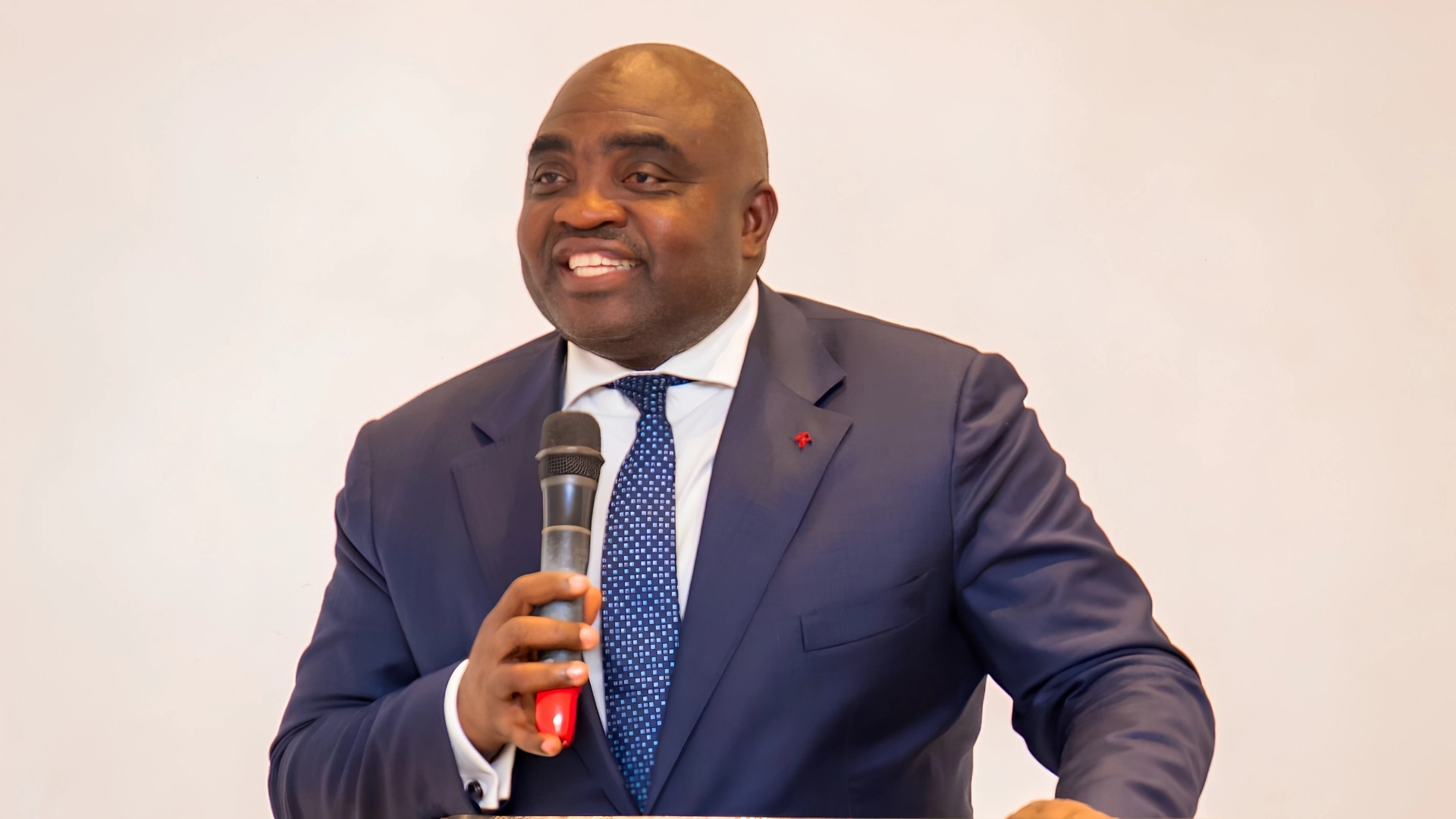
Nigeria’s home-grown Public-Private Partnership (PPP) model for customs modernisation has been adopted as the template for a $3.1 billion African Continental Free Trade Area (AfCFTA) customs modernisation project expected to cover about 50 member countries.
The Infrastructure Concession Regulatory Commission (ICRC) said the development marked a significant shift in Nigeria’s position from being a market for infrastructure and technology solutions to becoming an exporter of an indigenous solution to the rest of Africa.
The Director-General of the ICRC, Dr Jobson Oseodion Ewalefoh, disclosed this in Abuja yesterday while reacting to the signing of the 20-year AfCFTA Customs Modernisation Project concession agreement between the AfCFTA Secretariat and Bergmans Security Consultants and Supplies Limited, the parent company of Trade Modernisation Project (TMP).
The continental project is expected to deploy the customs modernisation model across participating AfCFTA countries in support of a single African market serving about 1.3 billion people.
The agreement followed the experience of Nigeria’s Customs Modernisation Project, under which TMP developed B’Odogwu, the Unified Customs Management System now being deployed across the Nigeria Customs Service (NCS).
The AfCFTA Secretary-General, Wamkele Mene, had said Nigeria’s experience demonstrated how technology could transform customs administration, adding that the results recorded in the country gave the Secretariat confidence to replicate the model across the continent.
Ewalefoh said the adoption of the Nigerian model demonstrated the potential of properly structured and regulated PPPs to deliver infrastructure and technology solutions beyond Nigeria’s borders.

“Africa is not just adopting a piece of technology. Africa is adopting a Nigerian idea, built by Nigerians, proven on Nigerian soil, and now trusted to carry the trade ambitions of an entire continent,” he said.
He said the development was particularly significant because the solution was developed indigenously rather than imported from a foreign technology provider.
“It should be our pride that Nigeria can sell something to the rest of Africa. We are not selling a solution built by a foreign company; we are selling an indigenous Nigerian company to the world. Nigerian engineers and Nigerian talent designed and built this solution from scratch,” Ewalefoh said.
The ICRC said the project had its origins in Nigeria’s PPP framework and benefited from sustained government support, noting that Ewalefoh himself served as the Commission’s desk officer on the project during its formative years before becoming Director-General.
According to him, the project encountered doubts and resistance at its inception, particularly over the capacity of the private-sector proponent to deliver the required technology and transformation.
“When this project came on board, there were a lot of doubts. We asked ourselves: will this work, can we trust the capacity of the proponent? But today, what we are seeing is amazing,” he said.
Ewalefoh identified institutional resistance to change, rather than lack of funding or ideas, as one of the major challenges confronting large-scale reforms.
He also commended the Comptroller-General of Customs, Bashir Adewale Adeniyi, for driving the deployment of B’Odogwu across Customs commands, saying the sustained implementation had helped build confidence in the Nigerian model.
The ICRC said the partnership between the NCS and TMP demonstrated that PPP arrangements could combine public-sector oversight with private-sector expertise without undermining government responsibilities.

The Commission also cited the Lekki Deep Sea Port as another example of how properly structured concessions could mobilise private capital for major infrastructure projects.
According to the ICRC, the customs modernisation project also illustrates the role expected of private investment in achieving Nigeria’s $1 trillion economy ambition under the Renewed Hope Development Plan 2026–2030.
Ewalefoh said the customs project had already contributed to significant growth in customs revenue since implementation commenced, arguing that PPPs could strengthen government finances while reducing the need for public borrowing to finance infrastructure.
He noted that the selection of Bergmans for the continental project also demonstrated the emergence of Nigerian enterprises as infrastructure and technology providers for the wider African market.

