 Follow Us on Google News


 Follow Us on Google Discover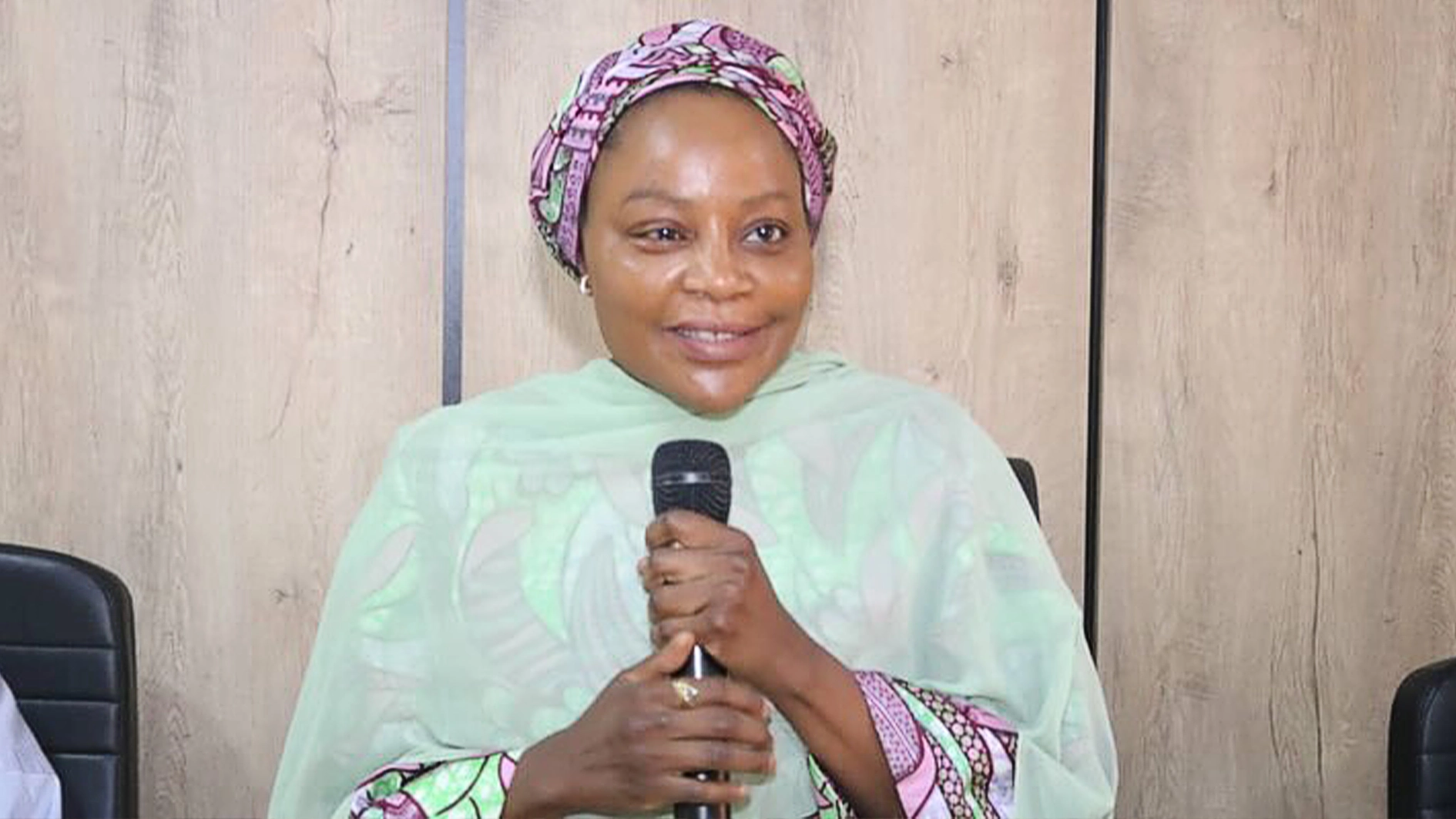
The Universal Basic Education Commission (UBEC) has raised the alarm over the huge volume of education funds lying unaccessed and unutilised across the states, urging governments to urgently deploy more than N332 billion available for basic education development.
UBEC Executive Secretary, Aisha Garba, disclosed that while states had accessed more than N177 billion in UBE Matching Grants, over N65 billion in counterpart funds remained unaccessed, with another N267 billion in previously released intervention funds still unutilised.
Garba said the development was unacceptable at a time when millions of Nigerian children continue to face challenges ranging from inadequate classrooms and poor sanitation facilities to limited access to quality learning.
She spoke in Asaba, Delta State, at the opening of the 30th Quarterly Meeting of UBEC Management with Executive Chairmen of State Universal Basic Education Boards (SUBEBs), themed: “Repositioning Basic Education in Nigeria to Optimise Investment and Impact.”
The Executive Secretary said states must move beyond merely accessing education funds to ensuring that resources were properly planned, utilised, monitored and converted into measurable improvements in schools and learning outcomes.
According to her, “the real measure of success is not the amount of money accessed or spent, but the impact such investments make on the lives and learning of Nigerian children.”

Garba also called for stronger partnerships between state governments and the private sector, development partners and civil society organisations, stressing that the scale and complexity of Nigeria’s basic education challenges required broader and more sustainable financing.
She announced the commencement of the review of UBEC’s 10-Year Strategic Roadmap, which is being extended to cover 2026–2035, saying the revised framework would align investments with emerging realities, strengthen implementation and improve outcomes in the basic education sector.
The UBEC boss further urged states to prepare fully for the HOPE-EDU Operation, describing the initiative as an opportunity to strengthen the systems, institutions and human capacity required to achieve sustainable improvements in basic education.
Garba also unveiled the Basic Education Action Plan Management System (BEAP-MS), a digital platform developed by UBEC to replace the largely manual process of preparing and submitting state action plans.
She said the system would improve coordination between UBEC and SUBEBs, increase efficiency, strengthen accountability and reduce the need for repeated physical visits to the Commission’s headquarters.
The Executive Secretary equally highlighted the Whole School Approach, under which UBEC interventions would move away from fragmented projects towards comprehensive development of selected schools, combining classrooms, water and sanitation facilities, fencing, furniture and other essential infrastructure.
She said the successful conduct of the National Learning Assessment, in collaboration with the Federal Ministry of Education, would provide credible evidence for targeting interventions and improving learning outcomes.
Speaking through his Deputy, Sir Monday Onyeme, Delta State Governor Sheriff Oborevwori described education as the most strategic investment any nation could make, insisting that its value should ultimately be measured by the quality of learning and opportunities created for children.
Oborevwori said Delta had prioritised education under its MORE Agenda and fulfilled its counterpart funding obligations, while investing in classrooms, fencing, toilets, solar power, furniture, staff quarters, SMART Schools and technical and vocational education.
The Governor also commended UBEC for approving two additional model SMART Schools for the state, noting that Delta had already provided the required land for the projects.
The Asagba of Asaba, Prof. Epiphany Azinge, challenged UBEC and SUBEBs to shift their focus from expenditure to outcomes, arguing that the success of education investments should be determined by the competencies children acquire rather than the number of projects executed.
Azinge said the true wealth of Nigeria resided in the minds of its children, urging greater attention to girls, children with disabilities, rural and nomadic communities, conflict-affected children and pupils from economically disadvantaged backgrounds.
The meeting, which brings together UBEC management, SUBEB chairmen, education officials, development partners and other stakeholders, is expected to accelerate the utilisation of available funds and strengthen planning, implementation and accountability in basic education countrywide.

