 Follow Us on Google News


 Follow Us on Google Discover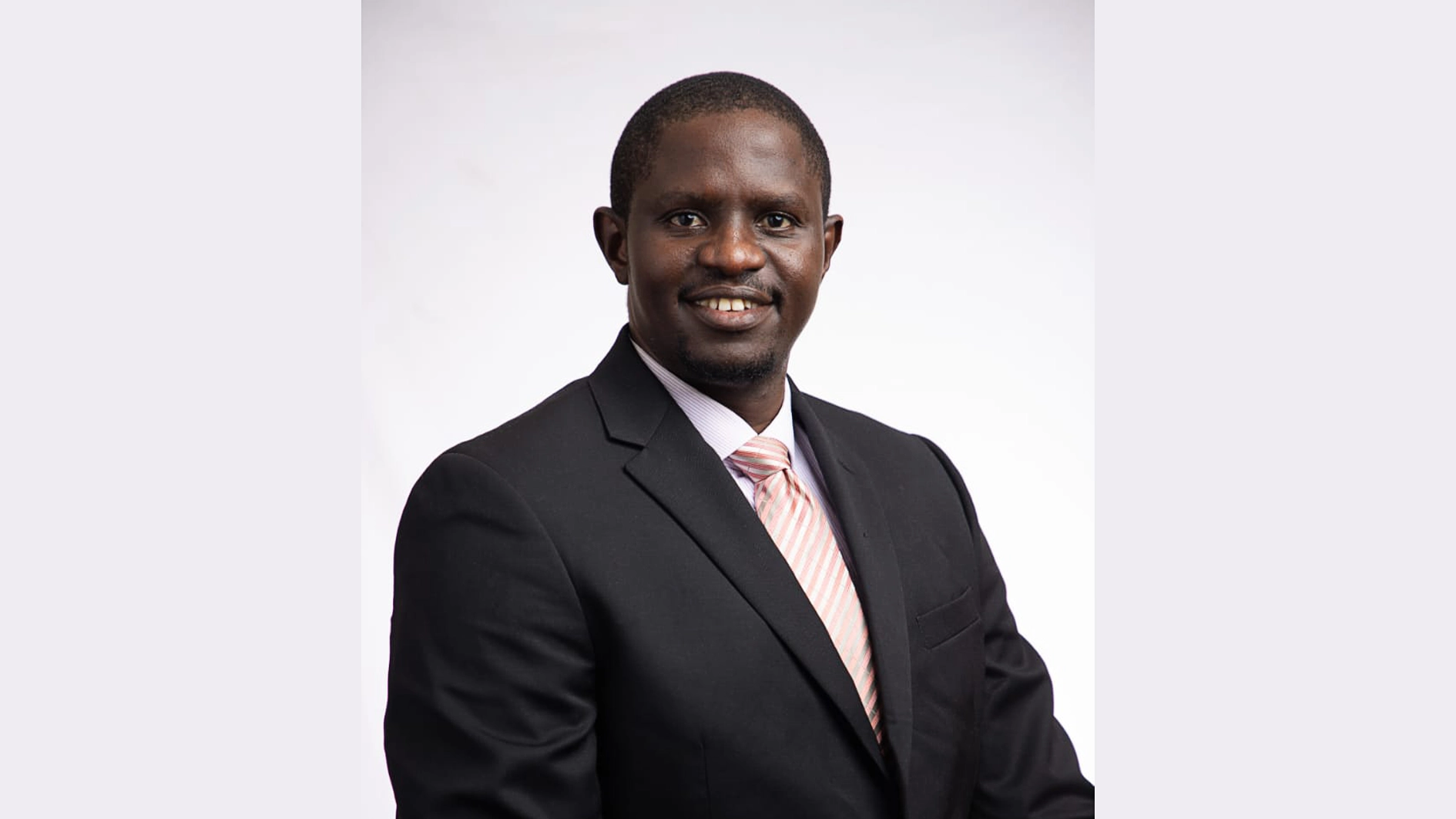
By: Samuel O. Agboola
Samuel O. Agboola is a retired Chief Superintendent of Police, former United Nations Police officer, human rights practitioner, and security professional with a Master of Science in Cybersecurity and CyberSystems from Southern Illinois University. Based in the United States, his work focuses on counterterrorism, intelligence-led policing, policing reform, cybersecurity, and institutional accountability.
Nigeria’s security operations have continually weakened Boko Haram and other terrorist groups, yet the country’s insurgency has persisted. Agboola argues that the missing weapon is neither greater firepower nor larger deployments. It is the trust that transforms communities into willing partners in intelligence gathering.
For years, Nigeria has invested heavily in military and other security operations against Boko Haram and other terrorist groups. Agboola acknowledged the sacrifices and achievements of the Armed Forces, the Nigeria Police Force, intelligence agencies, vigilante groups, and other security personnel, including the recovery of communities, destruction of terrorist camps, rescue of victims, and prevention of attacks. Yet the insurgency has repeatedly adapted and regenerated, demonstrating that security operations alone cannot deliver lasting peace.
Agboola believes Nigeria’s greatest challenge is not a lack of security capability but an overreliance on kinetic operations at the expense of intelligence. Counterterrorism, Agboola argued, is ultimately an intelligence-led security enterprise in which policing, military operations, intelligence collection, community partnership, and accountable governance reinforce one another. While military operations can destroy camps and eliminate fighters, they cannot by themselves dismantle the human networks, ideological influence, and local support systems that enable violent extremist organisations to regenerate.
According to Agboola, insurgents survive by blending into civilian populations, exploiting local relationships, understanding the terrain, and intimidating communities into silence. Fear, he argued, becomes one of terrorism’s most effective weapons because it prevents citizens from sharing the intelligence needed to expose terrorist networks.

Agboola stressed that terrorists are not ghosts operating entirely beyond the sight of society. They enter communities, maintain local contacts, obtain supplies and information, and sometimes rely on collaborators who move freely among the population. In affected communities, some residents may know or suspect who these individuals are and recognise the danger their activities pose. Yet fear and distrust of the system can discourage them from approaching security agencies. The intelligence therefore exists within the community, but without trust, it may never reach those capable of acting on it.
Trust, Agboola argued, should be regarded as an operational capability. Like intelligence itself, it can be built through professionalism, strengthened through accountability, weakened by misconduct, and ultimately lost through institutional failure.
Communities often notice suspicious activities before security agencies do, but intelligence is only shared when citizens believe they will be protected and taken seriously.
Drawing from his operational experience in northeastern Nigeria, Agboola recalled an encounter in 2013 involving a captured Boko Haram member whose unwavering commitment to the insurgency left a lasting impression. According to him, the detainee expressed a readiness to return to the group if released because he believed he was fighting for a divine cause.
Although Agboola cautioned against judging an entire movement by the views of one individual, he said the encounter illustrated the depth of ideological indoctrination that often sustains violent extremist organisations. It also reinforced his conviction that defeating terrorism requires far more than removing individual fighters from the battlefield. Unless extremist narratives, recruitment pipelines, and the social conditions that sustain them are disrupted, he warned, insurgent groups will continue replacing those they lose.
Although modern technologies such as drones and satellite imagery have transformed surveillance, Agboola maintained that they cannot replace trusted human intelligence. Technology may reveal movement, he explained, but communities often provide the context that distinguishes ordinary activity from preparations for violence. Technology collects data. Communities provide meaning.
For that reason, Agboola believes community policing should occupy a far more central place in Nigeria’s counterterrorism strategy. In his view, genuine community policing extends well beyond ceremonial meetings or public relations engagements. It depends on sustained relationships with traditional institutions, religious leaders, women’s associations, youth groups, teachers, market unions, transport workers, and other trusted community stakeholders whose knowledge of local dynamics can strengthen intelligence gathering and prevent attacks before they occur.
Agboola stressed that trust depends on protecting those who provide intelligence. Once an informant’s identity is exposed, fear spreads quickly, intelligence dries up, and terrorist groups gain freedom to operate. He therefore advocated secure reporting channels, tighter control over sensitive intelligence, and protection for vulnerable informants, while emphasizing that every report must still be professionally verified before operational action is taken.
Drawing on anti-kidnapping operations in Aba, Agboola recalled that community intelligence contributed significantly to several operational successes. The experience also reinforced an important lesson: some individuals attempted to exploit law enforcement by making false allegations. Effective intelligence, he argued, depends not only on community cooperation but also on professional verification.
Communities, Agboola argued, continue cooperating only when they see results. Timely operational responses, accountability, and professional conduct reinforce public confidence and encourage citizens to keep sharing valuable intelligence.
Agboola argued that Nigeria’s coun
terterrorism strategy must also confront extremist ideology. He called on respected religious leaders, educators, and community influencers to challenge narratives used by Boko Haram and other terrorist groups to recruit followers, while insisting that anyone who knowingly incites, finances, recruits for, or supports terrorism should be prosecuted under Nigeria’s Terrorism (Prevention and Prohibition) Act, 2022. Consistent enforcement, he maintained, is more important than creating new legislation.
Agboola also cautioned against calls for the summary killing of captured terrorists, arguing that such actions could expose captured security personnel and civilians to retaliatory treatment while undermining opportunities for lawful negotiation and intelligence gathering. Suspects taken into custody, he maintained, should be securely detained, investigated and prosecuted through the justice system. Repeated attacks and escapes from custodial facilities also underscore the need to strengthen detention security and the wider criminal justice system. For Agboola, respect for the rule of law is itself part of building public trust in the institutions fighting terrorism.
Beyond security operations, Agboola believes Nigeria must address the conditions that make extremist recruitment possible. He advocated reforming the Almajiri system by integrating Qur’anic education into properly regulated schools that also provide formal education and vocational skills. He also called for stronger enforcement of Nigeria’s existing free and compulsory basic education requirements, greater parental responsibility, child protection measures, and targeted support for vulnerable families. Poverty, he argued, should never be criminalised, but deliberate neglect and exploitation of children should attract legal consequences. Drawing on the African proverb that an iroko tree is easier to cut down while young than after it has taken root, he urged authorities to confront emerging extremist groups before they evolve into major security threats.
At the centre of Agboola’s proposals is the Trust-Based Counterterrorism Intelligence Framework, an integrated model developed from decades of policing, international peacekeeping, and counterterrorism experience. The framework brings together policing, military operations, intelligence gathering, community partnership, education, source protection, accountability, and early intervention into a single national strategy. Rather than competing priorities, each strengthens the others. The framework rests on a simple proposition: trust generates intelligence; intelligence guides operations; professional conduct builds legitimacy; and legitimacy strengthens trust. Together, those elements create a continuous cycle that weakens terrorist organisations while strengthening the state’s ability to protect its citizens.
Agboola emphasised that no single institution can defeat terrorism alone. The Armed Forces, the Nigeria Police Force, intelligence agencies, vigilante groups, and other security institutions each perform distinct but complementary roles. Lasting success, he argued, will depend on integrating those capabilities with trusted communities willing to provide timely and credible intelligence.
For Agboola, the strategic choice is therefore not between force and intelligence. It is whether Nigeria can build a security system in which policing, military capability, intelligence, accountable governance, education, and community trust reinforce one another, denying terrorist groups not only territory, but also the secrecy and social space they need to survive.

