 Follow Us on Google News


 Follow Us on Google Discover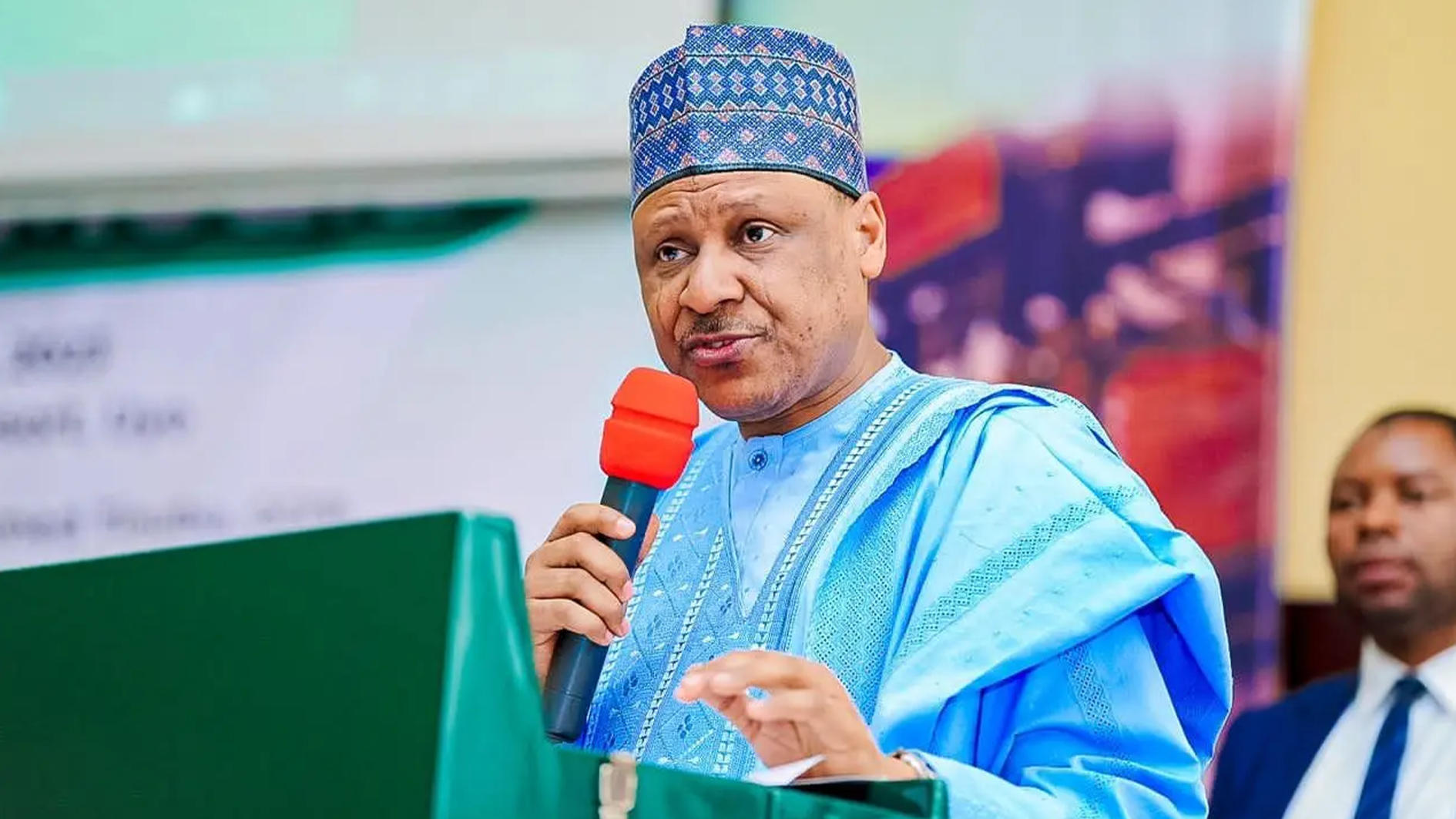
The Minister of Information and National Orientation, Mohammed Idris, has said military action alone cannot resolve Nigeria’s security challenges, stressing the need for stronger collaboration among security agencies, government institutions, communities and citizens.
Idris spoke on Thursday in Abuja when the Special Adviser to the President on Homeland Security, Major-General Adeyinka Famadewa (rtd.), paid a courtesy visit to the Ministry of Information and National Orientation.
He said peace and security were fundamental to national development, noting that the country’s complex security challenges required a coordinated response involving both security forces and civilians.
“You cannot shoot yourself out of this problem. Security requires collaboration between the security agencies, the armed forces and the general public,” Idris said.
The minister said government at all levels, communities, the media and citizens had important roles to play in strengthening national security, particularly through intelligence sharing, responsible communication and community engagement.
He also identified fake news, misinformation and disinformation as emerging security threats, warning that false information could undermine public confidence and complicate efforts by security agencies to manage crises.

Idris said agencies under the ministry, particularly the National Orientation Agency, could help strengthen community resilience, promote responsible citizenship and ensure Nigerians received accurate and timely information.
His position aligns with the Federal Government’s broader shift towards an intelligence-led and coordinated approach to counter-terrorism.
The National Counter Terrorism Centre’s Strategic Plan 2025–2030 emphasises stronger intelligence, inter-agency cooperation and measures beyond purely kinetic operations.
Idris had also stressed the need for a comprehensive response at a national security briefing in June, saying intelligence gathering, aerial surveillance, community engagement and other measures were being deployed alongside military operations.
Famadewa, in his remarks, said the visit was aimed at establishing a stronger working relationship between his office and the ministry, particularly in the areas of public education and strategic communication.
He said information had become an important component of modern homeland security, especially in dealing with asymmetric threats and shaping public understanding during security crises.
“Information is key in asymmetric warfare. The first person to speak wins, and we cannot sit back and allow others to shape perception for us,” Famadewa said.
He noted that his office would focus on strengthening intelligence and surveillance, border security, threat identification and protocols for reporting and responding to security crises.

