 Follow Us on Google News
 Follow Us on Google Discover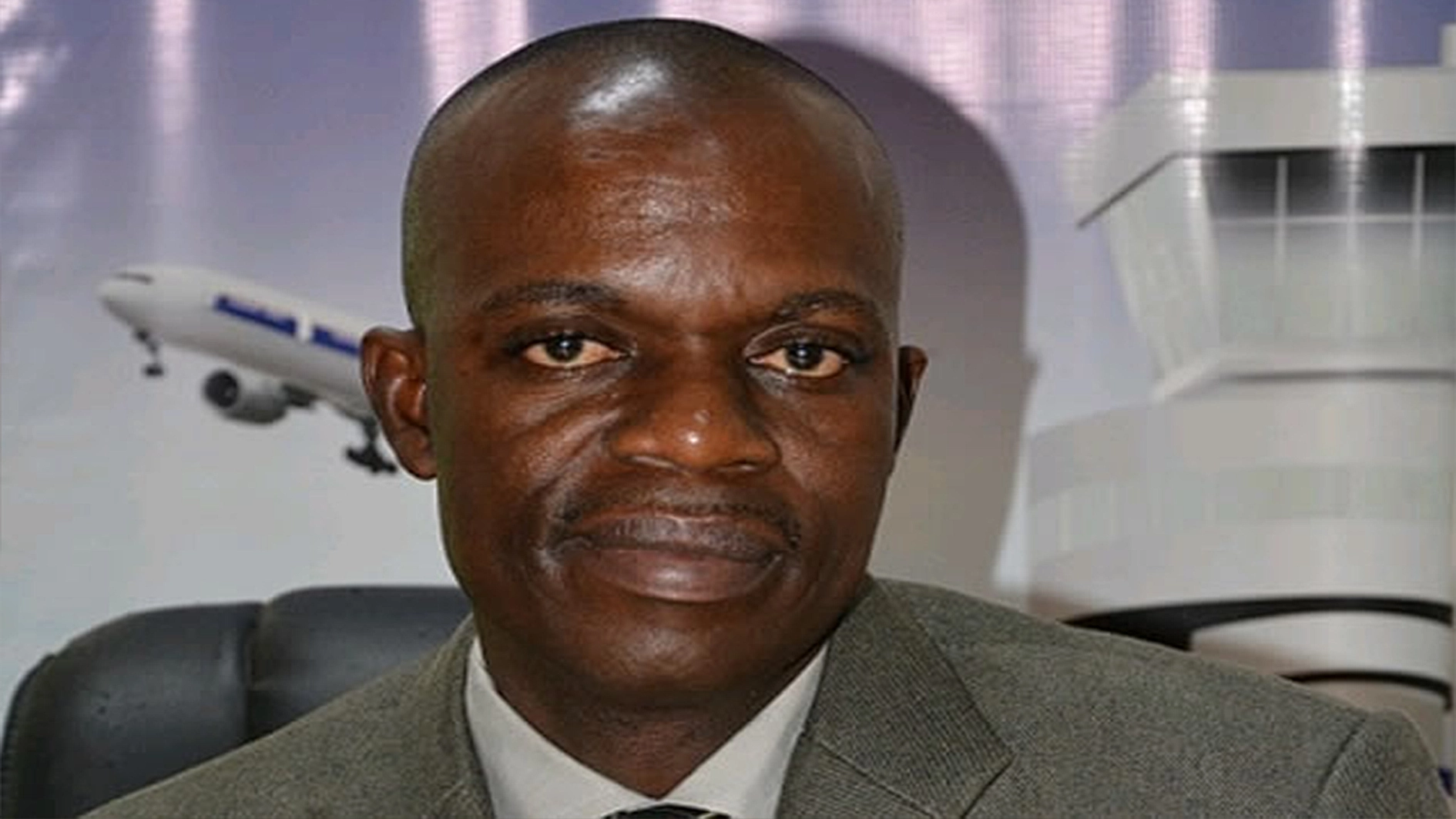
The former General Manager, Public Affairs, Nigeria Civil Aviation Authority (NCAA), Sam Adurogboye, has shed light on why Nigeria has yet to attract the physical presence of giant aircraft manufacturers despite its huge population and growing airline market.
Most Nigerian airlines operate Boeing and Airbus aircraft, two of the world’s dominant commercial aircraft manufacturers, yet none of these companies has set up offices in Nigeria despite the efforts of the Federal government.
Speaking with The Guardian in Lagos, Adurogboye said the lack of presence was denying Nigeria the opportunities in maintenance, employment and technology transfer.
Adurogboye called on the Federal government to review its aviation policies to require aircraft manufacturers seeking to do business in the country to establish a local physical presence.
According to him, Nigeria has one of the most viable aviation markets in Africa, with a population of more than 200 million, about 31 functional airlines, and 36 airports, five of which are open to international operations.
He declared that the size of the market and the number of aircraft operated by Nigerian airlines should ordinarily make the country an attractive destination for the world’s major aircraft manufacturers.

He specifically pointed to Air Peace, which operates several Boeing aircraft, including the B737-700, B737-800, B777-200ER and B777-300 series.
Other Nigerian airlines operating Boeing aircraft, he said, included Max Air, United Nigeria Airlines, Allied Air Cargo, Azman Air, Overland Airways and Ibom Air.
On the Airbus side, Adurogboye said Air Peace had several Airbus aircraft, including the A320-200 series, while Ibom Air and United Nigeria Airlines also operate Airbus A320 aircraft.
He wondered why manufacturers whose products have a substantial presence in Nigeria’s commercial aviation market have not maintained a sustained physical presence in the country.
He added: “For a country that has the above figure of Boeing products and Airbus in its country, not having the manufacturers’ presence in this land over the years leaves much to be desired.
Adurogboye argued that Nigeria should not allow security concerns to become a permanent explanation for the absence of major aviation manufacturers.
He pointed out that while insecurity remains a challenge that must be addressed, countries around the world faced different forms of security challenges and still succeeded in attracting major international companies.
He recalled that Nigeria once recorded a direct presence of an aircraft manufacturer when the then Director-General of the NCAA, Dr Harold Demuren, facilitated the opening of an office at the international wing of the Murtala Muhammed Airport (MMA), Lagos.
But, he regretted that the company quit the country a few months after Demuren left office.
He noted further that the absence of aircraft manufacturers in Nigeria had implications beyond corporate representation.
He said a local presence by manufacturers could help address some of the technical challenges confronting Nigerian airlines, while reducing the amount of foreign exchange operators spend taking aircraft, components and technical problems outside the country.
Aviation operators have, for years, identified aircraft maintenance, repair and overhaul (MRO) as one of the industry’s major challenges as the country’s airlines regularly send their equipment and components abroad for heavy maintenance and other specialised technical services.
The operators also spend billions of dollars on aircraft maintenance abroad each year, contributing to pressure on the country’s scarce foreign exchange reserves and increasing the cost of operating airlines.
Adurogboye argued that the establishment of manufacturer-backed maintenance facilities or technical support centres in Nigeria could help to reverse the situation.
“The sooner the government starts reviewing the statutes, the better it will be for establishing requirements for aircraft manufacturers to maintain a physical presence in Nigeria if they wish to continue doing business here. Supporting local interests is the right approach. You can’t go wrong with that,” he said.

